The best cat bed for your home depends less on a “calming” label than on where your cat already chooses to sleep. A cat that hides in boxes may take to a cave; one that sprawls on the sofa may want an open pad. Check the usable sleeping area, cleaning method and mounting point before buying. A good bed in the wrong location can still be ignored.
Our best overall starting point is the Bedsure 44cm cat cave for a cat that likes cover: it offers shelter and a removable cushion without powered heat. For a cat that dislikes roofs, choose the Bedsure donut instead. The radiator, self-warming, electric and window options each solve a more specific problem—and each has a fit or safety check that matters more than its star rating.
Our top picks

Bedsure 44cm cat cave
Best enclosed bed
A sheltered place with a removable cushion. Check the inner sleeping space, not just the outer 44cm footprint.
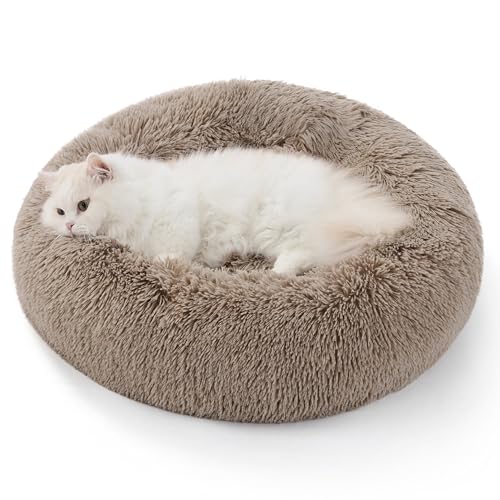
Bedsure 50cm donut bed
Best open nest
Soft raised sides without a roof. The centre is smaller than the 50cm outside diameter.
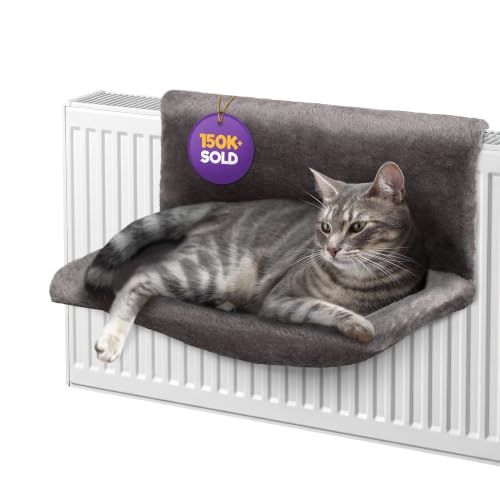
Petlicity grey radiator hammock
Best radiator bed
Washable cover on a metal frame; listed for cats up to 5kg. Check radiator shape, bracket clearance and your cat’s weight.

K&H self-warming pet pad
Best unpowered warmth
A thermal pad for an existing favourite sleeping place. It reflects body heat; it does not generate heat by itself.
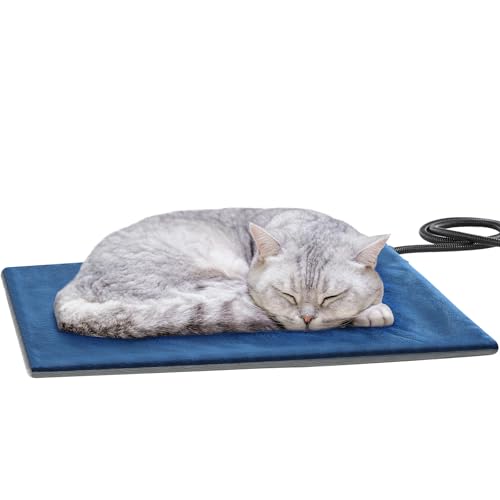
pecute small electric heat pad
Best powered warmth
32 × 40cm pet pad for a suitable existing bed. Inspect the cable and allow an unheated escape area.

CATISM foldable window hammock
Best window perch
A 50 × 38cm elevated resting platform. Only buy if you have suitable smooth glass and can check suction regularly.
In this guide
- Cat beds compared
- The six beds in detail
- Choose the shape your cat already prefers
- Warmth: radiator, self-warming or electric?
- Size, mounting and cleaning checks
- Where to put a new bed
- How we chose
- The bottom line
- Frequently Asked Questions
Cat beds compared
| Bed | Type and size | Best for | Before you buy |
|---|---|---|---|
| Bedsure 44cm cave | Enclosed; 44 × 44cm outer size | Cats that hide to rest | Confirm inner room and cushion care |
| Bedsure 50cm donut | Open nest; 50cm outer diameter | Cats that curl up in view | Check usable centre width |
| Petlicity radiator hammock | Hanging bed; up to 5kg stated limit | Cats drawn to a suitable radiator | Measure radiator and cat |
| K&H self-warming pad | Unpowered thermal mat; 53.3 × 43.18cm | Adding warmth to a favourite spot | Needs your cat’s body heat |
| pecute small electric pad | Powered pad; 32 × 40cm | A controlled pet heat source | Cable, instructions and cool exit |
| CATISM window hammock | Suction-mounted; 50 × 38cm | Cats that watch from windows | Smooth glass and secure mounting |
If you are unsure which shape to try, put a familiar blanket in a cardboard box and another on an open chair or shelf for a few days. Notice which place your cat chooses. Cats Protection’s bed advice also puts location, warmth and privacy ahead of novelty.
The six beds in detail
Bedsure 44cm cat cave: A sheltered, washable starting point
The Bedsure cave is a better first choice for a cat that already settles under furniture or inside boxes than for one that sleeps fully stretched out. The linked 44 × 44cm version has a removable cushion; a removable insert is useful because the sleeping surface is what needs cleaning most often. Put it in a quiet familiar place and let the cat investigate without forcing them inside.
Watch out for: The quoted 44cm is an outside dimension, not a promise that a large cat can turn around comfortably. Check the entrance and inner floor dimensions on the current product details.
Bedsure 50cm donut bed: A nest without shutting out the room
The 50cm Bedsure donut gives a soft raised rim for a cat that curls up but still wants to see what is happening. It is an easier match for an open-bed sleeper than an igloo. A fluffy rim may also invite a cat to rest its chin on it, but it is not a treatment for anxiety; the cat’s own preference and a calm location remain the deciding factors.
Watch out for: The usable centre is smaller than 50cm. Check laundering instructions for the exact bed and whether the whole bed fits your washing machine.
Petlicity grey radiator hammock: Warmth and height when the radiator fits
This Petlicity hammock hangs from a suitable radiator and has a removable faux-fur cover. It combines a raised perch with warmth while the heating is on, but it is not a year-round heated bed. The linked grey variant states a 5kg maximum, so weigh your cat rather than using breed as a shortcut.
Watch out for: Check the hook depth, radiator stability and clearance from controls or pipes. Do not install it on a towel rail or an incompatible radiator, or let the cat lie against a hot metal surface.
K&H self-warming pet pad: Add warmth to a bed your cat already likes
The K&H thermal pad is a flexible choice if your cat has already claimed a sofa corner, basket or carrier. The linked mat measures about 53 × 43cm and uses a reflective layer to retain some of the cat’s body heat. There is no plug or active temperature control, making it simpler to place than an electric pad.
Watch out for: It will not feel heated when empty. Keep it dry and follow the exact care label; a pad is not a substitute for a thick, accessible bed for a cat with mobility difficulties.
pecute small electric heat pad: Powered heat for a suitable existing bed
The small pecute pad is 32 × 40cm and provides powered warmth. Place its covered surface in a suitable resting spot exactly as the maker instructs, with room for the cat to move completely away from the heat. Inspect the cable and check the cat and pad regularly during use.
Watch out for: Do not trap the pad under heavy bedding or use it if the cable is damaged. Cats with reduced mobility or sensation need veterinary advice on heat use and closer monitoring; avoid a human heating pad.
CATISM foldable window hammock: A perch for a window-loving cat
The CATISM hammock is a 50 × 38cm window perch with suction-cup mounting and hand-washable fabric. It makes sense for a cat that already watches from a windowsill, provided the glass is smooth and there is safe room to jump up and down. The platform folds away when not in use; follow the maker’s instructions before using the window itself.
Watch out for: The stated maximum is not a substitute for testing the installation. Clean glass and cups, fit them exactly as instructed, and check their grip regularly; avoid damaged or unsuitable glazing.
Choose the shape your cat already prefers
Covered, open or raised?
Watch the cat’s existing choices. A box or tucked-away nook suggests a cave; a sofa cushion or broad windowsill suggests an open bed; a high perch suggests elevation matters. Cats Protection notes that cats rotate their sleeping spots, so no new bed can guarantee constant use. Keep an alternative resting place available rather than trying to make one purchase do everything.
Access matters for older cats
An older cat may still seek warmth but find a high window perch or deep cave entrance harder to reach. International Cat Care’s home guide recommends soft beds in quiet, accessible, draught-free spots for cats with joint or mobility problems, and warns against direct contact with heat sources. A low open bed or familiar cushion may be more useful than the highest perch. If a change in sleeping habits comes with pain or reluctance to jump, speak to a vet.
Warmth: radiator, self-warming or electric?
Three different warmth mechanisms
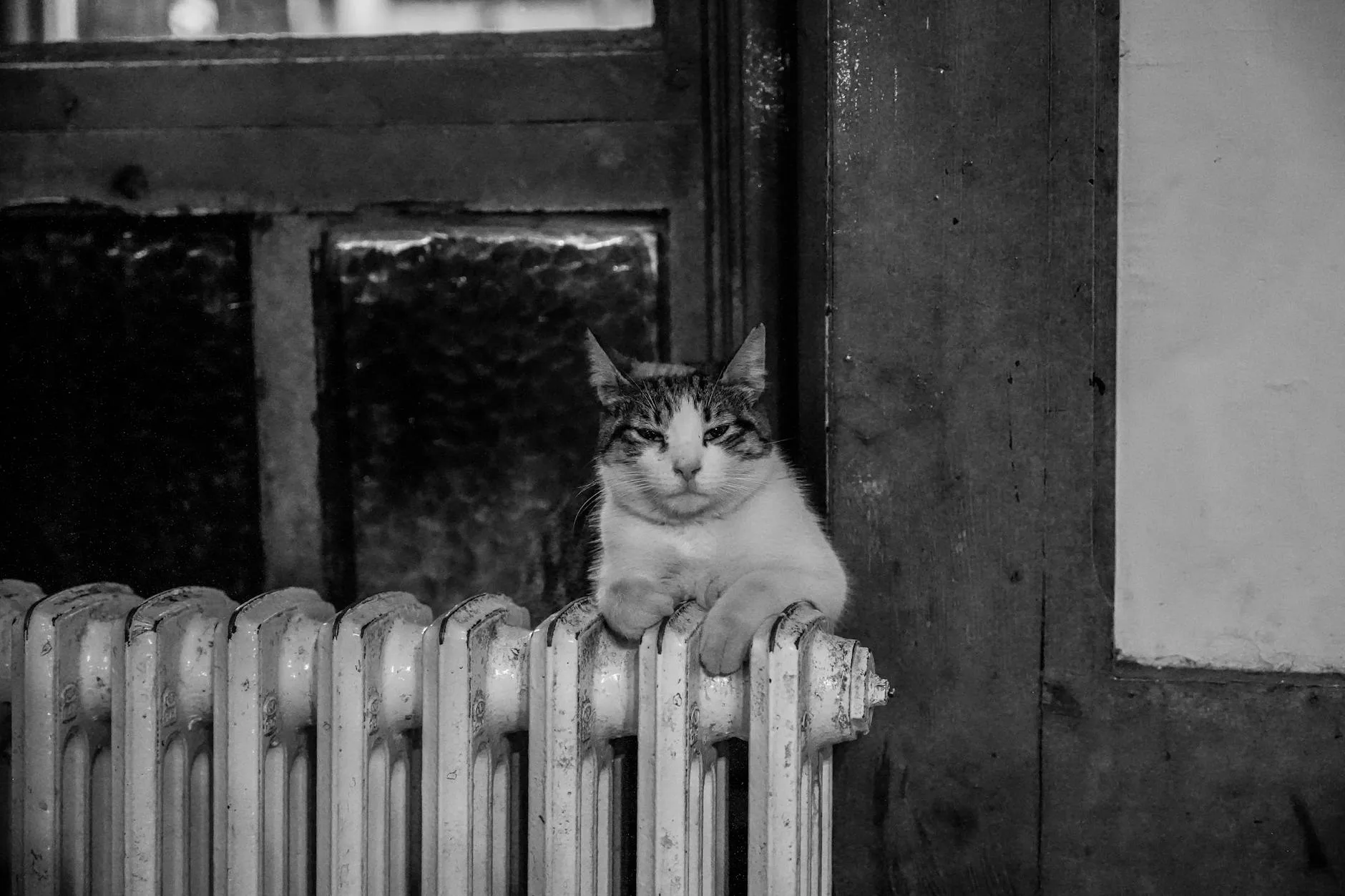
- Radiator hammock: warm only while the heating is on and only if the bracket and weight limit suit the radiator and cat.
- Self-warming pad: reflects some body heat without a plug; it does not make heat when empty.
- Electric pet pad: provides powered warmth, but needs its own instructions, sound cable and a clear unheated area where the cat can move away.
For an older or ill cat, comfort matters more than a hotter surface. Blue Cross advises padding heat sources to avoid burns for sick cats. Never use a human electric blanket as an improvised pet bed. If the cat cannot easily leave the warm surface, ask your vet about an appropriate setup before relying on powered heat.
Size, mounting and cleaning checks
Measure the sleeping area
Compare the inside of a cave or donut with your cat’s usual curled or stretched posture, not only the outside number in a product title. For the radiator hammock, check the cat’s weight against the exact product limit and inspect the support after fitting. For a window hammock, confirm the pane is smooth and sound, follow the mounting instructions and recheck the suction before your cat uses it. A high claimed load rating does not make a poor installation safe.
Check what you can actually wash
Removable cushions, liners and covers are convenient, but “washable” does not mean every component can go through a hot machine cycle. Read the exact care label before washing. If fleas are present, follow veterinary treatment advice for the animal as well as cleaning resting areas; our cat flea treatment guide explains the broader decision. A bed with a non-removable shell may require wiping or spot-cleaning even when its cushion is machine-washable.
Where to put a new bed
Start where your cat already naps
Place the bed near a favourite resting point, away from the litter tray and busy walkways. Cats Protection recommends a warm, quiet location and some privacy. Move a familiar blanket onto the bed to make it smell less new; leave your cat free to choose it. Our cat-bed choosing guide covers the behaviour clues in more detail. For a nervous newcomer, keep several hiding and resting options available rather than forcing interaction; see our new-cat settling guide.
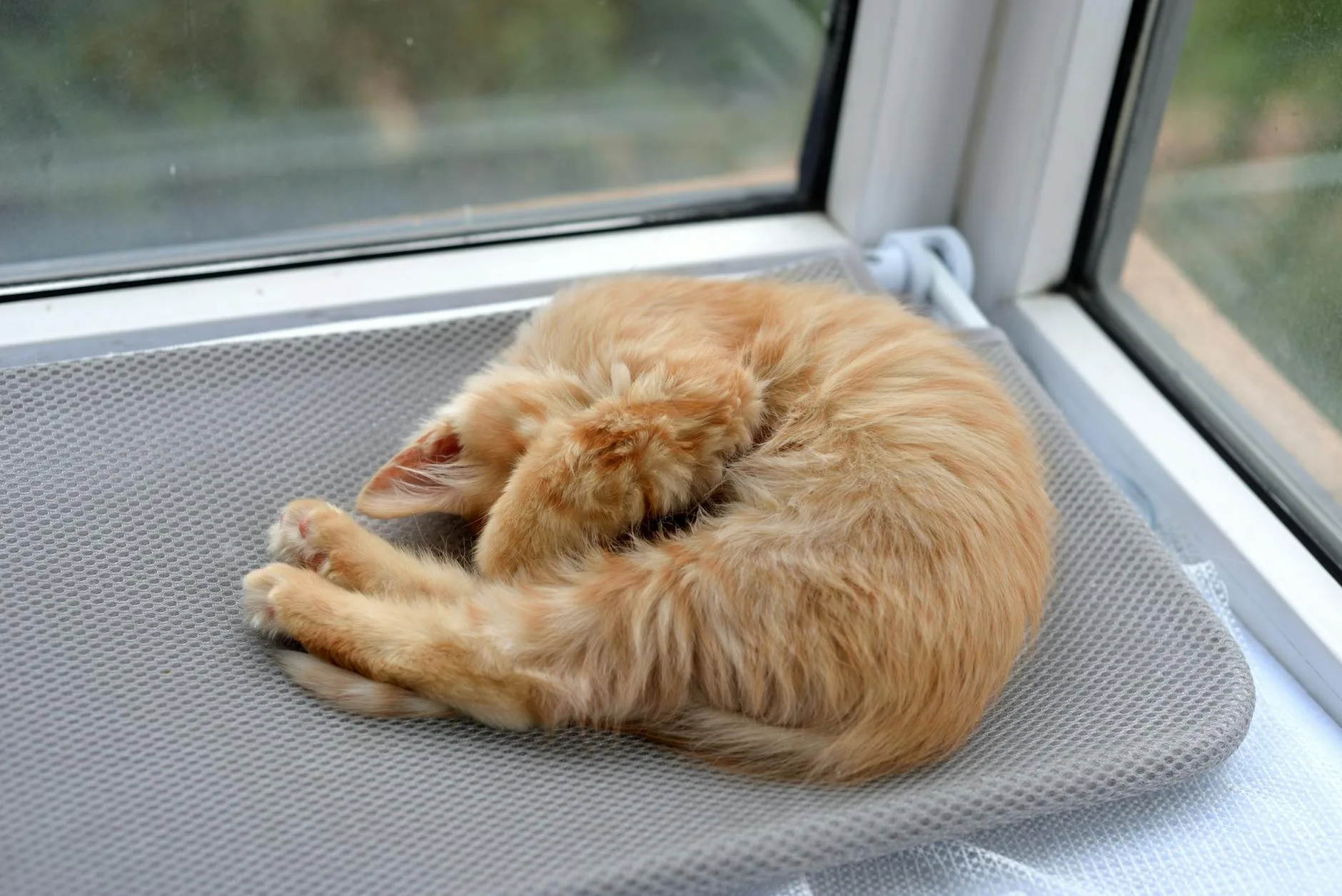
Offer choice in a multi-cat home
Put resting spots in different rooms or at different heights so one cat cannot block every comfortable place. A single enclosed cave may suit one cat yet create competition if another guards its entrance. Open resting surfaces and quiet elevated places give cats other choices. A scratching post near a preferred resting area can also serve the space without crowding the bed.
How we chose
We compared the exact bed types by the decisions that affect everyday use: sleeping shape, usable dimensions, cleaning, installation, warmth source and the cat’s ability to leave a heated or raised spot safely. The product details establish the linked sizes and configurations; the cat-welfare guidance informs placement and access. We have not carried out a long-term wear, wash or heat test of these beds, so we do not promise that one will appeal to every cat.
The bottom line
For a cat that seeks cover, start with the Bedsure cave; for a cat that sleeps in view, the Bedsure donut is the better match. Choose the Petlicity hammock only after checking radiator fit and the 5kg limit. The K&H pad adds unpowered warmth to an existing spot; the pecute pad adds electric warmth with cable and monitoring considerations. The CATISM perch is for a cat that likes the window and a home with suitable glass.
The easiest first test is to put a familiar blanket in a box or on a favourite chair. If that tells you which shape your cat prefers, you can buy the bed that actually solves a problem rather than the one with the fluffiest promise.
Frequently Asked Questions
What type of cat bed is best?
Match the bed to where your cat already rests. A cave suits a cat that hides, an open nest suits a cat that curls up in view, and a perch suits one that chooses height. Location and accessible size matter as much as type.
Why does my cat ignore a new bed?
The shape, scent or location may not suit them. Put a familiar blanket on it and try a quiet spot near an existing favourite place. Leave other sleeping choices available and do not force the cat into it.
Are radiator cat beds safe?
They need a compatible radiator, secure brackets and a weight limit above your cat’s weight. Keep the cat away from direct contact with hot metal and check the fitting regularly.
Is a self-warming cat bed the same as an electric one?
No. A self-warming pad reflects some of the cat’s body heat and needs no electricity. An electric pet pad supplies powered heat and requires a sound cable, correct setup and space for the cat to move away.
What bed is suitable for an older cat?
Choose a soft bed in a quiet, warm and easily accessible place. Avoid a high perch if jumping is difficult, and do not let the cat lie against a hot surface. Ask a vet if pain or mobility has changed.
How do I choose the right cat-bed size?
Compare the usable inside area with the way your cat normally sleeps. The outer diameter of a cave or donut includes its walls; check the inner floor and entrance as well as the number in the product title.