You’re in Pets at Home, your new puppy is losing its mind at the squeaky toy display, and you’re standing in front of a wall of harnesses and collars trying to make a decision while a Labrador in aisle three barks at its own reflection. Collar or harness? The collar is cheaper and simpler. The harness looks more comfortable but comes with buckles, straps, and an instruction booklet that suggests you’ll need an engineering degree to get it on a wriggling spaniel.
This is one of those decisions every dog owner faces, and the answer isn’t one-size-fits-all. Some dogs are better in collars. Some need harnesses. Some benefit from both at different times. And the breed, size, age, and walking habits of your specific dog all influence which option makes more sense.
Here’s how to work it out — plus specific products and prices for the UK market, because “available on Amazon” isn’t helpful when you want to know what actual thing to buy.
The Case for Collars
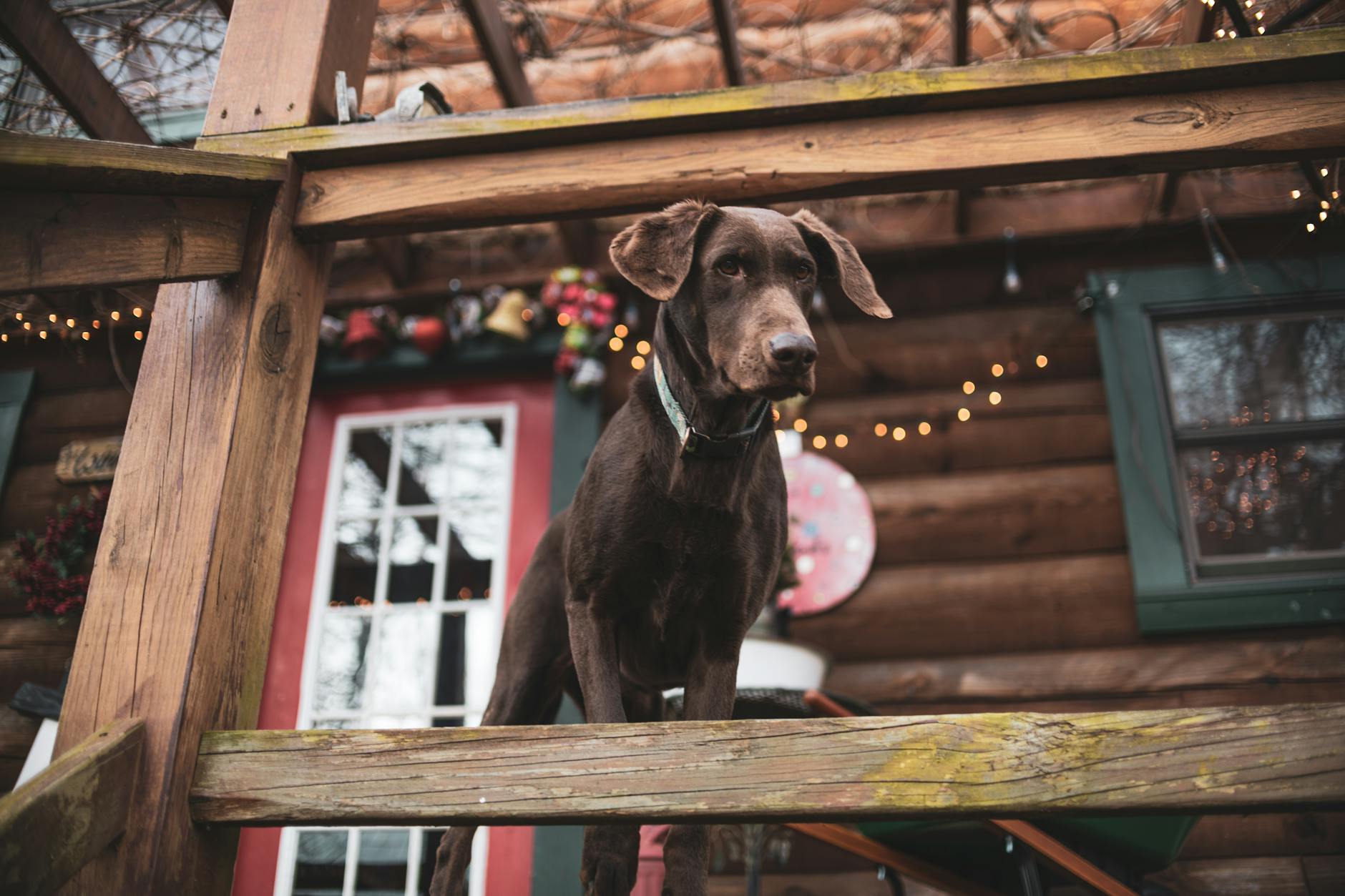
Collars have been the default for hundreds of years, and there are good reasons they’ve stuck around.
When a Collar Works Well
- Dogs that walk calmly on a loose lead. If your dog ambles beside you without pulling, a collar attached to a lead does the job. There’s no mechanical advantage to a harness if the dog isn’t generating force against it.
- For carrying ID tags. Every dog in the UK must wear a collar with an ID tag in public — that’s the law under the Control of Dogs Order 1992. The tag needs your name and address (a phone number is sensible too, though not legally required). Even if you walk your dog on a harness, they still need a collar with a tag.
- Quick on and off. A collar lives on the dog. You clip the lead on, walk out the door. No fiddling with chest straps or leg holes. For a 6am January walk in the rain, this simplicity is worth more than you’d think.
- Lightweight and unobtrusive. A well-fitted collar weighs almost nothing and doesn’t restrict movement. Your dog can run, play, swim, and roll around without straps bunching up or getting in the way.
When a Collar Is a Bad Idea
- Pulling dogs. When a dog pulls on a collar, all the force concentrates on the neck. Over time, this can cause tracheal damage, particularly in smaller breeds. One study published in the Journal of the American Animal Hospital Association found that sustained collar pressure can increase intraocular pressure too, which is a concern for breeds prone to eye problems (pugs, bulldogs, shih tzus).
- Brachycephalic (flat-faced) breeds. Pugs, French Bulldogs, English Bulldogs, Boston Terriers, and similar breeds already have compromised airways. A collar pressing on the throat — even from normal lead tension — can make breathing harder. Harnesses are strongly recommended for these breeds.
- Dogs with neck or spinal issues. Older dogs with arthritis in the cervical spine, breeds prone to intervertebral disc disease (dachshunds, corgis), or any dog recovering from a neck injury should avoid collar pressure.
- Escape artists. Some dogs — particularly sighthounds like greyhounds and whippets — have necks that are as wide as their heads. They can slip out of a standard collar with alarming ease. A martingale collar helps but a well-fitted harness is more secure.
Types of Collar
- Flat collar: The standard. Buckle or clip fastening, flat webbing or leather. This is what most dogs wear every day. About £5-20 from most pet shops.
- Martingale collar: A limited-slip design that tightens slightly when the dog pulls but has a maximum tightness so it can’t choke. Excellent for sighthounds and dogs that slip flat collars. About £8-15. The Company of Animals Halti Training Collar (about £8-12) is a good example.
- Head collar/halter: A strap around the muzzle and behind the ears that redirects the dog’s head when they pull. Not a collar in the traditional sense — more of a training tool. The Halti Headcollar (about £8-14) and the Gentle Leader (about £8-12) are the main options. Effective for pulling but some dogs hate the muzzle strap and need careful introduction.
What to Avoid
- Choke chains. These tighten without limit when the dog pulls and can cause serious injury. Banned from many training clubs and increasingly frowned upon by vets and behaviourists. There’s no training situation where a choke chain is the best option.
- Prong/pinch collars. Metal links with inward-facing prongs that press into the neck when tension is applied. Controversial and banned in some countries. The Kennel Club and most modern trainers advise against them. If your dog’s pulling is severe enough that someone suggests a prong collar, invest in proper training instead.
- Shock collars/e-collars. Already banned in Wales and Scotland. While still technically legal in England, they’re widely condemned by veterinary and behavioural organisations. Don’t use them.
The Case for Harnesses
Harnesses distribute force across the chest and shoulders rather than concentrating it on the neck. This makes them safer and more comfortable for many dogs, particularly those that pull.
When a Harness Works Well
- Dogs that pull. This is the main reason most people switch to a harness. A pulling dog in a collar is putting all that force through their throat. A pulling dog in a harness is spreading it across their chest and ribcage, which is far less likely to cause injury. A front-clip harness also redirects the dog’s momentum when they pull, making it easier for you to control them.
- Flat-faced breeds. As mentioned above, brachycephalic breeds should always be walked on a harness. The reduced pressure on the airway makes a real difference to their comfort and breathing.
- Small dogs. Small breeds have delicate tracheas. Chihuahuas, Yorkshire Terriers, Pomeranians, and similar toy breeds are prone to tracheal collapse, and collar pressure can contribute to this. A harness is safer.
- Puppies in training. A harness gives you more control over a puppy that hasn’t learned lead manners yet, without any risk of neck damage during the yanking, lunging, and sudden direction changes that characterise most puppy walks.
- Reactive dogs. If your dog lunges at other dogs, people, cyclists, or squirrels, the sudden force of a lunge in a collar can injure their neck. A harness absorbs that force safely.
- Dogs with health conditions. After surgery, with spinal issues, or in older age, a harness is gentler and gives you a handle (on many designs) to help support them over obstacles or into the car.
Types of Harness
Not all harnesses are created equal, and the type matters.
Back-clip harness: The lead attaches to a ring on the dog’s back, between the shoulder blades. These are the most common type and the easiest to put on. They’re comfortable for the dog but offer no pulling correction — if anything, some dogs pull more in a back-clip harness because the chest pressure feels natural to lean into (think sled dogs).
Best for: Dogs that already walk reasonably well and just need the safety benefit of a harness over a collar. Also good for small dogs where pulling force isn’t a major concern.
Front-clip harness: The lead attaches to a ring on the chest, at the front of the dog’s body. When the dog pulls forward, the front attachment redirects their momentum to the side, which discourages pulling. This is the design most trainers recommend for dogs that pull.
Best for: Pullers. The front clip won’t train your dog not to pull — you still need to work on that — but it makes the pulling easier to manage while you’re teaching them.
Dual-clip harness: Has both front and back attachment points, giving you flexibility. Use the front clip when working on pulling, the back clip for relaxed walks.
Best for: Dogs in training, or when you want one harness that covers all situations.
Step-in harness: The dog steps into two loops on the ground, and you pull the harness up and clip it at the back. These are easier to put on dogs that don’t like things going over their head.
Best for: Dogs that panic when you try to pull a harness over their face.
Norwegian-style harness: A padded chest piece with straps that go around (not between) the front legs. These look comfortable and are popular, but the chest plate can restrict shoulder movement if it sits too far back.
Best for: Short walks and dogs that don’t pull much. Not ideal for active dogs or long-distance walking.
Breed-Specific Recommendations
Flat-Faced Breeds (Pugs, French Bulldogs, Bulldogs, Boston Terriers)
Always use a harness. A well-padded back-clip harness is the safest option. These breeds often don’t pull hard enough to need a front clip, and the priority is keeping all pressure off the airway.
Product pick: The Puppia Soft Harness (about £15-20 from Amazon UK or Pets at Home) is a favourite for flat-faced breeds. It’s lightweight, padded, and the step-in design means nothing goes over the face. Available in dozens of colours and sizes. For a related angle, see our How to Measure Your Dog for a Coat or Harness guide.
Sighthounds (Greyhounds, Whippets, Lurchers)
These dogs have deep chests, narrow waists, and necks that are often the same circumference as their skulls — a recipe for collar escapes. They also have very thin skin that chafes easily under poorly designed harnesses.
Product pick: The Perfect Fit Harness (about £35-45 for the three-piece set, perfectfitharness.co.uk) is made in the UK specifically for sighthound body shapes. It comes in three separate pieces (top, front, girth) that you size independently, so it works with their unique proportions. It’s become something of a cult favourite among greyhound and lurcher owners.
Strong Pullers (Labradors, Staffies, Huskies, German Shepherds)
A front-clip harness gives you the most control without causing harm.
Product pick: The Blue-9 Balance Harness (about £30-40, available from various UK retailers and Amazon UK) is widely recommended by trainers for pulling dogs. It has both front and back clips, adjusts at multiple points for a precise fit, and doesn’t restrict movement. The Julius-K9 IDC Powerharness (about £25-40) is popular too — it’s built like a tank with a top handle, though it’s a back-clip design so it won’t help with pulling correction.
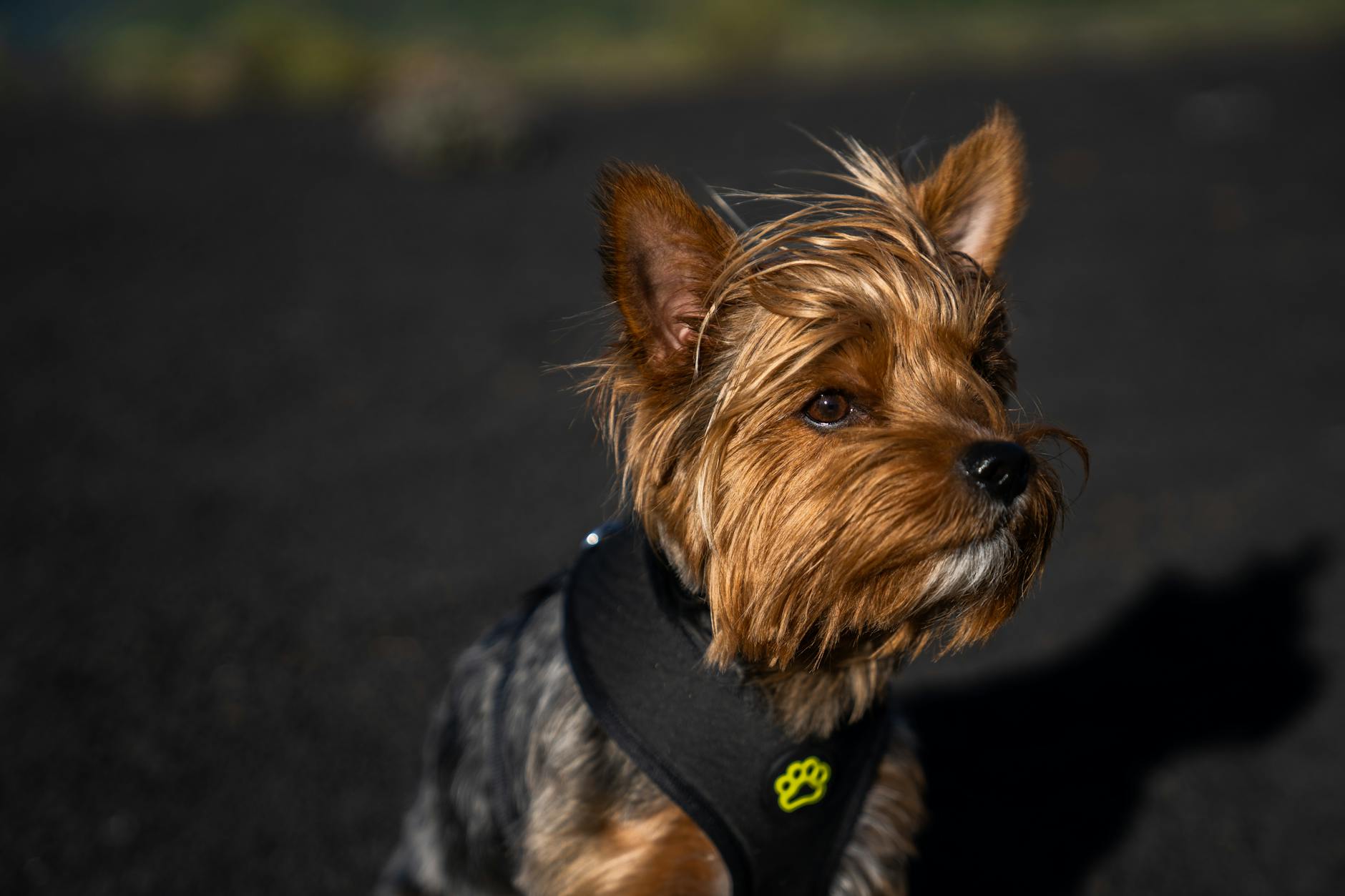
Small Dogs (Chihuahuas, Yorkies, Pomeranians, Toy Poodles)
Protect that trachea. A lightweight, padded harness is essential.
Product pick: The Puppia Soft Harness (about £12-18 in the smallest sizes) works well here too. The Gooby Simple Step-In Harness (about £10-15, Amazon UK) is even simpler — minimal straps, minimal fuss, and a fleece-lined chest piece that small dogs seem to find comfortable. Our Best Puppy Food 2026 UK: From Weaning to 12 Months guide is useful alongside this.
Medium Dogs That Walk Well (Spaniels, Border Collies, Beagles)
If they’re not pulling, a collar is fine for walks. Keep a harness for the car (a harness with a seatbelt loop is safer than a collar in a vehicle).
Product pick: For a good all-round collar, the Ancol Heritage Leather Collar (about £8-15, widely available in UK pet shops) is excellent — soft, durable, and gets better with age. For a car harness, the RAC Dog Car Harness (about £10-15, Halfords or Amazon UK) is crash-tested and fits most medium breeds.
How to Fit a Harness Properly
A poorly fitted harness is worse than useless — it chafes, restricts movement, and can even cause the same problems it’s supposed to prevent.
The Two-Finger Rule
You should be able to slide two fingers (flat, not stacked) between any strap and your dog’s body. Tighter than that causes rubbing. Looser than that allows the dog to wriggle free or shifts the harness into the wrong position.
Check Points
- Chest strap: Should sit on the breastbone, not pressing into the throat or sliding down onto the legs.
- Girth strap: Should sit behind the front legs, around the ribcage. If it’s too far forward, it restricts shoulder movement. Too far back, it slides around.
- Top connection: Should sit between the shoulder blades, not up on the neck.
- Front clip (if fitted): Should be centred on the chest, roughly level with the point of the breastbone.
Signs of Poor Fit
- Chafing or hair loss under the straps — too tight or wrong material
- The harness rotates to one side when the dog walks — usually too loose
- The dog’s gait changes when wearing the harness — probably restricting shoulder movement
- Red marks on the skin when you remove the harness — too tight
- The dog can back out of it — too loose around the chest
The Cost of Getting It Right (and Wrong)
In the UK, a decent collar costs about £5-20 and a good harness about £15-45. That’s a small price for something your dog wears every day and that directly affects their comfort, health, and safety.
Getting it wrong can cost a lot more — much like neglecting dental care, the upfront investment in proper equipment pays for itself. A dog that develops tracheal problems from collar pressure might need veterinary treatment costing hundreds of pounds. A reactive dog that slips its collar in a park could cause an incident that leads to a complaint under the Dangerous Dogs Act. And replacing cheap equipment that breaks or wears out every few months costs more in the long run than buying one good piece. We cover a similar decision in How to Keep Your Dog Cool in Summer.
What I’d Buy
If I had a new dog tomorrow, I’d buy:
- A flat leather collar (about £10-15) for ID tags and everyday wear around the house
- A front-clip harness (about £25-35) for walks, chosen to suit the dog’s breed and body shape
- A separate car harness or seatbelt attachment (about £10-15) for travel
Total cost: about £45-65. That’s the setup most dogs need, and it covers every situation.
Collar and Harness Together: The Best Approach
Here’s the thing that often gets lost in the “collar vs harness” debate: it’s not either/or. Most dog owners end up using both.
The collar stays on the dog most of the time, carrying the legally required ID tag. It’s also what you grab when you need to quickly restrain the dog indoors — stopping them from bolting through an open door, steering them away from the Sunday roast on the counter, that sort of thing.
The harness goes on for walks. It’s more comfortable for the dog under lead tension, gives you better control, and is safer in every scenario where the dog might pull, lunge, or jolt against the lead.
Some people clip the lead to both simultaneously using a double-ended training lead (about £10-15). The lead has a clip at each end — one attaches to the collar, one to the front clip on the harness. This gives you maximum control for training purposes.
A Note on Training
Neither a collar nor a harness will train your dog to walk nicely. They’re equipment, not teachers. A harness manages pulling; it doesn’t fix it. A collar gives the dog feedback about direction; it doesn’t teach lead manners.
If your dog pulls, invest in some training alongside the right equipment. From our experience working with rescue dogs and new puppy owners, a few sessions with a qualified trainer (look for IMDT, APDT, or KCAI accreditation in the UK) costs about £40-80 per hour and will do more for your walking experience than any piece of equipment. Many trainers offer group classes for £80-150 for a 6-week course, which is excellent value.
In the meantime, use a front-clip harness to make walks manageable and safe for both of you. Stop walking when the dog pulls and only move forward when the lead is loose. It takes patience — weeks or months — but it works.
Final Thoughts
For most dogs in the UK, the answer to “harness or collar?” is “both.” Pairing the right walking gear with a properly supportive dog bed covers the two biggest comfort essentials. A collar for ID and around the house, a harness for walks. Choose the harness type based on your dog — front-clip for pullers, back-clip for calm walkers, and always properly fitted.
If your dog is flat-faced, small, elderly, or has any neck or breathing issues, skip the collar for walks entirely and use a harness. It’s safer, more comfortable, and vets will tell you the same thing.
Spend £25-40 on a decent harness and take ten minutes to fit it properly. It’s one of the simplest things you can do to make walks more enjoyable for your dog and less stressful for you. And when you’re standing in Pets at Home staring at the wall of options while your puppy tries to eat a display basket, just remember: front clip for pullers, back clip for everyone else, two fingers under every strap. That’s 90% of what you need to know.
Frequently Asked Questions
How do I pick the right size pet product? Measure your pet properly and compare it with the brand’s size chart. For harnesses, check neck and chest fit rather than relying on breed labels.
Is it worth buying premium pet gear? For daily-use items such as beds, harnesses and grooming tools, better materials often last longer. For occasional items, mid-range is usually fine.
What safety checks matter most? Check for secure stitching, chew-resistant parts where relevant, washable materials and no small pieces that could come loose.
What should I check first with How to Choose a Dog Harness vs Collar? Start with the real use case, then check size, compatibility, running costs and maintenance. A product that looks good on paper can still be the wrong fit if it does not suit the room, routine or budget.
How do I avoid wasting money on How to Choose a Dog Harness vs Collar? Avoid buying on one headline feature alone. Compare the practical details, read the warranty or returns terms, and choose the option that solves your main problem rather than the one with the longest specification list.