Your dog destroyed a brand new rope toy in eleven minutes. The squeaky ball lasted until Tuesday. That “indestructible” rubber bone from Amazon? Three days, tops — chunks of red rubber all over the garden. If this sounds like your weekly routine, you’re not buying the wrong toys, you’re buying toys designed for gentle play being used for demolition work. Outdoor dog toys take more abuse than indoor ones — dirt, rain, UV, and the full force of a bored Labrador with a mission. Choosing well means matching the toy to your dog’s size, play style, and the punishment it’s going to take.
In This Article
- Why Outdoor Toys Fail Faster
- Know Your Dog’s Play Style
- Materials That Survive Outdoors
- Best Outdoor Toys by Type
- Size and Breed Matching
- Toys to Avoid Outdoors
- Safety Checks for Outdoor Toys
- Cleaning and Maintenance
- Where to Buy in the UK
- Frequently Asked Questions
Why Outdoor Toys Fail Faster
Indoor toys live a sheltered life. They sit on a carpet, get a gentle chew during Bake Off, and go back in the basket. Outdoor toys face an entirely different set of challenges that most owners don’t factor in when buying.
UV Degradation
Sunlight breaks down rubber and plastic over weeks. That bright orange ball turns brittle and grey after a summer in the garden. Natural rubber holds up better than synthetic, but nothing is immune. If you leave toys outside permanently, expect them to degrade two to three times faster than the same toy kept indoors.
Water and Mud
Rope toys absorb water and become breeding grounds for mould and bacteria. Tennis balls soak up puddle water and pond scum. Any toy with a fabric component will eventually start to smell unless dried properly between sessions. We’ve seen rope toys disintegrate in weeks during a wet British autumn because they never properly dried out between walks.
Impact Forces
A dog chasing a ball across a field hits it at full sprint. That impact — teeth, jaw force, momentum — is far higher than a gentle indoor chew. Toys need to absorb that energy without splitting, cracking, or shedding pieces. Cheap materials simply can’t handle the repeated shock loading.
Know Your Dog’s Play Style
Before spending money, watch how your dog actually plays. Not all dogs destroy toys the same way, and the right toy for a tugger is completely wrong for a chewer.
Chewers
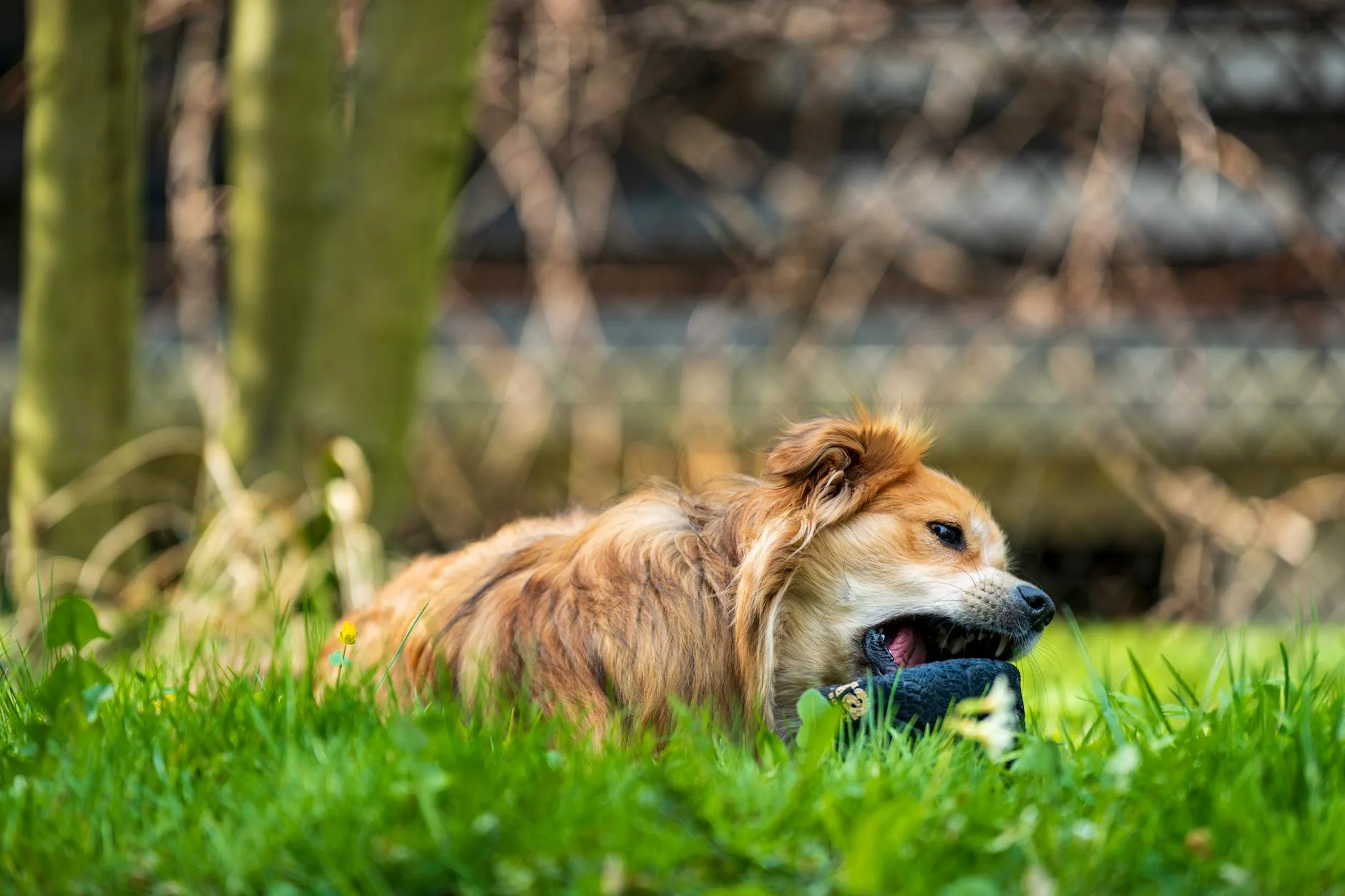
These are the destroyers. They pick up a toy and systematically take it apart. Staffy, Lab, and terrier owners know this pain intimately. Chewers need solid rubber or nylon toys with no weak points — no seams, no squeaker holes, no rope attachments that create a starting point for destruction.
Fetchers
These dogs want to chase and retrieve. The toy needs to fly well, be visible at distance, and survive repeated impacts with the ground. Fetchers are generally easier on toys because they carry rather than chew — but the throws and landings add up.
Tuggers
Tug-of-war dogs need toys with length and some flex. Rope toys and long rubber pulls work well. The stress point is the middle — where your grip meets the dog’s grip — so look for reinforced centre sections.
Shredders
Some dogs just want to pull stuffing out. It’s satisfying for them and expensive for you. With shredders, avoid anything with filling. Flat toys, solid rubber, and unstuffed fabric options survive longer.
Materials That Survive Outdoors
Natural Rubber
The gold standard for outdoor durability. Companies like Kong, West Paw, and Beco use natural rubber compounds that flex under jaw pressure without cracking. Natural rubber also handles UV better than synthetic alternatives. Expect to pay £8-15 for a good natural rubber ball or chew toy.
Thermoplastic Elastomer (TPE)
West Paw’s Zogoflex material is the best-known TPE in the dog toy market. It’s bouncy, floatable, and dishwasher-safe. More importantly, it’s non-toxic and holds up to aggressive chewing better than most natural rubber. About £10-18 depending on the size.
Nylon and Kevlar Blends
Some manufacturers reinforce fabric toys with ballistic nylon or Kevlar-style weaves. These are far tougher than standard plush but still not indestructible — a determined chewer will find the seams. Good for moderate chewers and fetchers. Brands like Tuffy use multiple layers of stitching and reinforced edges.
What to Avoid
- Thin plastic — cracks in cold weather and splinters into sharp fragments
- Standard tennis balls — the felt coating wears down tooth enamel over time, and the rubber shell is easy to crush and choke on
- Cheap squeakers — the squeaker unit inside is the most common choking hazard in dog toys. Once the outer shell is breached, it’s accessible in seconds
- Painted or coated materials — paint flakes off into the dog’s mouth
Best Outdoor Toys by Type
Best for Fetch
- Chuckit Ultra Ball (about £5-8 for a 2-pack from Pets at Home) — high-bounce rubber, thicker walls than a tennis ball, and the orange/blue colour is easier to spot in grass. After months of daily use across several dogs at the local park, these outlast standard tennis balls by a factor of ten at least.
- West Paw Jive (about £10-14 from Amazon UK) — erratic bounce pattern that dogs find endlessly interesting. Zogoflex material, dishwasher-safe, floats. Slightly pricier but nearly indestructible for fetchers.
- Kong Flyer (about £8-12) — soft rubber frisbee that’s gentle on mouths during catches. Regular plastic frisbees can chip teeth; the Kong Flyer flexes on impact.
Best for Chewing
- Kong Classic (about £7-12 depending on size) — the original and still the benchmark. Stuff it with peanut butter or kibble for longer engagement. The black “Extreme” version is rated for the most powerful chewers.
- West Paw Tux (about £12-16) — similar concept to the Kong but with a wider opening that’s easier to stuff and clean. Guaranteed against dog damage by the manufacturer.
- Beco Natural Rubber Bone (about £8-10 from Pets at Home) — vanilla-scented natural rubber that’s tough enough for moderate chewers. Not suitable for extreme chewers but great for most dogs.
Best for Tug
- Tug-E-Nuff Sheepskin Bungee (about £15-20 from tug-e-nuff.co.uk) — used by professional dog trainers. The bungee core absorbs impact so there’s less strain on teeth and your shoulders. Real sheepskin is durable and dogs love the texture.
- Kong Tugger Knots (about £8-12) — internal knotted rope with a plush outer. Tougher than it looks, and the minimal stuffing means less mess when the outer eventually gives way.
Best for Water
- Ruffwear Hydro Plane (about £18-22) — foam-core floating disc that’s easy to spot on water. Soft enough for comfortable catching.
- Chuckit Amphibious Bumper (about £8-12) — floats high, easy to grip, and the textured surface stands up to wet-mouth chewing.
Size and Breed Matching
The Choking Rule
The toy should be large enough that your dog cannot fit the entire thing past their back teeth. If they can compress it fully in their mouth, it’s a choking risk. This is the single most important safety consideration with any dog toy.
Small Dogs (Under 10kg)
Chihuahuas, Jack Russells, Miniature Dachshunds — they need toys scaled to their jaw size. A small Kong Classic (red, size S) or a Chuckit Ultra Ball in the small size. Oversized toys are frustrating rather than fun for small dogs.
Medium Dogs (10-25kg)
Spaniels, Beagles, Staffies — the sweet spot for most toy ranges. Medium Kongs, standard Chuckit balls, and most tug toys will be appropriate. Staffies are an exception within this size range — they chew harder than most dogs twice their weight, so size up and go for extreme durability ratings. Our How to Train a Puppy: The First 8 Weeks at Home guide is useful alongside this.
Large Dogs (25kg+)
Labs, Golden Retrievers, German Shepherds — large or XL sizing across the board. The Kong vs Nylabone vs West Paw comparison covers how the main brands scale for larger dogs.
Giant Breeds (40kg+)
Rottweilers, Mastiffs, Great Danes — limited options here. Kong Extreme in XXL, West Paw Hurley in XL, or heavy-duty rope toys designed for large breeds. Expect to pay more and replace more frequently.
Toys to Avoid Outdoors
Standard Tennis Balls
The yellow felt covering on tennis balls acts like sandpaper on tooth enamel over time. One game of fetch won’t hurt, but daily use over months causes measurable wear. The British Veterinary Association recommends purpose-made dog balls instead. Tennis balls also collapse under strong jaw pressure, creating a suction that can trap the tongue or block the airway.
Sticks
A classic, but vets treat stick injuries constantly. Splintering wood causes mouth lacerations, and dogs running with sticks risk impalement injuries. Rubber stick alternatives (like the Kong SafeStix, about £10) give the same throwing satisfaction without the risk.
Toys with Small Removable Parts
Squeaker buttons, googly eyes, fabric noses — anything glued or stitched onto the surface of a toy will eventually come off. Outdoors, where play is rougher, this happens faster. Small parts are choking hazards and can cause intestinal blockages if swallowed.
Cheap Marketplace Imports
Unbranded toys from Amazon Marketplace or Temu often use non-tested materials. There’s no way to verify what’s in the rubber or dye. For something your dog is putting in their mouth daily, buy from brands that publish their material safety data.
Safety Checks for Outdoor Toys
Before Each Session
- Squeeze the toy firmly — if it’s cracked, brittle, or has developed sharp edges, bin it.
- Check for loose pieces — seams opening, squeaker visible, rope fraying.
- Sniff test — a mouldy or rancid smell means bacteria have set in. Wash or replace.
- Size check — if your dog has grown (puppies especially), the toy might now be too small.
Monthly
- Deep clean — most rubber toys are dishwasher-safe (top rack). Rope toys can go through a washing machine cycle.
- Rotation audit — retire anything showing significant wear. Having three or four toys in rotation extends the life of each one.
Cleaning and Maintenance
Rubber Toys
Hot soapy water and a bottle brush gets into the crevices of Kongs and similar toys. For a deeper clean, run them through the dishwasher without detergent — the heat alone kills most bacteria. After any water play, dry rubber toys thoroughly before storing to prevent mould in textured surfaces.
Rope Toys
Soak in a solution of one part white vinegar to three parts water for 30 minutes, then squeeze out and let dry completely. Some people microwave damp rope toys for 60 seconds to sterilise them — effective, but check for metal components first. Never store wet rope toys in a closed bag or basket.
Fabric and Plush
Machine wash on a gentle cycle at 30°C. Air dry rather than tumble dry — heat can melt synthetic fabrics and warp any rubber components. Treat these like your dog’s laundry because that’s essentially what they are.
Where to Buy in the UK
Best Physical Shops
- Pets at Home — widest in-store range, good for seeing size and feel before buying
- Pet stores in garden centres — increasingly stocking premium brands like West Paw and Beco
- Decathlon — surprisingly good selection of fetch and water toys in their pet section
Best Online
- Amazon UK — largest selection, but stick to branded products from verified sellers
- Tug-E-Nuff (tug-e-nuff.co.uk) — specialist tug toys used by professional trainers
- West Paw direct — sometimes cheaper than Amazon for their Zogoflex range
- Pets at Home online — click and collect is useful for checking size in-store
What to Spend
Budget about £8-15 per toy for something that will last a moderate chewer 2-3 months. Extreme chewers should budget £12-20 per toy. Buying cheap means replacing constantly — spending more upfront almost always works out cheaper over a year.
Frequently Asked Questions
How long should an outdoor dog toy last? A quality rubber toy (Kong, West Paw) typically lasts 3-6 months of regular outdoor use for moderate chewers. Extreme chewers may go through them in 4-8 weeks. Fetch-only toys last longer because they take less jaw pressure. If a toy is lasting less than two weeks, it’s the wrong material for your dog’s chewing strength.
Are tennis balls safe for dogs? For occasional fetch, they’re fine. For daily use, purpose-made dog balls are safer. The felt covering on tennis balls acts like sandpaper on tooth enamel over time, and the rubber shell can collapse under strong jaw pressure, creating a choking risk. Chuckit Ultra Balls are a better alternative at similar cost.
Can I leave dog toys outside overnight? You can, but they’ll degrade faster. UV, moisture, and temperature changes all shorten toy lifespan. Rubber toys handle outdoor storage better than fabric or rope. If you do leave them out, expect to replace them roughly twice as often as toys stored indoors between uses.
What’s the safest material for dog toys? Natural rubber and TPE (thermoplastic elastomer) are generally the safest for chewing toys. They’re non-toxic, flexible enough not to splinter, and durable enough to resist being broken into swallowable pieces. Avoid anything with unknown materials, strong chemical smells, or paint that flakes off.
How often should I replace outdoor dog toys? Check before every play session for cracks, loose pieces, or sharp edges. Replace immediately if the toy is compromised. Even without visible damage, retire rubber toys every 3-6 months and rope toys monthly during wet weather. Fresh toys are also more engaging — dogs get bored of the same toy after weeks.