There is no single best food for dogs and cats. For a healthy medium-sized adult dog, Royal Canin Medium Adult is our dry-food pick; Purina ONE Adult Chicken is the practical dry-food pick for an adult cat. If wet meals suit your pet better, compare Forthglade for dogs and Sheba for cats. Skinner’s Maintenance is the bulk-value alternative for a less active dog. These are complete adult foods, not treatments or universal veterinary endorsements. Start with your animal’s species, life stage and health needs before comparing brands.
Our top 5 picks
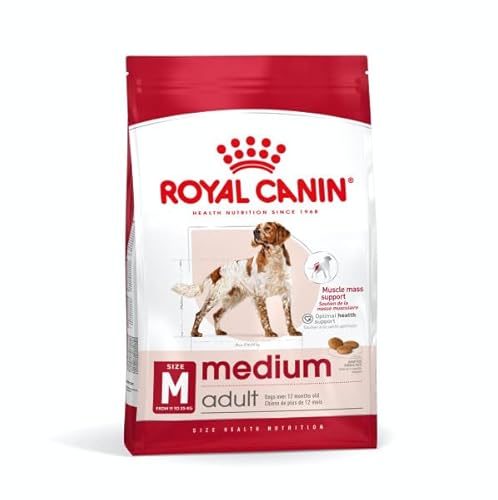
Best dry food for a medium adult dog: Royal Canin Medium Adult 3kg.
A breed-size-specific complete dry food; only for dogs in its stated 11–25kg adult range.

Best bulk value for a less active dog: Skinner’s Field & Trial Maintenance 15kg.
A complete lower-energy recipe in a large bag; check storage space and the feeding rate first.

Best complete wet dog food: Forthglade Chicken with Vegetables 18 × 395g.
Portionable trays for an adult dog that suits wet food, with a much higher feeding weight than kibble.
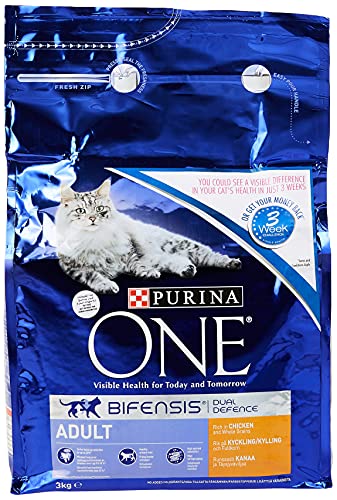
Best adult cat dry food: Purina ONE Adult Chicken 3kg.
A complete dry option with a manageable bag size; provide fresh drinking water.

Best complete wet cat food: Sheba Fine Flakes Poultry 40 × 85g.
A 40-pouch adult multipack for cats that prefer wet meals; compare the daily pouch cost.
In this guide
- Comparison at a glance
- The five foods reviewed
- Which food fits your pet?
- Read the label before buying
- Wet, dry and daily cost
- When to ask your vet
- How we chose
- The bottom line
- Frequently asked questions
Comparison at a glance
| Food | Type | Exact pack | Main trade-off |
|---|---|---|---|
| Royal Canin Medium Adult | Dog · dry | 3kg · medium adults 11–25kg | Not for small dogs, puppies or a clinical diet |
| Skinner’s Maintenance | Dog · dry | 15kg · less active adults | Large bag; check freshness and portion size |
| Forthglade Chicken & Vegetables | Dog · wet | 18 × 395g · adult complete meal | Higher daily feeding weight and storage space |
| Purina ONE Adult Chicken | Cat · dry | 3kg · adult complete food | Dry food does not add much water to the diet |
| Sheba Fine Flakes Poultry | Cat · wet | 40 × 85g · adult complete food | Several pouches may be needed each day |
The packs are not interchangeable: a 15kg dry bag is a different commitment from an 18-tray wet case. Compare the feeding guide for your pet’s weight and body condition, then calculate a daily cost. A low price per kilogram of wet food does not make it cheaper per day than kibble.
The five foods reviewed
1. Royal Canin Medium Adult: dry dog pick
This is a complete dry food for healthy adult dogs weighing 11–25kg. The 3kg pack is easier to try and store than a large sack. It earns the lead dog position because its size and life-stage brief is clear and narrow, making it easier to rule in or out than a vague “all dogs” formula.
It is not the automatic answer for a puppy, a small breed, a dog with a diagnosed condition or a dog outside the stated weight range. Check the daily grams on the pack and your dog’s body condition; do not carry over a portion from another recipe. Royal Canin’s UK retail range separates its adult foods by breed size.
- Good for: best dry food for a medium adult dog.
- Think twice if: your dog falls outside its adult 11–25kg range.
2. Skinner’s Maintenance: bulk value for less active dogs
Field & Trial Maintenance is a complete dry food in a 15kg bag. The maker describes it as a lower-energy option for older or less active dogs, despite the working-dog branding. It can be a sensible value buy for a household that will finish a large bag while it is fresh.
Do not treat the cheap bag price as proof it suits an energetic dog or a dog needing weight loss. Its feeding quantity, energy level and your storage conditions matter more. Our kibble storage guide is useful before buying a bulk pack.
- Good for: best bulk value for a less active dog.
- Think twice if: you cannot use a 15kg bag before it loses freshness.
3. Forthglade Chicken with Vegetables: wet dog pick
The exact case contains 18 complete 395g adult meals, not a complementary topper. Trays are convenient if you want to portion wet food without handling a large open tin. The chicken recipe is a different texture and routine from the two dry picks.
“Hypoallergenic” on a pack does not diagnose or treat an allergy. If itching, vomiting or loose stools persist, speak to a vet instead of repeatedly switching foods. Our sensitive-stomach guide covers the questions to bring to that discussion. Check the number of trays your dog would need each day before judging value.
- Good for: best complete wet dog food.
- Think twice if: your dog needs a veterinary elimination diet.
4. Purina ONE Adult Chicken: dry cat pick
This 3kg chicken-and-whole-grain dry food is a complete adult-cat option with a moderate pack size. It is the practical cat dry pick here, rather than a claim that one recipe will suit every cat. Use the feeding guide as a starting point and monitor weight.
Dry food is easy to measure and store, but it adds little moisture compared with wet meals. Always provide fresh water. If your cat has urinary disease or another diagnosed condition, ask your vet about the diet instead of assuming a standard adult kibble is therapeutic. For a deeper cat-only comparison, see our wet and dry cat food guide.
- Good for: best adult cat dry food.
- Think twice if: you need a wet food or a prescribed diet.
5. Sheba Fine Flakes Poultry: wet cat pick
The 40 × 85g poultry multipack is a complete adult wet food, with individual pouches that make a mixed feeding routine simple. It is a better fit than a complementary fish tin if the wet meal will form a substantial part of the cat’s diet.
The case looks inexpensive beside premium wet multipacks, but work out how many pouches your own cat needs each day. A preference for wet food is not a diagnosis, and wet food is not a substitute for treatment of urinary problems. PDSA says healthy cats can eat wet, dry or a combination, provided the food is complete and portions are adjusted.
- Good for: best complete wet cat food.
- Think twice if: the daily pouch requirement stretches the budget.
Which food fits your pet?
Start with species and life stage
Dog and cat foods are formulated for different nutritional needs. All five linked picks here are for adults. Puppies, kittens, pregnant animals and seniors may need different food, and a large-breed puppy needs particular attention to growth and minerals. Our puppy-food guide covers growth-stage choices; for your individual animal, check the label and ask your vet when to move life stages.
Match energy needs and health history
A lower-energy maintenance recipe may fit a less active dog but not an energetic working dog. A small or medium adult formula is not a universal dog food. For cats, wet versus dry is a feeding preference and hydration decision, not a treatment plan. If your pet has kidney, urinary, digestive or skin disease, a tailored veterinary diet may be needed; none of the standard foods above is being recommended to manage a condition.
Read the label before buying
Look first for “complete” and the right species and life stage. “Complementary” means it is not intended to supply the whole diet on its own. FEDIAF’s nutritional guidelines describe nutrient targets for complete and complementary dog and cat foods; the word “complete” on a product is more useful to a buyer than a photograph of meat on the front.
- Check the feeding guide: start with the animal’s weight, then adjust with your vet if body condition changes.
- Check calories or ask the maker: portions from two different foods are not necessarily equal.
- Check the maker: ask who formulates the diet, what quality controls it uses and whether it can provide a typical nutrient analysis.
The WSAVA food-selection guide prioritises those questions over judging a food by the first ingredient. A named meat first is not a guarantee of better nutrition, and “meat and animal derivatives” is not automatically poor quality. Our dog-food label guide explains what to inspect when a claim is vague. WSAVA does not endorse the five brands on this page.
Wet, dry and daily cost
Wet or dry?
Either can form a complete diet when the label says so. Dry food is generally easier to measure and store; wet food contributes water and may suit a pet that prefers its texture. PDSA notes that cats can have wet food, dry food or both unless their vet advises otherwise. Ordinary dry kibble should not be treated as dental care, and extra moisture alone does not treat a urinary condition.
Compare a day, not a bag
Use the pack’s grams or pouch guidance for your pet, multiply by the current price per gram or pouch, and compare a day’s feeding cost. A 15kg bag can be better value for a household that uses it promptly; a smaller bag can waste less if you are trying a new food. For a more detailed budget calculation, see our UK dog-food cost guide. If you combine foods, reduce each portion rather than serving two full daily rations.
When to ask your vet
Persistent itching, vomiting, diarrhoea, weight change or urinary signs warrant veterinary advice. An ordinary “sensitive” food is not the same as a diagnostic elimination diet, and repeatedly changing foods may obscure the problem. A prescribed renal, urinary or weight-management food is a specific clinical choice, not a premium version of the general adult foods above.
Raw diets are outside this shortlist. PDSA warns about infection and nutritional risks and does not recommend feeding bones, cooked or raw. The previous advice that raw bones are generally safe was wrong. If you are considering a raw diet, discuss the household risk and a complete formulation with your vet.
How we chose
We compared adult foods by species and life-stage fit, whether the recipe is complete, pack size, wet or dry routine and the trade-off each buyer faces. We checked the named variants and current product information; prices and availability change, so the article does not quote a fixed offer. This is research-led selection, not a hands-on feeding trial or a claim that a veterinary body has approved these products. Customer reviews can reveal packaging or delivery concerns but cannot prove nutritional superiority or suitability for your pet.
The bottom line
For a healthy medium adult dog, start with Royal Canin Medium Adult if its 11–25kg brief fits; Skinner’s is the bulk lower-energy alternative and Forthglade is the wet-food choice. For a healthy adult cat, Purina ONE is the dry pick and Sheba is the wet pick. The right answer changes with life stage, body condition, tolerance and any diagnosis—not the biggest “premium” label.
Frequently asked questions
What should I check first on a dog or cat food? Check that it is labelled complete for the right species and life stage, then read the feeding guide. A veterinary condition calls for individual advice.
Is wet food better than dry food for cats? Healthy cats can eat complete wet food, complete dry food or a combination. Wet food adds water to the diet; portions and any medical needs still matter.
Is a 15kg bag of dog food better value? It can cost less per kilogram, but compare the daily ration and make sure you can store and use the bag while it stays fresh.
Can these foods help a pet with itching or digestive symptoms? They are standard adult foods, not a diagnosis or treatment. Persistent symptoms should be discussed with a vet before changing diets repeatedly.
How should I change my pet to a new food? Introduce the new food gradually while monitoring appetite and stools. Ask your vet for a specific plan if your pet has a medical condition or has reacted badly to previous changes.