You’re standing in the pet aisle at Pets at Home, staring at fifteen different bags of cat litter, and they all claim to be the best. Clumping, non-clumping, crystal, wood pellet, tofu — when did cat toilet options become this complicated? Your cat doesn’t care about marketing claims, but it completely cares about what’s in its tray. Pick the wrong litter and you’ll find out fast, usually via a deposit on your carpet.
In This Article
- Why Litter Choice Matters More Than You’d Think
- Clumping Clay Litter: The UK Default
- Non-Clumping Clay Litter: The Budget Option
- Crystal Silica Gel Litter: The Low-Maintenance Option
- Wood Pellet Litter: The Eco-Friendly Choice
- Tofu, Corn & Paper Litters: The Biodegradable Options
- Which Litter for Your Cat?
- Litter Tray Setup Tips
- Cost Comparison: What You’ll Actually Spend
- Frequently Asked Questions
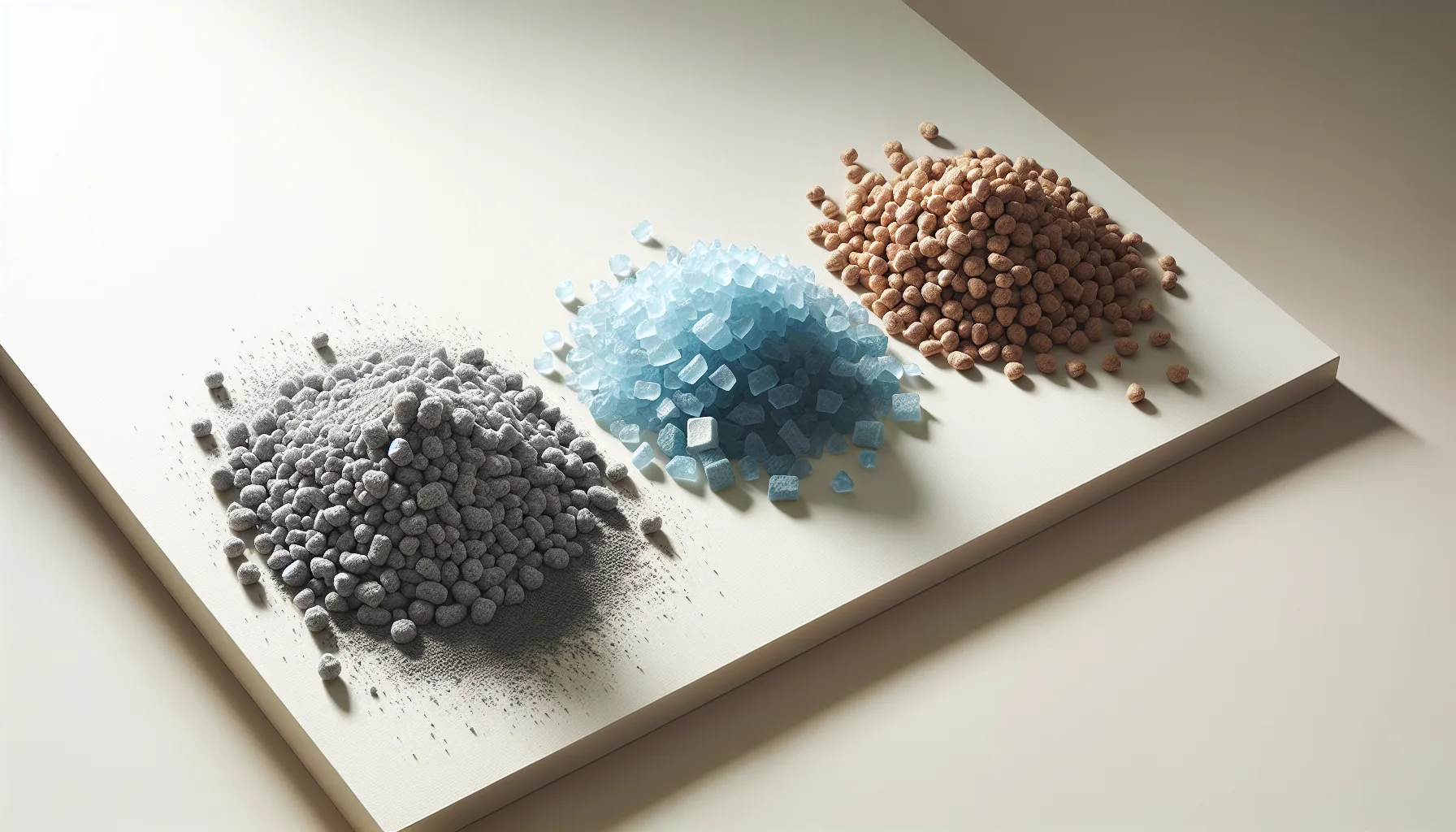
Why Litter Choice Matters More Than You’d Think
Cats are creatures of habit with very strong opinions about their bathroom arrangements. The wrong litter can lead to your cat avoiding the tray entirely, which means accidents elsewhere in the house. Vets see this constantly — it’s one of the top reasons cats get surrendered to shelters, and often the fix is as simple as changing the litter.
Your Cat’s Preferences
Most cats prefer a fine-grained, soft litter that’s easy to dig in. This makes sense — in the wild, cats bury their waste in loose sand or soil. Pellets and crystals work against that instinct, which is why some cats reject them initially.
That said, cats are individuals. I’ve known cats that refuse anything except wood pellets and others that will only use the most expensive clumping clay. You might need to experiment.
Your Priorities
- Odour control — how well it masks or absorbs smells between cleans
- Dust levels — important if you or your cat have respiratory issues
- Tracking — how much litter ends up outside the tray, stuck to paws
- Environmental impact — clay mining vs biodegradable alternatives
- Cost — from £3 per month to £20+ depending on type and brand
Clumping Clay Litter: The UK Default
Made from bentonite clay, this is the most popular type in the UK. When your cat uses it, the wet area forms a solid clump that you scoop out, leaving the rest clean. It’s the closest thing to a self-maintaining system without going automatic.
How It Works
Bentonite clay absorbs moisture and swells, binding the wet litter into a firm ball. You scoop those clumps daily, top up with fresh litter as needed, and do a full tray change every 2-3 weeks. One bag of Catsan or World’s Best typically lasts a single-cat household about 3-4 weeks.
Pros and Cons
- Excellent odour control — trapping waste in sealed clumps means less smell between scoops
- Easy daily maintenance — scoop and done, takes about 30 seconds
- Cats generally love it — the fine grain mimics sand, which most cats prefer
- Dusty — cheaper brands kick up clouds when you pour. Not ideal for asthmatic cats or owners
- Heavy — a 10-litre bag weighs about 8kg. Carrying it from the car is a workout
- Not flushable — clay expands in water and will block your pipes. Bin it, always
UK brands to look for: Catsan Smart Pack (about £8-10 for 8 litres), World’s Best Cat Litter (£15-18 for 6.35kg), and Ever Clean (£10-12 for 6 litres). Catsan is the easiest to find in supermarkets; World’s Best is available at Pets at Home and online.
Non-Clumping Clay Litter: The Budget Option
The original cat litter — loose clay granules that absorb moisture without forming clumps. Cheaper than clumping, but you need to replace the entire tray more frequently because you can’t selectively remove the wet bits.
When It Makes Sense
Non-clumping works fine for kittens (clumping litter can be dangerous if ingested by very young kittens), outdoor cats who only use the tray occasionally, or households on a tight budget. Expect to change the full tray every 5-7 days for a single cat.
- Cheapest option — about £2-4 for a large bag from Tesco or Sainsbury’s own brand
- Safe for kittens — no clumping agents to cause blockages if swallowed
- Worse odour control — waste sits in the litter rather than being sealed in clumps
- More waste — you throw away the entire trayful, including clean litter
Crystal Silica Gel Litter: The Low-Maintenance Option
These are the translucent beads that look a bit like the desiccant packets you find in shoe boxes — because they’re essentially the same thing, just in cat-sized form. Silica gel absorbs urine and dries it out, while solid waste sits on top for you to scoop. For a related angle, see our Best Cat Litter 2026 UK: Clumping, Crystal & Wood Pellet guide.
The Real-World Experience
After trying silica crystals for about three months, I found the odour control genuinely impressive for the first two weeks. The crystals absorb urine without it pooling at the bottom. But around week three, they saturate and the smell hits a wall. You’ll know when it’s time to change because the crystals turn yellow and stop absorbing.
- Low tracking — the large crystals don’t stick to paws like fine clay
- Virtually dust-free — great for cats with respiratory issues
- Lightweight — a 3.8-litre bag weighs about 1.5kg vs 8kg for clay
- Some cats dislike the texture — the hard beads feel unnatural underfoot
- Noisy — crystals rattling as your cat digs at 3am is remarkably loud
- Not biodegradable — silica doesn’t break down in landfill
Brands available in the UK: Catsan Crystals (about £8-10 for 5 litres) and Tigerino (£6-8 for 5 litres from Zooplus).
Wood Pellet Litter: The Eco-Friendly Choice
Compressed sawdust pellets that absorb urine and crumble into fine sawdust. You sift out the sawdust, leaving unused pellets. It’s the go-to for environmentally conscious cat owners.
How the Sifting System Works
When a pellet absorbs moisture, it expands and breaks down into powder. If you use a sifting tray (a tray with holes that lets the powder fall through), maintenance is simple — lift the sifting layer, tip the sawdust into the bin, replace. Without a sifting tray, you’re essentially stirring the used and unused pellets together, which defeats the purpose.
- Biodegradable and compostable — the sawdust can go in green waste (minus the solid waste, which goes in general bins)
- Natural pine scent — masks odour without artificial fragrances
- Very cheap — wood pellet fuel (same product, different packaging) costs about £5-7 for 15kg at B&Q or Wickes
- Some cats refuse to use it — the pellet texture is nothing like sand
- Solid waste sits on top — you need to scoop solids promptly or the smell is noticeable
The Kennel Club recommends checking that wood pellets are untreated and kiln-dried — some fuel pellets contain binding agents that aren’t safe for pets.
Tofu, Corn & Paper Litters: The Biodegradable Options
Tofu Litter
Made from soybean fibre. Clumps like clay, flushable in small amounts (check your local water authority’s guidance first), and biodegradable. It’s gained massive popularity in the UK over the last couple of years. Our Grain-Free Dog Food: Is It Actually Better? guide is useful alongside this.
The texture is soft and fine, which cats generally accept well. Odour control is decent but not quite as strong as premium clumping clay. Expect to pay about £10-15 for a 6-litre bag from brands like Nurture Pro or CatGenie, available at Pets at Home and Amazon UK.
Corn-Based Litter
Similar to tofu litter but made from corn kernels. World’s Best Cat Litter (confusing name, but it’s really good) is the most popular corn-based option in the UK. It clumps, controls odour well, and it’s flushable. About £15-18 for 6.35kg.
Paper-Based Litter
Recycled paper formed into pellets or strips. Very low dust, very absorbent, completely non-toxic. Often recommended by vets for post-surgery recovery because it won’t irritate wounds. Poor odour control compared to clay or silica, and it doesn’t clump.
Which Litter for Your Cat?
For Kittens
Non-clumping clay or paper-based litter until they’re about 4 months old. Kittens explore with their mouths, and clumping litter can cause intestinal blockages if swallowed. After 4 months, gradually transition to whichever adult litter you prefer.
For Multi-Cat Households
Clumping clay or tofu litter — both handle the higher volume well. The cat bed guide covers creating separate comfort zones for multi-cat homes, and the same principle applies to litter trays. The general rule is one tray per cat plus one extra, each with the same litter type. We cover a similar decision in How to Train a Puppy: The First 8 Weeks at Home.
For Cats with Allergies or Asthma
Crystal silica or paper-based — both are virtually dust-free. Avoid scented litters regardless of type; the fragrance chemicals can irritate sensitive airways.
For Flats and Small Spaces
Clumping clay with strong odour control, or crystal silica. In a small flat, you notice litter smells faster. Catsan Smart Pack and Ever Clean are specifically marketed at indoor cat owners and they perform well. Having the tray in a well-ventilated spot helps more than any litter choice, though.
Litter Tray Setup Tips
Depth of Fill
- Clumping clay — 7-10cm deep. Too shallow and clumps stick to the bottom. Too deep and you’re wasting clean litter
- Non-clumping clay — 5-7cm. You’re replacing it all anyway, so no need to go deep
- Crystal silica — 3-5cm. The crystals absorb downward; deeper doesn’t help
- Wood pellets — 3-5cm. They expand as they absorb, so they need room
Location
Quiet, accessible, away from food bowls. Cats won’t use a tray next to their dinner — would you? Avoid high-traffic areas and spots near washing machines or boilers where sudden noise might startle them mid-use.
Cleaning Schedule
Scoop solids daily regardless of litter type. Full tray changes depend on the litter: weekly for non-clumping, every 2-3 weeks for clumping, monthly for crystals. Wash the tray with warm water and mild soap at each full change — avoid bleach or strong disinfectants, as the smell can deter cats. Our pet hygiene guide covers general pet care routines.
Cost Comparison: What You’ll Actually Spend
For a single indoor cat, based on UK prices as of 2026:
- Non-clumping clay — about £3-5 per month (Tesco/Sainsbury’s own brand)
- Clumping clay — about £8-12 per month (Catsan, Ever Clean)
- Crystal silica — about £10-15 per month (Catsan Crystals, Tigerino)
- Wood pellets — about £3-5 per month (B&Q fuel pellets are cheapest)
- Tofu/corn — about £12-18 per month (World’s Best, Nurture Pro)
- Paper-based — about £8-12 per month (Breeder Celect, BioCatolet)
Multi-cat households multiply these figures roughly by the number of cats, minus about 20% (bulk buying helps).
Frequently Asked Questions
Can you flush cat litter down the toilet? Only tofu and some corn-based litters are marketed as flushable, and even then, only in small amounts. Never flush clay, crystal, or wood pellet litter — they’ll block your pipes. Some water authorities advise against flushing any cat litter due to the parasite Toxoplasma, which isn’t fully removed by water treatment.
How often should you completely change cat litter? For clumping clay: every 2-3 weeks with daily scooping. Non-clumping clay: every 5-7 days. Crystal silica: every 3-4 weeks. Wood pellets: weekly sifting with full change every 2-3 weeks. Tofu and corn: every 2-3 weeks with daily scooping.
Why has my cat stopped using the litter tray? The most common reasons are dirty litter (cats are fastidious), a litter type change they dislike, tray location problems, stress, or a urinary tract infection. If cleaning and reverting to the old litter don’t fix it within a day or two, see your vet — UTIs are painful and need treatment.
Is scented cat litter bad for cats? Many cats find artificial fragrances off-putting, and some cats with respiratory issues react to the chemicals. Unscented litter with good natural odour control (like activated carbon or baking soda) is generally the safer choice. If the litter smells bad, scoop more often rather than masking it.
What is the best cat litter for odour control? Premium clumping clay litters like Ever Clean and World’s Best consistently top odour control tests. Crystal silica is also excellent for the first 2-3 weeks. For eco-friendly options, tofu litter offers the best balance of odour control and biodegradability.