You need to get your cat to the vet. The appointment is in forty minutes. Your cat has somehow sensed this — they’re now behind the sofa, claws out, treating your approach like a home invasion. The carrier you bought five years ago has a broken zip, smells of anxiety, and your cat would rather die than enter it voluntarily. Picking the best cat carrier UK owners can rely on isn’t just about carrying a cat from A to B. It’s about finding something your cat will tolerate, you can actually carry without wrecking your shoulder, and that’s safe in the car. Here’s what we found after testing carriers across every style.
Types of Cat Carrier Explained
There are three main styles, and each suits different situations. Picking the wrong type is the most common mistake — a backpack carrier is brilliant for an adventure cat but useless for a panicky senior cat heading to the vet.
Hard-Shell Carriers
The classic plastic box with a metal door. These are sturdy, easy to clean, and offer the most security for anxious cats. They can’t collapse, they’re airline-approved (usually), and they wipe down in seconds after an accident — because accidents will happen.
Best for: Vet visits, car travel, nervous cats, multi-cat households where durability matters.
Downsides: Bulky to store, heavy when empty, and some cats find the plastic echo chamber stressful. Not great for long walks.
Soft-Sided Carriers
Fabric carriers with mesh ventilation panels. They’re lighter, often foldable for storage, and feel less clinical than hard-shell options. Most have padded shoulder straps and some even look like normal bags.
Best for: Confident cats, short trips, public transport, and owners who want something less conspicuous than a plastic box.
Downsides: Harder to clean after accidents, less secure if the zip fails, and a determined cat can scratch through mesh. Not suitable for airline hold travel.
Backpack Carriers
The trendy option — a backpack with a transparent bubble window or mesh panel so your cat can see out. They’ve exploded in popularity thanks to social media, and some cats genuinely love them.
Best for: Walking, hiking, and adventure cats who enjoy watching the world. Short trips where you need both hands free.
Downsides: Limited space (most only fit cats up to 5-6kg comfortably), they can overheat in summer, and many cats hate the confined space. Not ideal for vet visits where you need to get the cat in and out quickly.
What to Look For in a Cat Carrier
Before spending money, consider these factors — they matter more than brand names:
- Size: Your cat should be able to stand, turn around, and lie down. Measure your cat from nose to tail base and add 10cm. Most carriers list internal dimensions — check them, don’t guess.
- Weight capacity: Carriers list a maximum weight. Your 7kg cat needs a carrier rated for at least 8kg, not the 6kg budget option.
- Ventilation: Mesh panels on at least two sides. Cats overheat fast, especially when stressed. More ventilation is always better.
- Access points: Top-loading carriers are a game-changer for reluctant cats. Lowering a cat into a top opening is infinitely easier than pushing them through a front door. Multiple access points = less stress for everyone.
- Security: Zips should have secondary clips or toggles. One zip failure and your cat is loose in a car park. Metal doors on hard carriers should latch firmly with no wiggle.
- Cleaning: Removable, washable padding is essential. Cats wee when stressed. This isn’t optional.
Best Overall: Catit Cabrio (about £35)
The Catit Cabrio is a hard-shell carrier with a front door, top hatch, and a top opening that covers the entire upper half. It’s the carrier we recommend to anyone asking “just tell me what to buy.”
Why it stands out: The triple access system is what sells it. Front door for confident cats who’ll walk in. Top hatch for nervous cats you need to lower in. Full top removal for vet examinations — the vet can examine your cat while they stay in the bottom half, which massively reduces stress for scared cats. It’s airline cabin-approved on most UK carriers (check your specific airline), and the plastic shell survives years of use.
The downsides: It’s not the lightest at 2.2kg empty, and it takes up cupboard space since it doesn’t fold. The ventilation could be better — the mesh areas are small compared to the plastic surface. Fits cats up to about 5.5kg comfortably; larger cats will feel cramped.
Where to buy: Amazon UK, Pets at Home, Zooplus. About £30-40.
Best Soft Carrier: Sleepypod Air (about £65)
If you want something that doesn’t scream “I have a cat,” the Sleepypod Air is it. It looks like a smart messenger bag but converts into a comfortable travel carrier.
Why it stands out: Crash-tested to pass vehicle safety standards (one of the few soft carriers that can say this), mesh panels on three sides for ventilation, and it folds completely flat for storage. The padded shoulder strap is comfortable for long carries, and it fits under an airline seat. The zip system is robust with clip backups, so there’s no risk of accidental opening. For a related angle, see our How to Read a Cat Food Ingredients List guide.
The downsides: The price. At £65, it’s double most soft carriers. It’s also not top-loading, which makes loading a nervous cat harder. The dark interior can feel cave-like — some cats find this calming, others don’t. Maximum weight is about 5kg.
Where to buy: Amazon UK, direct from Sleepypod, and some independent pet shops. About £60-70.
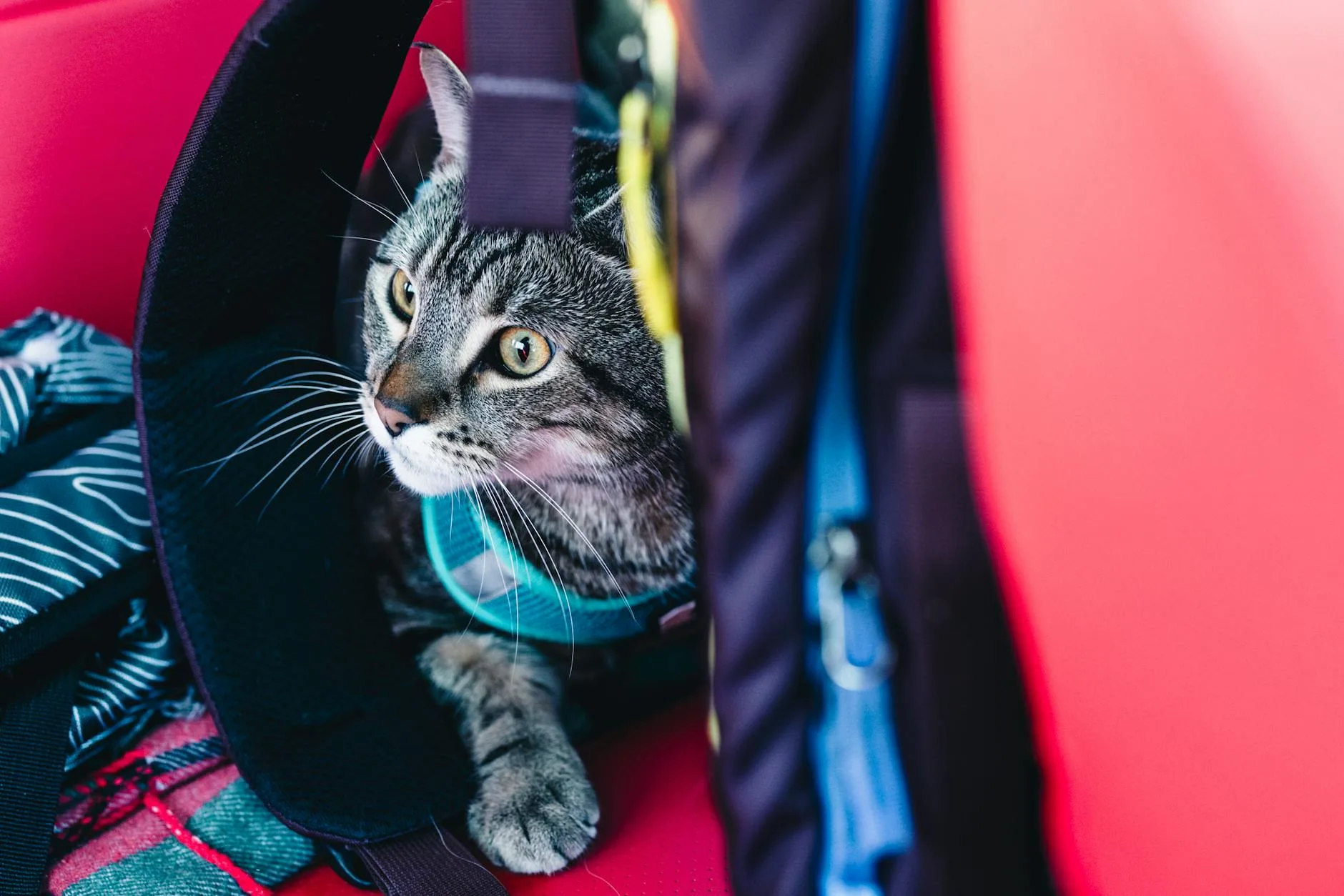
Best Backpack: Pecute Cat Backpack Carrier (about £40)
The bubble window backpack market is full of cheap knockoffs. The Pecute stands above them with better ventilation, sturdier construction, and a design that actually considers the cat’s comfort.
Why it stands out: Mesh panels on the sides and a replaceable front panel (bubble dome or full mesh, both included) give you ventilation options. The internal clip attaches to a harness so your cat can’t bolt when you open it. There’s a padded bottom mat that’s removable and washable. The chest and waist straps distribute weight well, and the frame holds its shape so the carrier won’t compress against your back and squash your cat. Our Dog Toy Safety: What to Look For guide is useful alongside this.
The downsides: Maximum weight around 6kg, but in practice cats over 4.5kg look cramped. It gets warm in summer — take the mesh front and avoid midday heat. Your cat needs to be really comfortable in enclosed spaces; this isn’t the carrier to try with a cat who’s never been in one before. And the bubble window is more for your entertainment than your cat’s benefit.
Where to buy: Amazon UK, eBay. About £35-45.
Best Budget: Amazon Basics Two-Door Top-Load (about £20)
When budget is the priority and you just need something functional for vet trips, the Amazon Basics carrier does the job without pretending to be fancy.
Why it stands out: It costs about £20 and has two features that many carriers twice the price lack: a top-loading door and a front door. The plastic construction is sturdy enough, the metal door latches properly, and it comes in multiple sizes. For a basic vet-trip carrier, it’s all you need. We cover a similar decision in How to Stop Your Cat Scratching Furniture.
The downsides: No frills. The ventilation is minimal (small slots in the sides), the plastic feels cheaper than the Catit Cabrio, and the top half doesn’t fully remove for vet examinations. The bottom tray isn’t removable, which makes cleaning harder after accidents. It works, but you won’t enjoy using it.
Where to buy: Amazon UK only. About £18-25 depending on size.
Best for Large Cats: Ferplast Atlas 30 (about £35)
Most carriers are designed for cats up to 5-6kg. If you have a Maine Coon, British Shorthair, or just a particularly chunky moggy, you need something bigger.
Why it stands out: The Atlas 30 handles cats up to 10kg, with internal dimensions of roughly 60 x 40 x 38cm — enough for a large cat to turn around and lie flat. The metal door is robust, ventilation slots run along both sides, and it’s IATA-approved for airline hold travel (with additional requirements). If you’re also choosing between different bed sizes for your large cat, Ferplast make the equivalent oversized options there too. You may also want to read Best Cat Water Fountains 2026 UK: Ceramic & Stainless Steel.
The downsides: It’s big and heavy — 2.5kg empty, which feels substantial when you add a 7kg cat. No top-loading option on the standard model. Storing it takes real cupboard space. And the size means it won’t fit under most airline seats, so it’s hold luggage only for flying.
Where to buy: Amazon UK, Zooplus, Pets at Home. About £30-40.
Getting Your Cat Used to Their Carrier
The carrier shouldn’t only appear when something bad is about to happen. That’s how cats develop carrier phobia. Instead:
- Leave it out permanently. Put the carrier in a corner of your living room with the door open, a blanket inside, and treats scattered in it. Let your cat explore it on their own terms over several days.
- Feed treats inside. Once your cat goes in voluntarily, start placing treats and even meals inside. Associate the carrier with good things.
- Short trips first. Before the vet visit, take your cat for a five-minute car ride and bring them home. Then a ten-minute trip. Build positive associations gradually.
- Pheromone spray. Feliway spray (about £10 from Pets at Home) on the carrier’s bedding 15 minutes before use can help anxious cats. It doesn’t work for every cat, but it’s worth trying.
- Cover in the car. A light blanket over the carrier during car trips reduces visual stimulation and helps some cats settle. Leave ventilation gaps open.
If your cat already has extreme carrier anxiety — hissing, biting, weeing immediately — a top-loading carrier is essential. It’s much easier to gently lower a cat through a top opening than force them through a front door. For independent guidance, check PDSA pet advice.
Car Safety: Securing Your Carrier
A loose carrier in a car is dangerous. In a sudden stop at 30mph, an unsecured carrier becomes a projectile. There’s no legal requirement in the UK to restrain a cat carrier, but the Highway Code Rule 57 states that animals should be “suitably restrained” to avoid distraction.
How to secure a carrier: Thread the seatbelt through the handle or use a boot restraint strap. Some carriers have built-in seatbelt loops. The back seat floor (footwell) is actually one of the most stable positions if the carrier fits — it’s wedged and can’t slide.
Never put a carrier on the front passenger seat with an active airbag. In a collision, the airbag deploys with enough force to crush a carrier and seriously injure your cat.
Carriers are often used for early vet visits, so it is worth pairing the kit with the health schedule. Our UK puppy and kitten vaccination guide explains the usual timing.
Frequently Asked Questions
What size cat carrier do I need?
Measure your cat from nose to tail base and add at least 10cm. Your cat should be able to stand up, turn around, and lie down flat inside the carrier. For an average domestic cat (3.5-5kg), a carrier with internal dimensions of about 45 x 30 x 30cm works well. Larger breeds like Maine Coons need carriers rated for 8-10kg with at least 55cm length.
Should I get a hard or soft cat carrier?
For vet visits and car travel, a hard carrier is safer and easier to clean. For public transport, walking, or travel where weight matters, a soft carrier is more practical. If you only buy one, go hard-shell with a top-loading option — it covers more situations.
Are cat backpack carriers safe?
Yes, when used correctly and for appropriate cats. The carrier should have mesh ventilation, an internal harness clip, and a rigid frame. Don’t use backpack carriers for extended periods (over 30 minutes), in hot weather, or for cats who are anxious in enclosed spaces. Always start with short trips to see how your cat reacts.
How do I clean a cat carrier after an accident?
For hard carriers: remove any padding, wash with warm soapy water, and use an enzymatic pet cleaner (not bleach — the smell deters cats from entering again). For soft carriers: remove the washable liner, machine wash if possible, and spot-clean the shell with enzymatic cleaner. Let everything dry completely before use.
Can I take a cat carrier on a plane in the UK?
Most UK airlines allow small pet carriers in the cabin on certain routes, but policies vary widely. The carrier typically needs to be soft-sided, fit under the seat (around 45 x 35 x 20cm), and your cat must stay inside for the entire flight. Ryanair and easyJet don’t allow pets in the cabin at all. British Airways allows pets in the hold only. Check your specific airline’s pet policy well before booking.
The Bottom Line
The Catit Cabrio is the best cat carrier for most UK cat owners — the triple access system, solid construction, and reasonable price make it the default recommendation. If you want something more portable, the Sleepypod Air is the premium soft option. For backpack adventures, the Pecute is worth the money if your cat is the right temperament. And if budget is tight, the Amazon Basics carrier gets the job done for under £20.
Whatever you choose, get your cat comfortable with the carrier before you need it. A cat who sees the carrier as a safe space rather than a torture device will make every vet trip, house move, and holiday noticeably easier for both of you.