You’ve brought your new puppy or kitten home, they’re settling in beautifully, and then someone mentions vaccinations and suddenly you’re panicking about timelines, booster schedules, and whether you’ve already missed something. Take a breath. The UK vaccination schedule is simple once you understand it — and your vet will guide you through most of it. But knowing what’s coming, when, and why means you won’t be caught off guard by costs or timing.
In This Article
- Why Vaccinations Matter
- Puppy Vaccination Schedule UK
- Kitten Vaccination Schedule UK
- What Happens at Each Appointment
- Costs and What to Expect to Pay
- Common Side Effects
- When Can They Go Outside?
- Annual Boosters Explained
- Missed Vaccinations: What to Do
- Frequently Asked Questions
Why Vaccinations Matter
Vaccinations protect against diseases that are either fatal or cause serious long-term damage. Some of these diseases — particularly parvovirus in dogs and feline panleukopenia in cats — are still actively circulating in the UK. They’re not historical curiosities.
Herd Immunity
When most animals in a population are vaccinated, diseases can’t spread easily — this protects vulnerable animals who can’t be vaccinated (very young puppies, immunocompromised pets). When vaccination rates drop, outbreaks occur. The UK saw a significant increase in parvovirus cases during 2020-2022 when pandemic lockdowns disrupted routine vet visits.
What Vaccines Actually Do
Vaccines expose the immune system to a weakened or inactive version of a pathogen. The body mounts a response, develops antibodies, and “remembers” the threat. If the real disease arrives later, the immune system responds rapidly — preventing infection or reducing severity massively.
Core vs Non-Core Vaccines
- Core vaccines — recommended for ALL puppies/kittens regardless of lifestyle. Protect against the most dangerous and common diseases.
- Non-core vaccines — recommended based on lifestyle, location, and risk factors. Your vet assesses which are appropriate.
Puppy Vaccination Schedule UK
Primary Course (First Vaccinations)
The standard UK puppy vaccination schedule:
8 weeks old — First vaccination:
- Distemper
- Parvovirus
- Infectious hepatitis (adenovirus)
- Leptospirosis (Lepto 4)
10-12 weeks old — Second vaccination:
- Distemper (booster)
- Parvovirus (booster)
- Infectious hepatitis (booster)
- Leptospirosis (second dose)
- Parainfluenza (often included)
After the second vaccination: your puppy is protected 1-2 weeks after the final injection. Most vets say 1 week after the second jab for walks on pavements, 2 weeks for full protection including dog parks.
What Each Disease Is
- Distemper — attacks the nervous system, lungs, and gut. Often fatal in unvaccinated puppies. Still present in UK wildlife (foxes carry it).
- Parvovirus — highly contagious, attacks the gut lining causing severe bloody diarrhoea and dehydration. Fatal in up to 80% of untreated puppies. Survives in the environment for months.
- Infectious hepatitis — attacks the liver and kidneys. Can cause sudden death in young puppies.
- Leptospirosis — bacterial infection spread through rat urine, contaminated water, and soil. Can spread to humans (Weil’s disease). The Lepto 4 vaccine covers four strains common in the UK.
- Parainfluenza — respiratory virus, one component of kennel cough. Not usually fatal but very unpleasant.
Optional/Non-Core Puppy Vaccines
- Kennel cough (Bordetella + parainfluenza) — given as a nasal spray. Required by most boarding kennels, dog daycare, and training classes. Usually given from 3 weeks before boarding.
- Rabies — only needed for Pet Travel (PETS scheme) if travelling abroad. Not routinely given in the UK.
Kitten Vaccination Schedule UK
Primary Course (First Vaccinations)
9 weeks old — First vaccination:
- Feline panleukopenia (feline parvovirus)
- Cat flu: feline calicivirus
- Cat flu: feline herpesvirus
12 weeks old — Second vaccination:
- Feline panleukopenia (booster)
- Cat flu: calicivirus (booster)
- Cat flu: herpesvirus (booster)
- Feline leukaemia virus (FeLV) — first dose (if outdoor/mixed access cat)
15-16 weeks old — Third vaccination (if FeLV started):
- Feline leukaemia virus (second dose)
After the second core vaccination: kittens can go outside 1 week after, though most vets recommend keeping kittens indoors until neutered (4-6 months) regardless.
What Each Disease Is
- Feline panleukopenia — the cat equivalent of parvovirus. Attacks white blood cells and gut. High fatality rate in kittens. Extremely contagious and survives in the environment for over a year.
- Feline calicivirus — causes mouth ulcers, respiratory symptoms, and lameness. Rarely fatal in adult cats but can be severe in kittens.
- Feline herpesvirus — causes severe cat flu with eye ulcers, sneezing, and nasal discharge. Cats remain carriers for life after infection.
- Feline leukaemia (FeLV) — attacks the immune system, causing cancer and immune suppression. Spread through close contact (grooming, sharing food bowls, fighting). No cure. Strongly recommended for outdoor cats.
Optional/Non-Core Kitten Vaccines
- Rabies — for travel only
- Chlamydophila felis — causes conjunctivitis, recommended in multi-cat households with known problems
What Happens at Each Appointment
Before You Go
- Keep a note of when you got your puppy/kitten and any paperwork from the breeder/rescue about previous treatments
- Write down questions — vets are busy and appointments are short
- If the pet seems unwell (temperature, diarrhoea, not eating), mention it — vets may delay vaccination if the animal is sick
During the Appointment
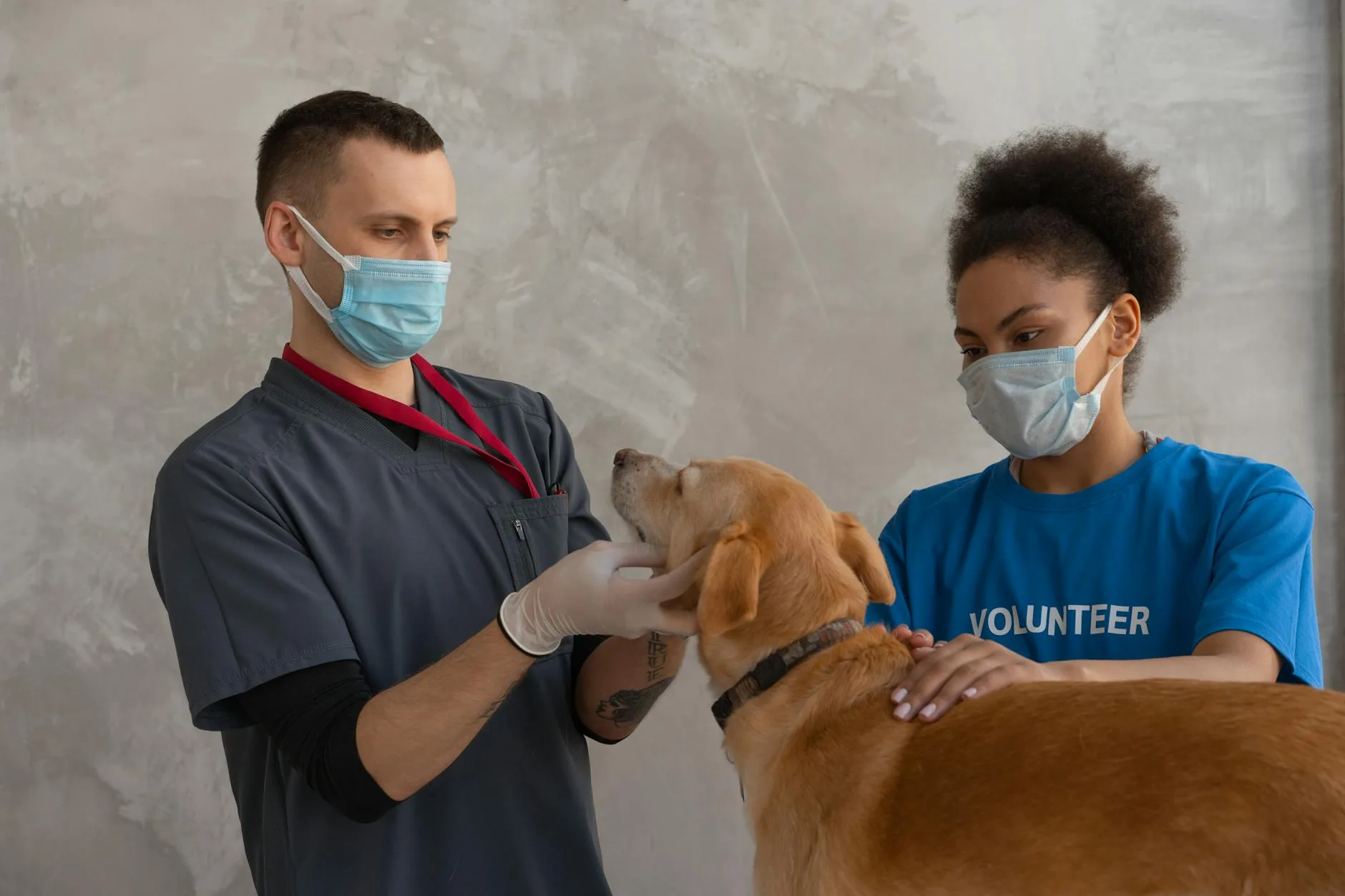
- The vet performs a full health check — temperature, heart, lungs, teeth, eyes, weight
- They discuss any concerns about development or behaviour
- The injection is given — usually into the scruff (back of the neck) for both puppies and kittens
- The nasal kennel cough vaccine (if applicable) is squirted up the nose — many puppies sneeze with great enthusiasm
- You receive a vaccination record card — keep this safe, you’ll need it for kennels, insurance claims, and future vet visits
After the Appointment
- Most pets are completely fine within minutes
- Some may be slightly quieter than usual for 12-24 hours
- A small lump at the injection site is normal and resolves within a few days
- Restrict vigorous exercise for the rest of that day
I’ve been through this with two rescue kittens — both were completely unbothered within an hour. The worst part was getting them into the carrier.
Costs and What to Expect to Pay
Puppy Vaccinations
- Primary course (2 injections): £40-80 total (varies by practice and region)
- Kennel cough (nasal): £30-50 per dose
- Annual boosters: £40-70 per year
Kitten Vaccinations
- Primary course (2-3 injections): £50-90 total
- Annual boosters: £40-60 per year
Ways to Reduce Costs
- Pets at Home vet (Vets4Pets/Companion Care): often cheaper than independent practices for routine vaccinations
- Charity vet clinics (PDSA, Blue Cross): free or reduced-cost for qualifying owners on benefits
- Pet health plans: monthly subscription (£10-20/month) that spreads vaccination costs and includes flea/worming treatments — often works out cheaper than paying individually
- Multi-pet discounts: some practices offer reduced rates for second/third pets vaccinated at the same visit
What’s NOT Worth Skipping
Never skip the primary course to save money. Treatment for parvovirus alone costs £2,000-5,000+ in intensive care — with no guarantee of survival. The £60-80 primary course is the cheapest insurance you’ll ever buy. As we covered in our guide to choosing vet-recommended pet food, investing in prevention is always cheaper than treating illness. For a related angle, see our Best Dog Joint Supplements 2026 UK: Glucosamine & Chondroitin guide.
Common Side Effects
Normal (No Action Needed)
- Slight lethargy for 12-24 hours — very common, especially after the second jab
- Mild tenderness at injection site — pet may flinch when touched there
- Small lump at injection site — resolves within 1-2 weeks
- Sneezing (after kennel cough nasal vaccine) — can last 1-3 days
- Mild runny nose — again, kennel cough vaccine specific
- Slightly reduced appetite for one meal
Uncommon (Monitor, Call Vet if Persists)
- Vomiting more than once
- Diarrhoea lasting more than 24 hours
- Swelling at injection site that grows rather than shrinks
- Fever (hot ears, shivering, reluctance to move) beyond 24 hours
Rare (Seek Immediate Vet Attention)
- Facial swelling (anaphylaxis) — usually within 30 minutes of injection
- Difficulty breathing
- Collapse
- Severe vomiting/diarrhoea starting within hours of vaccination
Anaphylactic reactions are extremely rare (estimated 1 in 10,000-15,000 vaccinations) but require emergency treatment. This is why many vets ask you to wait 10-15 minutes in the waiting room after the injection.
When Can They Go Outside?
Puppies
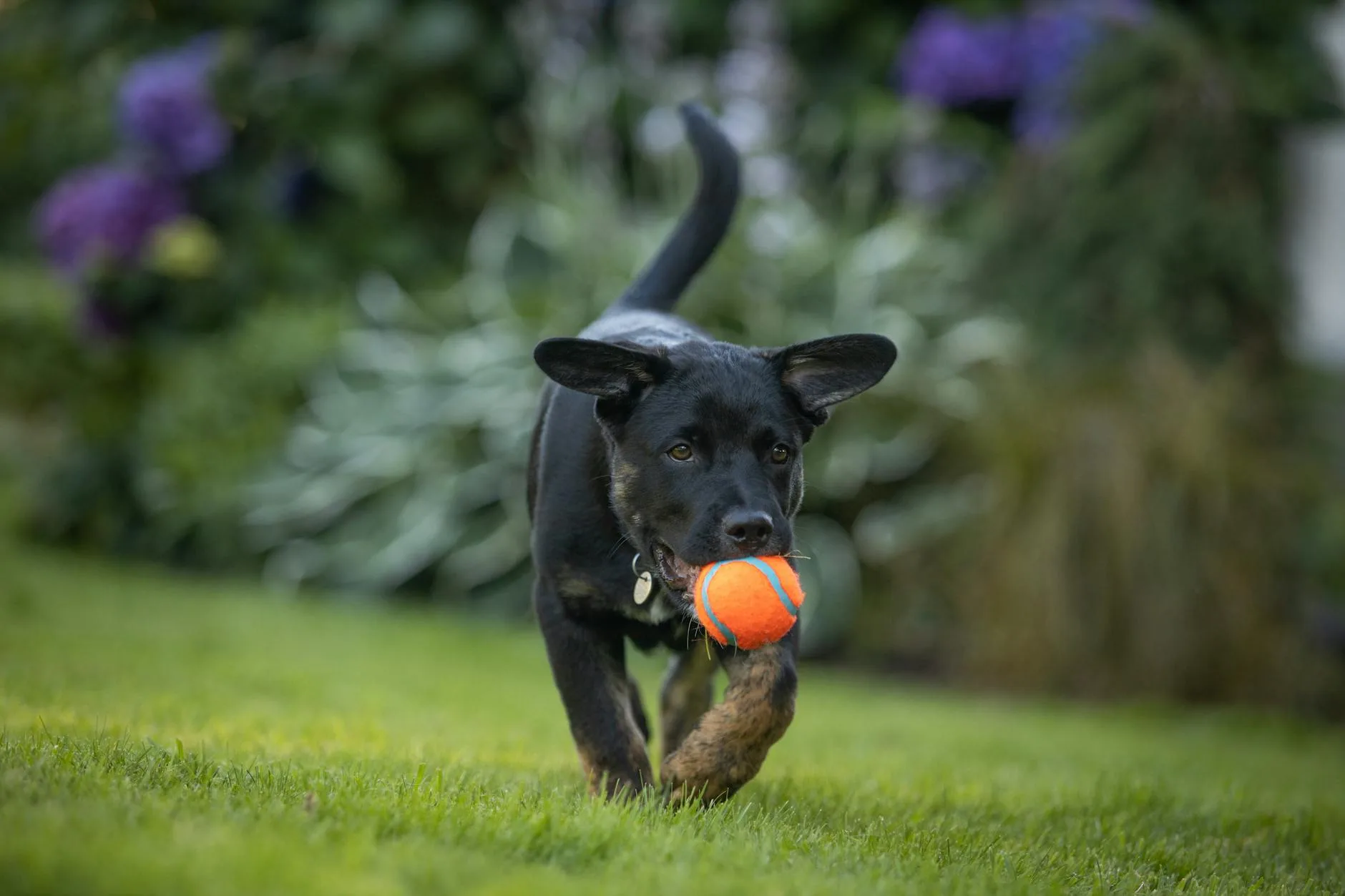
The traditional advice: 1-2 weeks after the second vaccination (so typically 11-14 weeks old) for walks on the ground.
However, modern veterinary guidance from the BSAVA (British Small Animal Veterinary Association) balances infection risk against socialisation:
- Carrying puppy in public — safe from day one, as they’re not touching the ground
- Your own garden (if no unvaccinated dogs have used it) — generally safe before full vaccination
- Pavements and clean areas — 1 week after second vaccination
- Dog parks, woodland, areas with lots of dog traffic — 2 weeks after second vaccination
- Socialisation classes on clean floors — many puppy classes accept puppies 1 week after their first vaccination
The socialisation window (3-14 weeks) is critical for behavioural development. Waiting until 14 weeks for all outdoor experiences means missing most of this window. Balance risk sensibly — avoiding contaminated areas while still exposing your puppy to the world. Our puppy training guide covers how to maximise this socialisation period safely. Our How to Introduce a New Puppy to an Older Dog guide is useful alongside this.
Kittens
Most vets recommend keeping kittens indoors until neutered (4-6 months) regardless of vaccination status. This is primarily to prevent unwanted pregnancies and fights, not just disease risk. Once neutered and fully vaccinated, outdoor access is safe.
Indoor-only cats still need vaccinations — visitors can carry diseases on shoes and clothing, and cats occasionally escape.
Annual Boosters Explained
Dogs
Not all vaccines need annual boosting. The current UK protocol:
- Leptospirosis — annual (immunity wanes quickly, and the disease is common in UK waterways)
- Kennel cough — annual (required by most kennels, immunity is short-lived)
- Distemper, parvovirus, hepatitis (DHP) — every 3 years after the initial course and first annual booster
So in practice: your dog gets a smaller booster every year (lepto + kennel cough) and a larger one every 3 years (DHP + lepto + KC).
Cats
- Cat flu (calicivirus + herpesvirus) — annual (immunity wanes, carrier cats can relapse under stress)
- Feline panleukopenia — every 3 years after initial course
- Feline leukaemia (FeLV) — annual for outdoor cats, can be discontinued for indoor-only cats after initial course
Titre Testing (Alternative to Boosters)
Some owners prefer titre testing — a blood test measuring existing antibody levels — instead of automatic boosters. If antibody levels are sufficient, the booster is unnecessary.
- Cost: £60-100 per test (more expensive than the booster itself)
- Validity: accepted by some but not all boarding kennels
- Best for: DHP in dogs (works reliably). Not suitable for leptospirosis (titres don’t correlate well with protection)
- Vet opinion: mixed — some support it, others prefer the certainty of regular boosters
Missed Vaccinations: What to Do
Missed the Timing Window for Puppies/Kittens
If you’re more than 2 weeks late for the second vaccination, most vets will restart the primary course from the beginning. This is because protection from the first injection alone isn’t reliable — the second dose is what triggers lasting immunity. We cover a similar decision in Best Cat Food 2026 UK: Complete Wet & Dry Brands.
Lapsed Annual Boosters
If your adult dog or cat has missed a booster:
- Less than 15 months since last booster: most vets will give a single booster and consider protection restored
- More than 15 months but less than 3 years: often a single booster is sufficient for DHP (dogs) or panleukopenia (cats), but leptospirosis and cat flu may need restarting
- More than 3 years: full primary course restart recommended
Rescue Animals with Unknown History
If you’ve adopted a pet with no vaccination records:
- Vets treat them as unvaccinated and start the full primary course
- This is safe even if the animal was previously vaccinated — extra vaccinations don’t cause harm
- Some rescues provide initial vaccinations before rehoming (check your adoption paperwork)
A good approach for rescue pets is to combine their first vaccination visit with a general health check — as we discuss in how to train a puppy in the first weeks, early vet positive experiences help build confidence for future visits.
Frequently Asked Questions
Can puppies go outside before vaccinations are complete? They can be carried in public from day one — just don’t let them walk on the ground in areas where other dogs go. Your own garden is usually safe if no unvaccinated dogs have used it. Full ground access in public spaces should wait until 1-2 weeks after the second vaccination (typically 11-14 weeks old).
Do indoor cats need vaccinations? Yes. You can carry feline panleukopenia and cat flu viruses into your home on shoes and clothing. Indoor cats also occasionally escape, and emergency vet visits expose them to other animals. The core vaccines (panleukopenia, calicivirus, herpesvirus) are recommended for all cats regardless of lifestyle.
Are pet vaccinations safe? Overwhelmingly yes. Serious adverse reactions occur in approximately 1 in 10,000-15,000 vaccinations. Mild side effects (lethargy, slight soreness) are common but resolve within 24 hours. The diseases they prevent are far more dangerous than any vaccination risk.
How much do puppy vaccinations cost in the UK? The primary course (two injections) typically costs £40-80 total, depending on your vet practice and location. Annual boosters cost £40-70. Pet health plans (£10-20/month) can spread these costs and often include flea and worming treatments too.
Can I vaccinate my pet myself? No. In the UK, vaccinations must be administered by a registered veterinary surgeon or veterinary nurse under direction. DIY vaccination would void any pet insurance, wouldn’t be accepted by kennels, and carries risks of incorrect storage, dosage, or injection technique.