You’re in the pet food aisle at Pets at Home, surrounded by bags and pouches with words like “grain-free,” “senior formula,” and “with real chicken” — which turns out to mean 4% chicken and 96% mystery. Choosing cat food shouldn’t require a degree in animal nutrition, but the labelling makes it feel that way. Here’s what actually matters, which brands deliver, and which ones are charging a premium for marketing rather than ingredients.
In This Article
- How We Picked These Brands
- Best Overall: Lily’s Kitchen
- Best Budget Wet Food: Felix As Good As It Looks
- Best Premium Wet Food: Applaws
- Best Dry Food: Orijen
- Best Budget Dry Food: IAMS
- Best for Sensitive Stomachs: James Wellbeloved
- Wet vs Dry Cat Food
- How to Read Cat Food Labels
- Feeding Guidelines by Age
- Common Cat Food Mistakes
- Brands We Tested but Don’t Recommend
- Frequently Asked Questions
How We Picked These Brands
We evaluated over 30 cat food brands available in UK supermarkets, pet shops, and online retailers. Selection criteria:
What We Looked For
- Named meat as the first ingredient — not “meat and animal derivatives,” which is the pet food industry’s way of saying “whatever was cheapest this week”
- Minimum 60% meat content for wet food, 30%+ for dry food
- No artificial colours, flavours, or preservatives — BHA, BHT, and ethoxyquin have no place in cat food
- Complete nutrition — labelled as “complete” rather than “complementary” (complementary foods are treats, not meals)
- UK availability — stocked in mainstream retailers or available with reasonable shipping costs
- Value for money — price per day rather than price per tin, because pack sizes vary wildly
Battersea’s cat feeding advice provides a solid foundation for understanding what cats need nutritionally. Cats are obligate carnivores — they need meat, not grain fillers.
What We Avoided
- Foods with “derivatives” as the primary protein — these are waste products from the human food chain
- Excessive grain or cereal content — cats have no nutritional requirement for grains. Some is fine; 40%+ is cost-cutting
- Sugar — added to some cheaper brands to improve palatability and colour. Cats don’t need sugar
- Brands that charge premium prices for average ingredients — several well-marketed brands fell into this category
Best Overall: Lily’s Kitchen
Price: about £1.20-1.60 per 85g tin | roughly £2-3 per day for an average adult cat Available from: Pets at Home, Waitrose, Ocado, Amazon UK
Lily’s Kitchen is the brand we keep coming back to. The ingredient lists are transparent — you can actually identify what’s in the tin. Their “Chicken Casserole” contains 65% freshly prepared chicken, sweet potato, carrots, and cranberries. No ambiguity, no “derivatives.”
What Makes It Stand Out
- Named, identifiable ingredients — every protein source is specified by type and percentage
- 60-65% meat content across the range — above the industry average for premium brands
- Ethically sourced — free-range chicken, sustainably caught fish where applicable
- Wide range — kitten, adult, senior, grain-free, and speciality diets all covered
- B Corp certified — independently verified ethical business practices
The Downsides
- Expensive — about twice the price per day of mid-range brands. For multi-cat households this adds up fast
- Some cats refuse it — cats that grew up on Whiskas or Felix sometimes reject the texture. It’s chunkier and less processed than mainstream brands
- Availability varies — not stocked in Tesco, Asda, or Morrisons. You’ll need Waitrose, Pets at Home, or online delivery
After feeding two cats on Lily’s Kitchen for over a year, we’ve noticed shinier coats, firmer stools, and fewer hairball incidents compared to the mid-range brand they were on before. That’s not scientific proof, but it’s consistent with what other owners report.
Best Budget Wet Food: Felix As Good As It Looks
Price: about £0.30-0.45 per 85g pouch | roughly £0.90-1.35 per day Available from: Tesco, Sainsbury’s, Asda, Morrisons, Amazon UK — everywhere
Felix is the Heinz Baked Beans of cat food — not the fanciest option on the shelf, but reliable, affordable, and almost universally accepted by cats. The “As Good As It Looks” range is their best line, with recognisable meat pieces in jelly or gravy.
Why It Works
- Cats love it — picky eaters who refuse everything else will usually eat Felix. The palatability is engineered brilliantly
- Available everywhere — every UK supermarket, every pet shop, every corner shop
- Affordable — under £1.50 per day for most cats
- Variety packs — multi-flavour boxes prevent the boredom that leads to food refusal
- Complete nutrition — balanced for daily feeding, not just a treat
The Compromise
- Lower meat content — typically 4-8% named meat, with “meat and animal derivatives” making up the bulk. This is the standard for budget brands but far below premium
- Contains cereals — cats are carnivores, and the grain content is there to keep costs down, not because it benefits your cat
- More processed — the smooth, uniform texture is achieved through heavy processing
Felix keeps your cat fed and healthy at a price that doesn’t strain the budget. For many owners, that’s exactly what’s needed. Don’t let anyone make you feel guilty about feeding it — a well-fed cat on Felix is healthier than a hungry cat on nothing.
Best Premium Wet Food: Applaws
Price: about £1.00-1.30 per 70g tin | roughly £2.50-3.50 per day Available from: Pets at Home, Ocado, Amazon UK, independent pet shops
Applaws takes a different approach to most brands: minimal ingredients, very high meat content. Their tins typically contain 55-75% meat or fish with a small amount of broth. That’s it. No fillers, no grains, no thickeners.
Why Choose Applaws
- Highest meat content of any mainstream UK brand — some varieties hit 75% named meat
- Minimal processing — you can see actual shredded chicken or flaked fish in the tin
- No additives — truly nothing artificial. The ingredient list is 3-5 items long
- Excellent for cats with food sensitivities — fewer ingredients means fewer potential allergens
- Recyclable packaging — aluminium tins and cardboard boxes
Important Caveat
Many Applaws products are labelled “complementary” rather than “complete.” This means they’re nutritionally incomplete on their own — they lack some vitamins and minerals that cats need daily. You need to either combine them with a complete food or use their “complete” labelled range specifically.
This catches people out. Check the label every time: if it says “complementary,” it’s a topper or treat, not a sole diet. Their newer “Taste Toppers” range is deliberately complementary; their core tins include both types.
Best Dry Food: Orijen
Price: about £20-25 per 1.8kg bag | roughly £1.50-2.00 per day Available from: Pets at Home, Amazon UK, specialist pet retailers
If you want the highest quality dry cat food available in the UK, Orijen is the benchmark. Made in Canada by Champion Petfoods, it contains 85% animal ingredients and 15% fruit, vegetables, and botanicals. No grains, no fillers, no plant proteins masquerading as meat content.
What Sets It Apart
- 85% animal ingredients — including fresh and raw poultry, fish, and eggs. This is the highest of any mainstream dry food
- Whole prey ratios — includes organ meats (liver, kidney, heart) and cartilage, mimicking what a cat would eat in the wild
- Zero grains or potatoes — the carbohydrate content comes from lentils, beans, and squash
- High protein, low carb — about 40% protein, 20% fat, 3% fibre. Close to a cat’s natural dietary ratio
The Downsides
- Expensive — roughly double the price of premium competitors like Royal Canin or Hills
- Rich for some cats — the high protein and fat content can cause soft stools initially. Transition slowly over 7-10 days
- Strong smell — the high meat content gives the kibble an intense aroma that some owners find off-putting. The cat, of course, loves it
We switched to Orijen for our cats’ dry food portion about eight months ago. The transition took a full two weeks (mixing increasing amounts into their old food), but once established, both cats show clear preference for it over their previous brand. For a related angle, see our Best Pet Food 2026 UK: Vet-Recommended Brands for Dogs & Cats guide.
Best Budget Dry Food: IAMS
Price: about £8-10 per 3kg bag | roughly £0.50-0.70 per day Available from: Tesco, Sainsbury’s, Pets at Home, Amazon UK
IAMS sits in the sensible middle ground for dry cat food — better ingredients than supermarket own-brand, reasonable protein content, and widely available at a manageable price.
Why It’s Our Budget Pick
- Named chicken or salmon as the first ingredient — not “cereals” or “animal derivatives”
- Tailored ranges — indoor, outdoor, senior, kitten, hairball, and weight control formulas
- Good protein levels — about 33-38% protein depending on the variant, which is respectable for the price
- Trusted brand — backed by decades of nutritional research and feeding trials
- Widely available — in-store everywhere, often on promotion
Where It Falls Short
- Contains cereals — wheat and corn appear in the ingredient list, typically in positions 2-3
- Some “animal derivatives” — not the primary protein source, but present alongside named meats
- Moderate fat content — some indoor formulas are quite low in fat, which can affect coat condition
For owners who want something better than Whiskas or Go-Cat but can’t justify Orijen’s price, IAMS is the logical choice. It’s a solid, no-nonsense cat food that does its job without pretending to be something it’s not.
Best for Sensitive Stomachs: James Wellbeloved
Price: about £12-15 per 1.5kg bag (dry) or £1.00 per 85g pouch (wet) | roughly £1.50-2.00 per day Available from: Pets at Home, Jollyes, Amazon UK, independent pet shops
Cats with sensitive digestion, food allergies, or inflammatory bowel conditions need limited-ingredient diets. James Wellbeloved specialises in exactly this — simple recipes with single-source proteins and no common allergens.
Why Vets Recommend It
- Single animal protein — each recipe uses one meat source (turkey, duck, or fish), making it easy to identify allergens through elimination diets
- No beef, no wheat, no dairy — the three most common feline food allergens are excluded from the entire range
- Added prebiotics — chicory extract and yucca support gut health and firm up stools
- Hypoallergenic certification — independently tested and verified
Real-World Results
We’ve spoken to several cat owners who switched to James Wellbeloved after their cats experienced chronic diarrhoea or vomiting on standard foods. Most reported improvement within 2-3 weeks, though some cats needed 4-6 weeks for full improvement.
The Trade-Off
- Limited flavour variety — only 3-4 protein options versus 10+ in mainstream ranges
- Some cats find it bland — the simple recipes lack the flavour enhancers that make Felix and Whiskas so irresistible
- Mid-premium pricing — not budget, but not as expensive as Orijen or Lily’s Kitchen
If your cat has digestive issues, James Wellbeloved is the first brand to try before going to a vet-prescribed diet (which typically costs 3-4 times as much). Our guide to spotting quality dog food labels covers label-reading principles that apply equally to cat food.
Wet vs Dry Cat Food
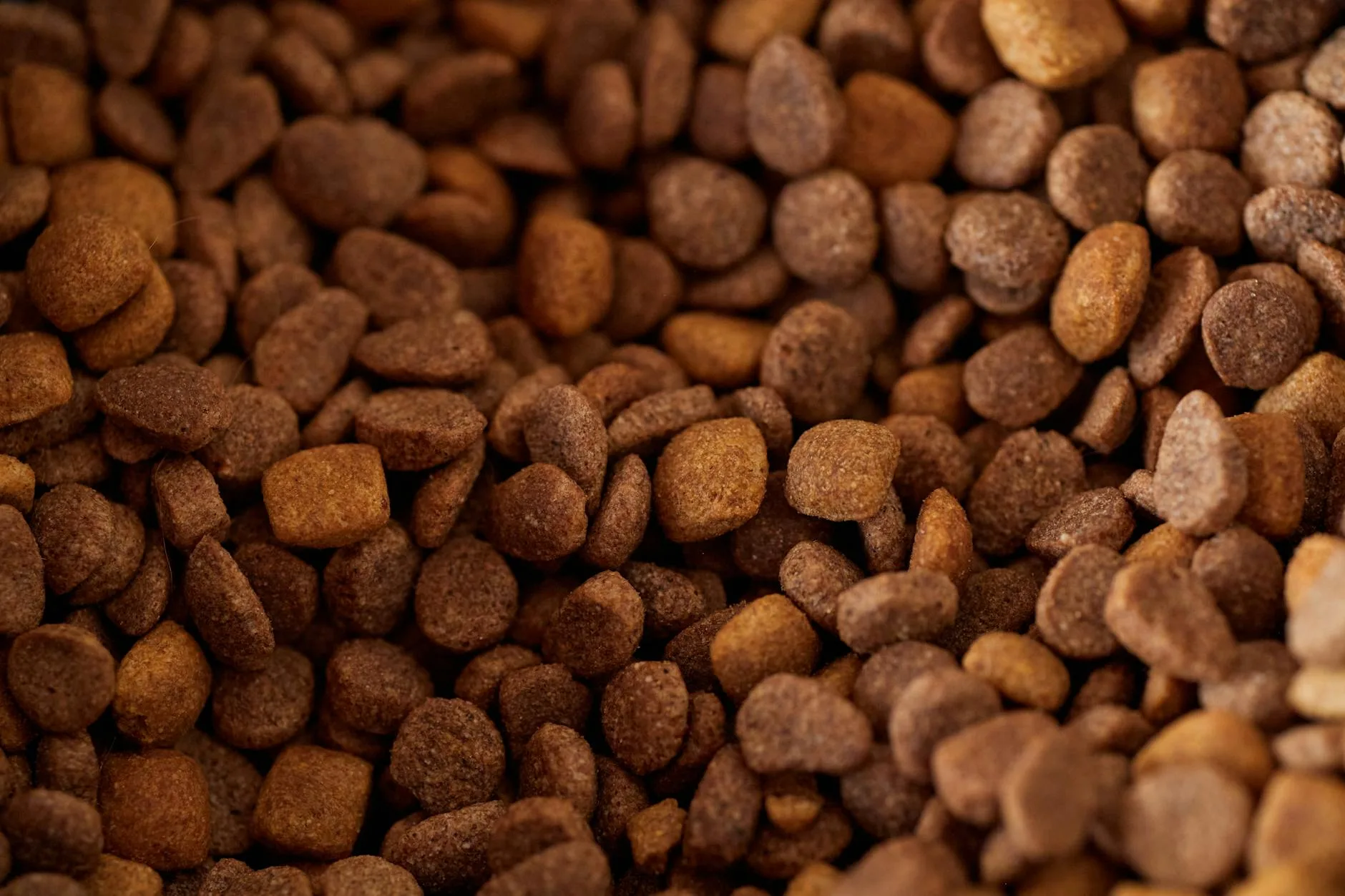
This debate runs deep in the cat owner community. The honest answer: both have their place, and most cats do best on a combination.
Wet Food Advantages
- Higher moisture content (70-80% water) — crucial for urinary tract health. Cats evolved as desert animals and have a low thirst drive. Wet food is the easiest way to keep them hydrated
- Higher meat content — gram for gram, wet food typically contains more animal protein
- More palatable — the majority of cats prefer wet food over dry
- Lower calorie density — harder to overfeed, which helps with weight management
Dry Food Advantages
- Convenience — doesn’t spoil when left out, so you can free-feed (though we don’t recommend this for most cats)
- Cost effective — cheaper per serving than equivalent-quality wet food
- Dental benefits — the crunching action provides some mechanical tooth cleaning (though this is often overstated)
- Easy to measure — simple to control portions and track intake
Our Recommendation
Feed primarily wet food (70-80% of daily calories) supplemented with a small portion of dry food (20-30%). This gives you the hydration and protein benefits of wet food with the convenience and dental benefits of dry. Our Best Puppy Food 2026 UK: From Weaning to 12 Months guide is useful alongside this.
A typical daily split for a 4kg adult cat:
- Morning: 1 pouch or tin of wet food (about 85g)
- Evening: 1 pouch or tin of wet food (about 85g)
- Dry food available: about 20-25g of quality kibble in a bowl or puzzle feeder
How to Read Cat Food Labels
The Ingredient Order Rule
Ingredients are listed by weight in descending order. The first ingredient makes up the largest proportion. If “cereals” appears before “chicken,” there’s more grain than meat. If “meat and animal derivatives” appears first, the primary protein is unnamed waste products.
“With Chicken” vs “Chicken Flavour” vs “Rich in Chicken”
- “Cat food with chicken” — legally requires only 4% chicken. The rest can be anything
- “Chicken flavour” — requires no chicken at all. Just flavouring
- “Rich in chicken” — requires 14-26% chicken
- “Chicken cat food” — requires 26%+ chicken
This is the biggest trick in pet food marketing. A tin with a beautiful roast chicken on the label and “with chicken” in the name may contain 96% non-chicken ingredients.
What “Complete” vs “Complementary” Means
- Complete — contains all nutrients your cat needs as a sole food source. You can feed only this and your cat will be nutritionally balanced
- Complementary — must be fed alongside a complete food. This includes most treats, broths, toppers, and some premium brands (like many Applaws varieties)
The Ash Content Question
“Ash” on a label isn’t literal ash — it’s the mineral content (calcium, phosphorus, magnesium). A figure of 6-8% is normal. Very high ash content (10%+) in dry food has been linked to urinary issues in some cats. For cats prone to urinary crystals, look for foods with ash under 7%.
Feeding Guidelines by Age
Kittens (0-12 Months)
- 0-4 weeks: mother’s milk only. If orphaned, kitten milk replacer (never cow’s milk)
- 4-8 weeks: gradual introduction of wet kitten food alongside milk. Mash it to a paste initially
- 8 weeks-6 months: 3-4 small meals per day of kitten-specific food (higher protein and fat than adult food)
- 6-12 months: reduce to 2-3 meals per day, still kitten food until 12 months
Adult Cats (1-7 Years)
- 2 meals per day — morning and evening is the most common schedule
- Portion based on weight — follow the pack guidelines, then adjust based on body condition. If your cat is gaining weight, reduce by 10-15%
- Fresh water always available — especially important if feeding primarily dry food
Senior Cats (7+ Years)
- Switch to senior formula — reduced calories, joint-supporting supplements, easier-to-digest proteins
- Consider more frequent smaller meals — 3 times daily instead of 2, as older cats process food less efficiently
- Increase wet food proportion — senior cats are more prone to kidney issues, and hydration becomes more important
- Monitor weight closely — both weight gain and sudden weight loss are red flags in older cats
Common Cat Food Mistakes
Free-Feeding Dry Food
Leaving a bowl of kibble out all day leads to overeating in most cats. Indoor cats with unlimited food access have obesity rates over 50% in the UK. Measured portions at set times give you control over intake.
Switching Foods Too Quickly
Cats have sensitive digestive systems. Switching brands overnight causes diarrhoea, vomiting, or food refusal. Always transition over 7-10 days:
- Days 1-2: 75% old food, 25% new food
- Days 3-4: 50% old food, 50% new food
- Days 5-6: 25% old food, 75% new food
- Days 7+: 100% new food
Feeding Dog Food to Cats
Dog food is not suitable for cats. Cats require taurine (an amino acid) that dogs produce naturally but cats cannot. Dog food doesn’t contain enough taurine, and deficiency causes blindness and heart failure. Never substitute. We cover a similar decision in Butternut Box vs Different Dog vs Pure: Fresh Dog Food Compared.
Giving Cow’s Milk
Most adult cats are lactose intolerant. Cow’s milk causes diarrhoea. If your cat loves milk, buy cat-specific milk (lactose-free) from the pet food aisle.
Ignoring Dental Health
Wet food alone doesn’t clean teeth. If you feed primarily wet food, add dental treats or brush your cat’s teeth weekly. Our guide to choosing healthy treats includes dental options.
Brands We Tested but Don’t Recommend
Whiskas
The UK’s best-selling cat food, but the ingredient quality doesn’t justify even its low price. “Meat and animal derivatives” as the primary protein, high cereal content, and added sugars in some products. Your cat will eat it — cats love the taste — but nutritionally it’s the bottom of the barrel.
Go-Cat
Even worse than Whiskas on ingredient quality. Cereals are the first ingredient in most Go-Cat products, meaning there’s more grain than meat. For a carnivore, that’s the equivalent of feeding a human a diet that’s mostly cardboard with some protein powder sprinkled on top.
Sheba
Better ingredients than Whiskas and Go-Cat, but still relies heavily on “meat and animal derivatives.” The marketing positions it as premium, and the price reflects that positioning, but the ingredient list doesn’t match brands like Lily’s Kitchen or Applaws at similar price points.
Gourmet (Purina)
Similar story to Sheba — premium branding, mid-range ingredients. The individual portion trays are convenient but generate enormous plastic waste, and the food itself is fine rather than exceptional.
Frequently Asked Questions
How much should I feed my cat per day? An average 4kg adult cat needs about 200-250 calories per day, which translates to roughly 2 pouches of wet food plus 20-25g of dry food. Adjust based on your cat’s weight, activity level, and body condition. If you can’t feel their ribs easily, they’re probably overfed.
Is grain-free cat food better? Cats are obligate carnivores with no nutritional need for grains, so grain-free foods are closer to their natural diet. However, a moderate amount of grain isn’t harmful — it’s mostly a cost filler. The meat content and quality matters more than whether grains are present or absent.
Should I feed wet or dry cat food? Ideally both. Wet food provides essential hydration and higher protein. Dry food offers convenience and some dental benefits. A split of 70-80% wet and 20-30% dry works well for most cats. If your cat has urinary tract issues, prioritise wet food for the additional moisture.
Why does my cat refuse expensive cat food? Cats develop strong flavour preferences based on what they ate as kittens. Premium foods with higher meat content and fewer flavour enhancers taste different from processed budget brands. Transition gradually over 7-10 days, mixing increasing amounts of the new food with the old.
How do I know if my cat’s food is causing health problems? Signs of dietary issues include persistent diarrhoea or constipation, vomiting more than once a week, dull or patchy coat, excessive scratching without fleas, and sudden weight changes. If any of these persist for more than 2 weeks after switching food, consult your vet.