You’re in the pet aisle at Pets at Home, turning over a bag of dog treats, and the ingredients list reads like a chemistry textbook. Cereals, derivatives of vegetable origin, various sugars, EC permitted additives — and somewhere in tiny print, the actual meat content: 4%. The Pet Food Manufacturers’ Association (PFMA) sets out the labelling rules that govern these ingredient lists. Your dog would eat a shoe if you let them, so they’re not going to be fussy. But you should be.
The UK dog treat market is awash with products that look wholesome on the front of the packet and tell a very different story on the back. Colourful packaging, words like “natural” and “wholesome,” a picture of a golden retriever looking thrilled — none of it means the treat is good for your dog. This healthy dog treats guide breaks down what actually matters when you’re choosing treats, how to read labels without a food science degree, and which ingredients to avoid entirely.
Why Most Dog Treats Are Basically Junk Food
Here’s an uncomfortable truth: the majority of dog treats sold in UK supermarkets and pet shops are the canine equivalent of crisps and sweets. They’re designed to be cheap to produce, have a long shelf life, and smell appealing enough that your dog goes mad for them. Health doesn’t factor into it.
The problem is that treats add up. If you’re training a puppy and using 20-30 small treats per session, or handing out dental sticks daily, or giving your dog a chew every time you leave the house — treats can account for 20-30% of their daily calorie intake. That’s not a snack. That’s a significant portion of their diet, and it matters what’s in it.
A 2024 study by the Royal Veterinary College found that over 50% of UK dogs are overweight or obese. Treats are a major contributor, not because dog owners are careless, but because it’s genuinely hard to tell a good treat from a bad one when the packaging is deliberately misleading.
How to Read a Dog Treat Label (Without Losing Your Mind)
The ingredients list is where the truth lives, and in the UK, pet food labelling follows EU-derived regulations that allow some creative ambiguity. Here’s what to look for:
- Named meat as the first ingredient — “chicken breast” or “lamb liver” is good. “Meat and animal derivatives” is a red flag — it means any part of any animal, and the composition can change between batches
- Short ingredients list — the best treats have 1-5 ingredients. If there are 15+ items, most of them exist for the manufacturer’s benefit, not your dog’s
- No added sugars — listed as sugar, molasses, caramel, syrup, or glucose. Dogs don’t need sugar. It’s there to make the treat smell appealing and improve colour
- No artificial colours or preservatives — E-numbers like E102, E110, E320 (BHA), E321 (BHT). These have no nutritional value and some are linked to health concerns
- Actual percentage declarations — good manufacturers tell you “85% chicken.” Vague ones say “with chicken” which legally means as little as 4%
- Crude protein and fat percentages — look at the analytical constituents. Higher protein (above 20%) with moderate fat (under 15%) is a reasonable benchmark for most treats
One thing worth knowing: “complementary pet food” on the label means it’s a treat or topper, not a complete meal. That’s fine for treats — just don’t let anyone convince you a bag of dental sticks is a balanced diet.
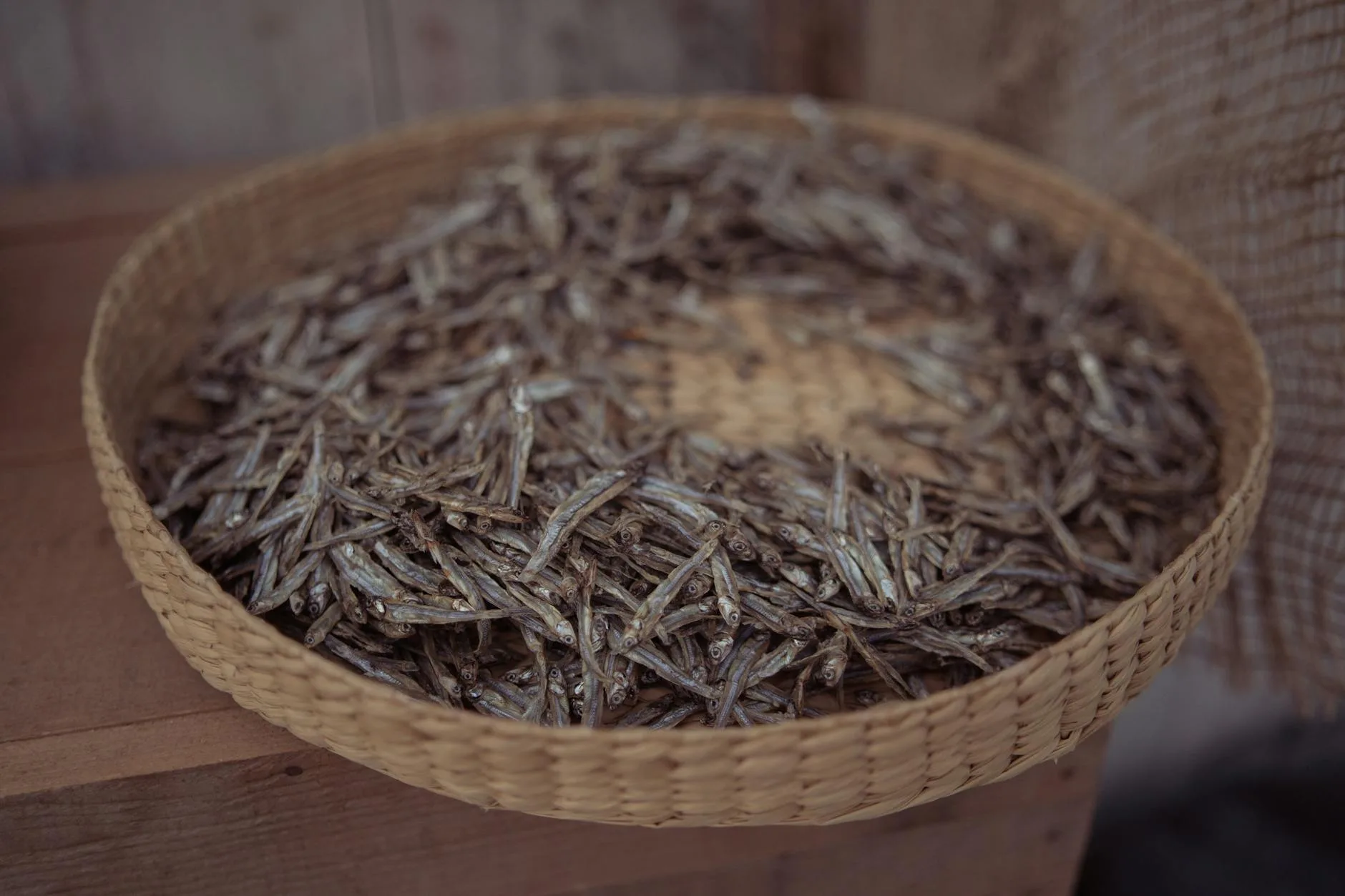
Single-Ingredient Treats: The Gold Standard
If you want to keep things simple, single-ingredient treats are the safest bet. One ingredient. No additives. No mystery.
Popular options you’ll find in UK shops and online:
- Dried sprats or whitebait — high in omega-3, low in calories, about £4-6 for 100g from most pet shops. Dogs go mad for these, though your hands will smell of fish for the rest of the day
- Freeze-dried liver — chicken, lamb, or beef liver, freeze-dried with nothing added. Around £5-8 for 100g. Crumbles easily for training, packed with protein
- Dried sweet potato slices — a good low-fat option for dogs watching their weight. About £3-5 per bag. Chewy texture keeps them occupied
- Dehydrated chicken or duck feet — sounds grim, looks grim, dogs adore them. Natural source of glucosamine for joints. £5-8 for a pack of 10-12
- Air-dried venison or rabbit — leaner proteins, great for dogs with sensitivities to chicken or beef. Pricier at £8-12 for 100g, but you’re paying for quality
These treats work brilliantly alongside a proper feeding regime. If you’re exploring raw diets, our raw feeding guide for UK beginners covers how treats fit into that approach.
What “Natural” and “Grain-Free” Actually Mean
Two words that appear on seemingly every treat packet in the UK, and neither means what most people think.
“Natural” has a legal definition under FEDIAF guidelines — it means the ingredients haven’t been chemically synthesised. But it doesn’t mean organic, ethically sourced, or even particularly healthy. Sugar is natural. Lard is natural. A treat can be 100% natural and still be nutritionally poor.
“Grain-free” became popular after the grain-free trend in human food crossed over to pets. For dogs with a confirmed grain allergy or intolerance (which is actually quite rare — most food sensitivities in dogs are to proteins like chicken or beef, not grains), grain-free makes sense. For everyone else, it’s marketing. Some grain-free treats substitute grains with potato or tapioca starch, which can be higher in calories with less nutritional benefit. For a related angle, see our Grain-Free Dog Food: Is It Actually Better? guide.
The takeaway: ignore the front-of-pack claims and go straight to the ingredients list. Every time.
Treats for Training: What Works Best
Training treats need to be small, soft, high-value, and quick to eat. Your dog should swallow it in under two seconds — if they’re standing there chewing for 30 seconds, you’ve lost the training moment.
What works well:
- Small cubes of cooked chicken or cheese — the classic. Cheap, effective, and most dogs find them irresistible. Cut them tiny — pea-sized for medium dogs, half that for small breeds
- Commercial training treats — brands like Lily’s Kitchen Training Treats (about £3.50 for 70g) or Forthglade Soft Bite Treats (around £3 for 90g) are decent options with named meat and short ingredients lists
- Freeze-dried raw pieces — brands like Natural Instinct or Nutriment sell training-sized pieces. Around £6-9 per pouch. Slightly pricier but very high value for fussy dogs
What doesn’t work:
- Hard biscuit treats — too slow to eat, crumbs go everywhere, dog gets distracted hoovering up bits off the ground
- Dental sticks — too large, too chewy, designed for a different purpose entirely
- Anything that needs breaking up — if you’re stood there snapping treats in half while your dog loses interest, the treat isn’t fit for purpose
A good rule of thumb: buy the smallest training treats you can find, or make your own by cutting boiled chicken breast into 5mm cubes. A single chicken breast gives you hundreds of treats for well under £2. Our Best Dog Beds 2026: UK Tested for Every Breed Size guide is useful alongside this.
Dental Treats: Do They Actually Work?
The short answer: some do, most don’t, and none replace actual tooth brushing.
The Veterinary Oral Health Council (VOHC) maintains a list of products with proven plaque-reducing efficacy. In the UK, that includes a few specific dental chews — but not the majority of products marketed as “dental.” Just because a treat is shaped like a toothbrush or says “dental care” on the packet doesn’t mean it does anything for your dog’s teeth.
What the evidence supports:
- VOHC-approved dental chews — these have been independently tested and shown to reduce plaque or tartar. Check the VOHC website for the current approved list
- Raw bones — recreational raw bones (not cooked, never cooked — cooked bones splinter) can help scrape plaque. Supervision is essential, and they’re not suitable for all dogs
- Dental-specific diets — some veterinary diets have kibble designed to mechanically clean teeth. These are prescription products from your vet
What doesn’t have strong evidence:
- Most supermarket dental sticks — including some very popular brands. They’re often high in calories (one large dental stick can be 300+ calories) with limited dental benefit
- Dental sprays and water additives — limited evidence, though some dogs won’t tolerate brushing so these become a “better than nothing” option
If you’re serious about your dog’s dental health, brushing is the gold standard. Our guide on how to brush your dog’s teeth at home walks you through the whole process — it’s easier than you think once you’ve built the habit. We cover a similar decision in Best Puppy Food 2026 UK: From Weaning to 12 Months.
Treats for Dogs With Allergies or Sensitive Stomachs
Food sensitivities are one of the most common reasons dog owners start scrutinising treat ingredients. If your dog has itchy skin, ear infections, or recurring digestive upsets, treats are often the culprit — because owners carefully manage the main diet but forget that treats introduce different proteins and additives.
The approach that works:
- Stick to novel proteins — if your dog is sensitive to chicken (the most common protein sensitivity in UK dogs), switch to treats made from venison, duck, rabbit, or fish. These are proteins your dog’s immune system hasn’t built a reaction to
- Elimination before addition — if you’re doing a food trial with your vet, treats must match the trial diet. A single chicken-based treat during a fish-and-potato elimination diet invalidates the whole thing
- Avoid multi-protein treats — treats listing “meat and animal derivatives” are a nightmare for allergy management because you can’t control what’s in them
- Check for hidden allergens — wheat gluten is used as a binder in many treats. If your dog has a confirmed wheat sensitivity, even a “chicken treat” with wheat flour as the third ingredient will cause problems
Brands worth looking at for sensitive dogs include JR Pet Products (single-ingredient range), Skinner’s (Field & Trial treats, around £4 per bag), and Fish4Dogs (fish-based, about £5-7). All are widely available from UK pet shops and online retailers. For independent guidance, check PDSA dog diet advice.
How Many Treats Per Day? Getting the Balance Right
The standard veterinary advice is that treats should make up no more than 10% of your dog’s daily calorie intake. That sounds simple enough until you try to calculate it.
A rough guide:
- Small breeds (under 10kg) — daily calorie needs around 200-400 kcal. That’s a treat budget of 20-40 kcal — roughly 4-6 small training treats or one small chew
- Medium breeds (10-25kg) — daily needs around 400-800 kcal. Treat budget 40-80 kcal — about 8-12 small training treats
- Large breeds (25kg+) — daily needs 800-1500+ kcal. Treat budget 80-150 kcal — more room, but large dogs often get larger treats that pack in the calories
The mistake most owners make is not counting treats as food. If your dog gets a dental stick (200 kcal), a handful of training treats (80 kcal), and a bedtime biscuit (50 kcal), that’s 330 calories — nearly half the daily intake for a small dog. Reduce their main meal accordingly, or you’ll wonder why the vet keeps mentioning their weight.
If you’re using a lot of treats for training, consider taking a portion of your dog’s daily kibble allowance and using that as training treats. It’s not as exciting as chicken, but for basic reinforcement it works fine and keeps calories in check.
Treats to Avoid Entirely
Some treats sold legally in the UK have known safety concerns. Worth knowing:
- Rawhide — poorly regulated, often preserved with chemicals, and a choking hazard when it softens into large gummy pieces. The British Veterinary Association has flagged concerns. There are better chew options
- Imported jerky treats with vague sourcing — the FDA (US) investigated thousands of reports of illness linked to jerky treats imported from China between 2007-2015. Buy British-made or clearly sourced
- Cooked bones — cooking changes the bone structure, making them brittle and prone to splintering. Splinters can puncture the digestive tract. Raw bones under supervision are fine; cooked bones are never safe
- Xylitol-containing products — this sweetener is toxic to dogs even in small amounts. It’s found in some peanut butters and sugar-free products marketed to humans but sometimes used in pet products. Always check
- Treats with excessive salt — some commercial treats contain surprising amounts of sodium. Dogs need very little salt, and excess puts strain on the kidneys over time

Where to Buy Good Treats in the UK
You don’t have to spend a fortune, but you do need to look beyond the supermarket pet aisle.
- Independent pet shops — often stock smaller UK brands with better ingredients than the mass-market options. The staff usually know their products and can recommend based on your dog’s needs
- Online specialists — Zooplus, Pet Drugs Online, and direct-from-manufacturer sites often have the best range. Buying in bulk online brings the cost per treat down considerably
- Pets at Home — their “Wainwright’s” own brand is decent, with named meats and no artificial additives. Around £3-5 per bag. Not the best available, but leagues ahead of most supermarket options
- Farm shops and butchers — some sell offcuts and bones suitable for dogs. Pig ears, chicken necks, and lamb ribs from a local butcher are fresh, single-ingredient, and cheap
- Make your own — dehydrated sweet potato, dried liver pieces, or frozen banana chunks are all easy to prepare at home. A food dehydrator (about £30-50 from Argos or Amazon UK) opens up a huge range of homemade treat options
Reading Beyond the Marketing
The pet food industry in the UK is worth over £3 billion annually, and a significant chunk of that is treats. Companies invest heavily in packaging design, influencer partnerships, and emotional marketing — because it works. A bag with a happy dog, earthy colours, and the word “natural” sells, regardless of what’s inside.
Your best defence is the ingredients list. It takes 10 seconds to flip the bag over and scan the first three ingredients. If the first ingredient is a named meat, the list is short, and there’s no added sugar — you’re probably looking at a reasonable treat. If the first ingredient is “cereals” or “derivatives,” put it back.
The price premium for properly good treats over cheap ones is surprisingly small. You might pay £5-7 instead of £2-3, but you use fewer per day (higher value means your dog is satisfied with less), and you avoid the vet bills that come from poor nutrition, weight gain, and dental problems down the line.
Your dog doesn’t care about the packaging. They care about the smell, the taste, and whether you’re handing it over with a smile. Make sure what’s inside the bag deserves that enthusiasm.
Frequently Asked Questions
How do I choose the right food for my dog? Match the food to your dog’s age, size, activity level and any vet advice. Change diets gradually over 7-10 days to avoid stomach upsets.
Are premium dog foods always better? Not always. Look for complete nutrition, clear ingredients and whether your dog does well on it. Price alone is not a reliable quality signal.
How many treats should a dog have? Treats should stay under about 10% of daily calories. Use smaller pieces for training so rewards do not quietly become overfeeding.