You’ve brought the puppy home, the crate’s set up, the toys are scattered everywhere, and now you’re standing in the pet food aisle staring at 40 different bags all claiming to be “vet recommended” and “specially formulated.” Half of them cost more per kilo than your own dinner. The other half have ingredient lists that read like a chemistry exam. Your eight-week-old Labrador doesn’t care — she just wants to eat everything, including your shoes. But what you feed her in these first 12 months genuinely shapes her health for life.
In This Article
- Why Puppy Food Is Different from Adult Dog Food
- Our Top Pick for Most Puppies
- What to Look for in Puppy Food
- Best Puppy Food Brands in the UK
- Wet vs Dry Puppy Food
- Feeding by Age: Weaning to 12 Months
- Breed Size Matters More Than You Think
- Raw and Fresh Food Options for Puppies
- Common Puppy Feeding Mistakes
- How to Switch Puppy Food Without Stomach Upset
- Frequently Asked Questions
Why Puppy Food Is Different from Adult Dog Food
It’s not just marketing — puppies do need different nutrition from adults. Their bodies are building bone, muscle, organs, and immune systems at a furious rate, and the fuel they need is specific.
The Nutritional Differences
- Higher protein — puppies need 25-30% protein compared to 18-25% for adults, to support muscle and tissue development
- More fat — growing bodies need calorie-dense food, and fat provides more than twice the energy of protein or carbohydrate per gram
- Controlled calcium and phosphorus — this is the big one. Too much calcium in large-breed puppies can cause skeletal problems. Too little in any breed stunts bone development. The ratio matters as much as the amount
- DHA — an omega-3 fatty acid critical for brain and eye development. Look for it from fish oil or fish meal sources
- Smaller kibble size — puppy mouths are tiny. Adult-sized kibble is harder to chew and can be a choking risk
The PDSA recommends choosing a complete food formulated for puppies, and UK puppy foods must meet specific higher nutritional standards for growth.
Our Top Pick for Most Puppies
If you want one recommendation and you’re not fussed about reading the rest — Purina Pro Plan Puppy is the one we’d buy. It’s backed by proper nutritional science, uses named meat sources (chicken or salmon), includes DHA from fish oil for brain development, and comes in breed-size-specific formulas. About £45-55 for a 12 kg bag from Pets at Home or Amazon UK, which works out at roughly £3-4 per day for a medium-breed puppy.
It’s not the cheapest, and it’s not the trendiest. But vets consistently recommend it, owners report solid stools and good coat condition, and it’s been reformulated multiple times based on actual feeding trials rather than just lab analysis. For most puppies, it does the job properly without overcomplicating things.
What to Look for in Puppy Food
Named Meat Sources
The first ingredient should be a named protein — “chicken,” “salmon,” or “lamb,” not “meat and animal derivatives.” That vague phrasing means the manufacturer isn’t telling you what’s actually in the bag, and it can vary between batches. Named sources mean consistency and transparency.
Complete vs Complementary
This distinction matters enormously. “Complete” means the food provides everything your puppy needs — all vitamins, minerals, proteins, and fats in the right ratios. “Complementary” is a topper or mixer that needs something else alongside it. Always check the label. Feeding a complementary food as the sole diet leads to nutritional deficiencies fast.
FEDIAF Compliance
The European Pet Food Industry Federation (FEDIAF) sets the nutritional guidelines that UK puppy foods should meet. Look for wording like “complete food for growing dogs” or “meets FEDIAF nutritional guidelines for puppies.” This isn’t a guarantee of quality ingredients, but it confirms the nutritional profile is right for growth.
Avoid These Red Flags
- “Meat and animal derivatives” as the only protein source — too vague
- Sugar or syrup in the ingredients — purely cosmetic, makes the food look meatier
- Artificial colours (E102, E110, E129) — no nutritional value, linked to hyperactivity in some studies
- Excessive fillers — maize or wheat as the first ingredient in a premium-priced food is poor value
Best Puppy Food Brands in the UK
Premium Dry Options
- Purina Pro Plan Puppy — our top pick. Named chicken or salmon, DHA, breed-size formulas. About £45-55 for 12 kg at Pets at Home. Backed by feeding trials
- Royal Canin Puppy — breed-specific formulas down to individual breeds (Labrador Puppy, French Bulldog Puppy). Excellent for breeds with known dietary needs. About £50-65 for 12 kg. Some owners dislike the maize content, but the nutritional balance is sound
- Burns Puppy — Welsh brand, simple ingredient list, good for sensitive stomachs. Chicken and rice or fish and rice. About £40-50 for 12 kg from independent pet shops. We’ve found it particularly good for puppies that get runny tums on richer foods
- Arden Grange Puppy — chicken and rice based, no artificial colours or flavours. About £35-45 for 12 kg from Amazon UK. Solid mid-range choice
Mid-Range Dry Options
- Harringtons Puppy — good value at about £20-25 for 10 kg from supermarkets. Named turkey as the main protein. Not as refined as the premium options but a solid budget choice
- Wagg Puppy — the budget option at about £12-15 for 12 kg from Asda or B&M. Gets the job done for owners on a tight budget, though the ingredient quality is noticeably lower. Contains “meat and animal derivatives” alongside named chicken
Premium Wet Options
- Lily’s Kitchen Puppy Recipe — grain-free, human-grade ingredients, named meats. About £18-22 for 6 × 400g tins. Puppies tend to go mad for it. Expensive as a sole diet for larger breeds
- Forthglade Puppy — natural ingredients, no added sugar or artificial preservatives. About £12-16 for 12 × 395g trays from Pets at Home. Good value for wet food
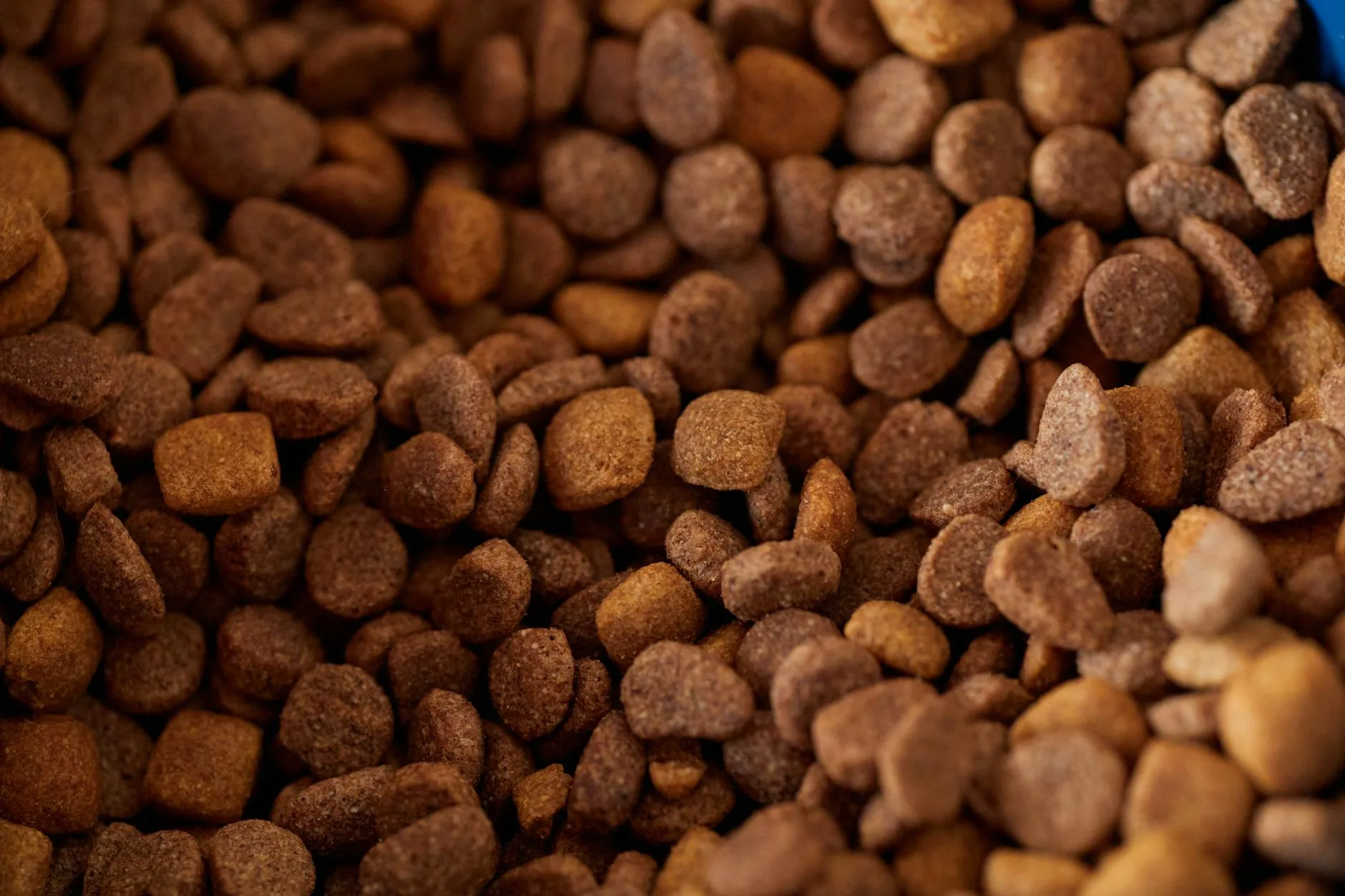
Wet vs Dry Puppy Food
This debate runs hot in puppy owner circles, and both work fine.
The Case for Dry
- Dental health — the mild abrasive action of kibble helps reduce plaque buildup, though it’s not a substitute for dental chews or brushing
- Cost-effective — gram for gram, dry food is much cheaper than wet
- Convenience — measure, pour, done. No refrigerating half-used tins
- Portion control — easier to measure precise amounts with a cup or scales
The Case for Wet
- Hydration — wet food is 70-80% moisture, which helps keep puppies hydrated. Useful if your puppy isn’t a big water drinker
- Palatability — fussy puppies almost always prefer wet food. The smell and texture are more appealing
- Easier to eat — good for very young puppies transitioning from their mother’s milk, or breeds with flat faces that struggle with kibble
The Best Approach: Mix
Most vets and nutritionists suggest mixing both. A base of dry kibble with a spoonful of wet food mixed through gives you the cost efficiency of dry with the palatability and hydration of wet. We’ve found about 75% dry to 25% wet works well for most puppies. Just make sure both are “complete” foods and factor both into the daily calorie count.
Feeding by Age: Weaning to 12 Months
3-8 Weeks: The Weaning Period
This is usually handled by the breeder. Puppies start showing interest in solid food around 3-4 weeks. The breeder introduces puppy food — typically kibble soaked in warm water or a puppy-specific wet food — alongside their mother’s milk. By 7-8 weeks, most puppies are fully weaned.
If you’re collecting a puppy at 8 weeks, ask the breeder exactly what food they’ve been using and take a bag home with you. Sudden food changes cause stomach upsets, and an 8-week-old puppy with diarrhoea in a new home is miserable for everyone.
8-16 Weeks: Settling In
Feed four meals a day, evenly spaced. Your puppy’s stomach is tiny and can’t handle large portions. Follow the feeding guide on the food packaging as a starting point, then adjust based on your puppy’s body condition — you should be able to feel ribs without pressing hard, but not see them.
This is also when you start building the feeding routine. Same times, same place, bowl down for 15 minutes then removed. Puppies that learn food is always available become fussy eaters. Puppies that learn meals happen at set times eat reliably. For a related angle, see our Best Cat Food 2026 UK: Complete Wet & Dry Brands guide.
4-6 Months: Dropping to Three Meals
Reduce to three meals a day. Total daily food amount stays roughly the same or increases slightly — you’re just splitting it into fewer, slightly larger portions. Growth rate is still rapid at this stage, especially in larger breeds. Weigh your puppy fortnightly and adjust portions based on body condition, not just the chart on the bag.
6-12 Months: Dropping to Two Meals
Most puppies can move to two meals a day from around six months. Again, total daily amount stays the same, split in two. This is the pattern most adult dogs stay on for life.
Small breeds may be ready to transition to adult food from 9-10 months. Medium breeds typically switch at 12 months. Large and giant breeds should stay on puppy food until 12-18 months — their growth period is longer and the controlled calcium levels in puppy food matter for longer.
Breed Size Matters More Than You Think
Small Breeds (Adult Weight Under 10 kg)
Chihuahuas, Yorkies, miniature dachshunds. These puppies have very fast metabolisms and tiny stomachs. They need calorie-dense food in small portions and are prone to hypoglycaemia (low blood sugar) if meals are missed. Small-breed puppy formulas have smaller kibble and higher calorie density.
Medium Breeds (10-25 kg)
Spaniels, beagles, border collies. Standard puppy food works perfectly for this group. They’re the “default” that most foods are formulated for. Growth rate is moderate and steady.
Large Breeds (25-45 kg)
Labradors, golden retrievers, German shepherds. This is where calcium and phosphorus control becomes critical. Large-breed puppy food has controlled mineral levels to prevent bones growing faster than joints can support. Overfeeding large-breed puppies — even with good food — causes just as many problems as the wrong food. Keep them lean. A slightly underweight large-breed puppy will have better joints at age 5 than an overfed one. Our Best Pet Food 2026 UK: Vet-Recommended Brands for Dogs & Cats guide is useful alongside this.
Giant Breeds (Over 45 kg)
Great Danes, mastiffs, Newfoundlands. Extended growth period — 18 months or more before they reach skeletal maturity. Giant-breed puppy food with even more carefully controlled calcium is essential. The British Veterinary Association highlights that growth-related skeletal disorders are among the most common health issues in giant breeds, and diet plays a major role.
Raw and Fresh Food Options for Puppies
Raw and fresh diets have exploded in popularity, and some owners swear by them for puppies. There are genuine benefits and genuine risks — here’s the honest picture.
Raw Feeding Puppies
Companies like Nutriment, Natural Instinct, and Natures Menu sell raw puppy formulas that are nutritionally complete. They’re typically 80% meat, 10% bone, 10% offal, plus added vitamins and minerals. Prices run about £2.50-4.00 per day for a medium-breed puppy.
The benefits owners report: firmer stools, shinier coats, better dental health, and less picky eating. The risks are real though — raw meat carries salmonella and campylobacter bacteria. This matters more in households with young children, elderly family members, or immunocompromised people. The NHS advises extra caution with raw meat handling, and the same principles apply to raw pet food.
If you’re curious about raw feeding, our complete guide to raw feeding for dogs covers everything in detail.
Fresh Cooked Options
Butternut Box, Different Dog, and Pure offer freshly cooked puppy meals delivered to your door. These avoid the raw meat handling concerns while still using whole, recognisable ingredients. Expect to pay £3-6 per day depending on breed size. We’ve covered the main fresh food brands compared separately.
The Middle Ground
If raw or fresh feels like too much commitment or cost, you can supplement a good-quality kibble with occasional raw or cooked whole foods — a raw chicken wing, some steamed vegetables, scrambled egg, tinned sardines in spring water. This gives some variety without the full complexity of a complete raw diet. We cover a similar decision in Dog Food Storage: How to Keep Kibble Fresh.

Common Puppy Feeding Mistakes
Overfeeding
The number one mistake. Puppy eyes are persuasive, and a puppy that’s always hungry feels like a puppy that isn’t getting enough. But most puppies are always hungry — it’s hardwired. Stick to the recommended portions based on expected adult weight, not current weight. Weigh food with scales rather than eyeballing it. A few extra grams per meal adds up fast over months.
Changing Food Too Quickly
Puppy digestive systems are sensitive. Switching from one food to another overnight almost guarantees a few days of loose stools or worse. Any change should happen gradually over 7-10 days, mixing increasing proportions of the new food with decreasing proportions of the old.
Feeding Adult Food Too Early
Adult food doesn’t have the right protein, fat, or mineral balance for growing puppies. Large-breed puppies on adult food miss out on the carefully controlled calcium levels that protect developing joints. Stick with puppy food until the recommended transition age for your breed size.
Too Many Treats
Training treats are essential for puppy training, but they need to count toward the daily calorie intake. If your puppy is getting 20 small treats a day during training, reduce meal portions accordingly. Some owners find their puppy gaining weight despite feeding “the right amount” — the treats are the culprit every time.
Free Feeding
Leaving food out all day sounds convenient but creates problems. You can’t monitor how much your puppy is eating, which matters for spotting illness (a puppy that suddenly stops eating needs attention). It also makes house training harder — if you don’t know when food goes in, you can’t predict when it needs to come out.
How to Switch Puppy Food Without Stomach Upset
Whether you’re transitioning from the breeder’s food to your chosen brand, or upgrading to something better, the process is the same.
The 7-Day Transition
- Days 1-2: 75% old food, 25% new food
- Days 3-4: 50% old food, 50% new food
- Days 5-6: 25% old food, 75% new food
- Day 7: 100% new food
When to Slow Down
If stools become loose at any stage, drop back to the previous ratio for a couple more days. Some puppies need 10-14 days for a full transition, and that’s perfectly normal. Puppies with sensitive stomachs — spaniels and staffies seem particularly prone — may need even longer.
Signs the New Food Doesn’t Suit
- Persistent loose stools beyond 2 weeks after full transition
- Excessive gas or bloating
- Itchy skin, ear problems, or watery eyes (possible food sensitivity)
- Refusing to eat the new food consistently
- Low energy or lethargy
If any of these persist, the food might not be right for your puppy. Try a different protein source (switch from chicken to fish, for example) before writing off a brand entirely. Some puppies are sensitive to specific proteins rather than the brand itself.
Frequently Asked Questions
How much should I feed my puppy? Follow the manufacturer’s feeding guide based on your puppy’s expected adult weight, not current weight. Weigh food with kitchen scales rather than using the cup provided — cups are notoriously inaccurate. Adjust based on body condition: you should feel ribs without pressing but not see them prominently.
When should I switch from puppy food to adult food? Small breeds (under 10 kg adult weight): 9-10 months. Medium breeds (10-25 kg): 12 months. Large breeds (25-45 kg): 12-15 months. Giant breeds (over 45 kg): 15-18 months. Your vet can confirm when your specific puppy has reached skeletal maturity.
Is grain-free puppy food better? Not necessarily. The grain-free trend was driven by human dietary preferences rather than canine nutritional science. Most puppies digest grains like rice and oats perfectly well. Some grain-free foods use high levels of legumes and potatoes instead, which the FDA has flagged as potentially linked to dilated cardiomyopathy (DCM) in dogs. Unless your puppy has a confirmed grain allergy, standard formulas are fine.
Can I feed my puppy human food? Some human foods are safe and nutritious as occasional supplements: plain cooked chicken, scrambled egg, steamed vegetables, plain rice, tinned sardines in spring water. Avoid chocolate, grapes, raisins, onions, garlic, xylitol (artificial sweetener), and cooked bones. Human food should supplement, not replace, a complete puppy food.
My puppy won’t eat — should I worry? A puppy that misses one meal isn’t usually a concern, especially if they’re active and drinking water. Puppies sometimes refuse food when teething (around 4-6 months), after vaccinations, or when settling into a new home. If your puppy refuses food for more than 24 hours, seems lethargic, or has vomiting or diarrhoea, contact your vet promptly.