You ordered a lovely waterproof coat for your Labrador from Amazon. It arrived, you wrestled it over his head, and it fits like a sleeping bag on a Jack Russell. The chest is too tight, the length is too long, and there’s a strange flap hanging off the back that doesn’t seem to attach to anything. You’re now £35 lighter with a coat that’s going straight to the charity shop.
Getting the right size in dog clothing and harnesses isn’t guesswork, but it does require actual measurements. Every brand sizes differently — a medium in Ruffwear is not a medium in Ancol, which is not a medium in whatever brand the pet shop has on sale. The only way to get a reliable fit is to measure your dog properly and match those measurements to the specific brand’s size chart.
Here’s how to do it, what measurements matter, and where most people go wrong.
In This Article
- What You’ll Need
- The Four Key Measurements
- Measuring for a Dog Coat
- Measuring for a Harness
- Measuring for a Dog Jumper or Fleece
- Breed-Specific Sizing Challenges
- Puppies and Growing Dogs
- How to Check the Fit
- Common Measuring Mistakes
- Size Charts: Why They Vary So Much
- When to Remeasure
- Frequently Asked Questions
What You’ll Need
Just two things:
- A flexible fabric tape measure — the kind used for sewing, not a rigid metal one from a toolbox. About £2 from any haberdashery or Amazon. If you don’t have one, a piece of string works — measure the string against a ruler afterwards
- A helper — measuring a wriggling dog solo is possible but having someone hold a treat in front of their nose while you measure makes life considerably easier
When to Measure
Measure when your dog is standing naturally on a flat surface. Not sitting, not lying down, not mid-zoomie. You need them calm, upright, and ideally not trying to eat the tape measure.
After a meal is usually good — they’re slightly more docile with a full stomach. Avoid measuring immediately after exercise when they’re panting and their chest is expanded.
The Four Key Measurements
Every dog coat, harness, and jumper relies on some combination of these four measurements. Take all four and write them down — you’ll refer to them repeatedly.
Back Length
The most important measurement for coats. Measure from the base of the neck (where the collar sits) to the base of the tail. Run the tape along the spine, following the natural curve of the back.
- Don’t measure to the tip of the tail — you want the base where the tail meets the body
- Keep the tape along the topline — don’t let it droop to the side
- Stand back and check — the tape should follow the same line as a well-fitting coat
Chest Girth
The most important measurement for harnesses. Measure the widest part of the chest — usually just behind the front legs. Wrap the tape around the entire ribcage and note where it meets.
- Not too tight — you should be able to slip two fingers between the tape and the dog
- Not too loose — the tape should sit against the body without gaps
- Behind the front legs — not across the shoulders, not at the waist
Neck Circumference
Measure around the base of the neck where a collar would normally sit. This matters for coats with higher necklines and for harnesses with overhead straps.
- Same two-finger rule — snug but with room to breathe
- Lower on the neck — measure where the collar sits, not up near the ears
Body Length (Underside)
Some coats and full-body garments need the underside measurement. Measure from the chest (between the front legs) to the belly (just in front of the back legs). This prevents coats from being too tight around the belly or too long, causing interference with toilet breaks.
Measuring for a Dog Coat
Coats primarily need back length and chest girth. Most UK brands — Ancol, Danish Design, Ruffwear, Equafleece — size their coats by back length first, then use chest girth to choose between sizes if your dog falls on a boundary.
Waterproof Coats
Waterproof coats need a slightly looser fit than fleeces because they sit over the dog’s natural coat (which fluffs up in cold weather). If your dog is between sizes, go up.
- Back length — match to the size chart. If your dog measures 45cm and the choices are 40cm or 50cm, go with 50cm. A slightly long coat is better than one that doesn’t cover the lower back
- Chest girth — check the maximum chest measurement for the size. Your dog’s girth should be at least 5cm less than the maximum listed
Fleece-Lined Coats
These need a snugger fit because the fleece adds bulk. Measure your dog without any existing clothing on, then match to the chart. If your dog already wears a harness under their coat, measure with the harness on to account for the added bulk.
Measuring for a Harness
Harnesses are trickier than coats because they need to fit precisely. If you’re still deciding between a harness and a collar, that’s worth settling first. Too loose and the dog can back out of it. Too tight and it restricts movement, rubs, and can cause sores. For a related angle, see our Best Cat Carriers 2026 UK: Soft, Hard & Backpack Style guide.
Front-Clip Harnesses
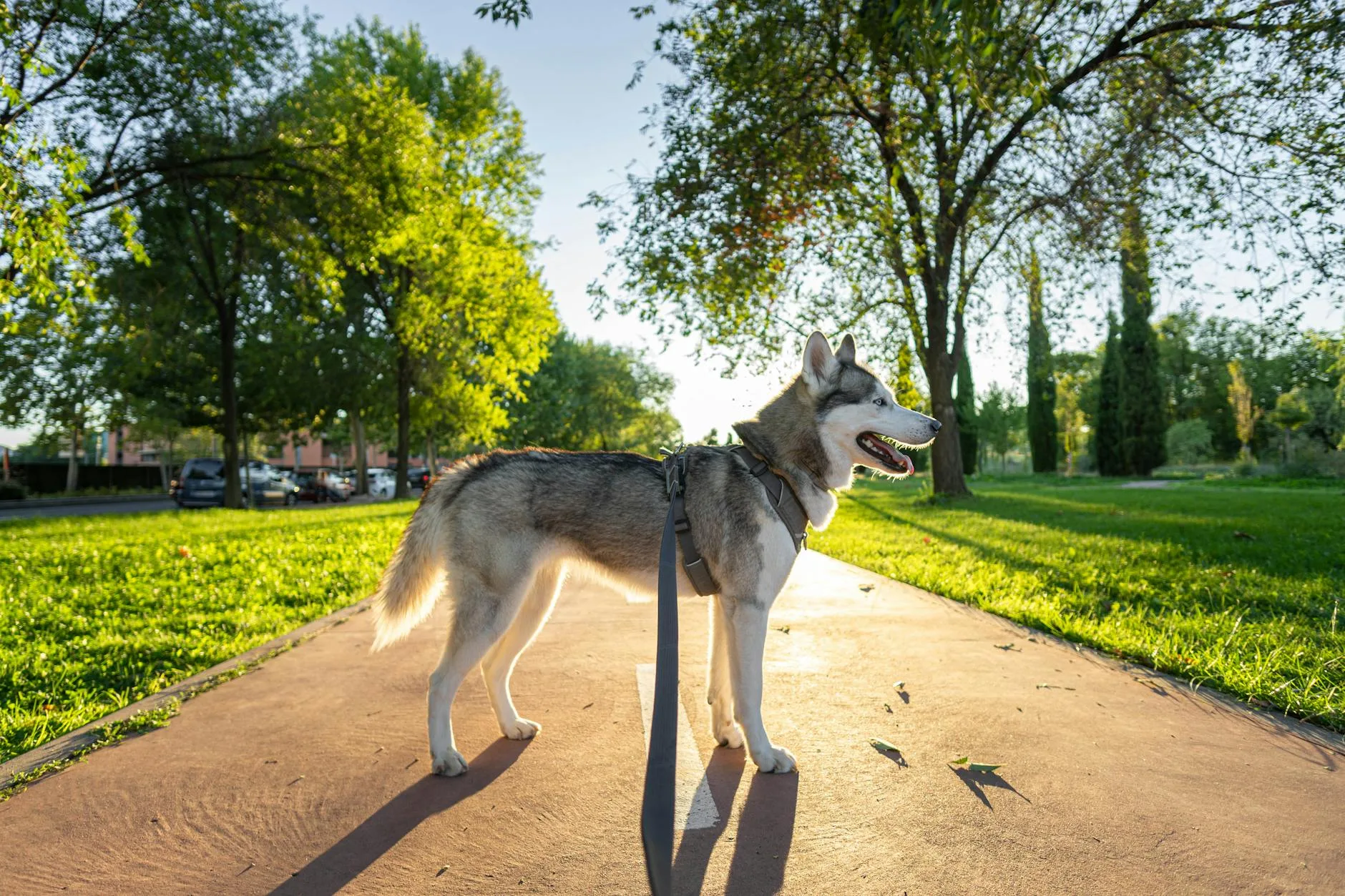
These have the lead attachment on the chest. They rely heavily on chest girth for sizing. Measure the widest point of the chest and match to the brand’s chart.
Back-Clip Harnesses
Lead attachment on the back, between the shoulder blades. These need both chest girth and neck circumference. The neck loop needs to sit without rubbing against the windpipe.
Step-In Harnesses
These wrap around from underneath and typically need chest girth plus an underside measurement. The dog steps into two loops and you clip them together on the back.
The Fit Test
Once the harness is on:
- Two-finger test everywhere — you should be able to slide two flat fingers between any strap and the dog’s body
- Movement check — watch the dog walk. The harness shouldn’t shift, ride up, or rub behind the front legs
- Sit and lie test — the harness should stay in place when the dog sits and lies down. If it bunches or shifts, it’s the wrong size
The PDSA’s dog care advice recommends regularly checking that harnesses and collars aren’t too tight, especially on growing dogs.
Measuring for a Dog Jumper or Fleece
Jumpers and fleeces need more measurements than coats because they fit more closely to the body.
Key Measurements for Jumpers
- Back length — neck to tail base
- Chest girth — widest point
- Neck circumference — where the neckline will sit
- Front leg opening — measure the circumference of the front leg where it meets the body. Too small and it restricts movement. Too large and the jumper rides up
Breed-Specific Brands
Some brands specialise in specific body types:
- Equafleece — excellent for deep-chested breeds (Whippets, Greyhounds, Lurchers). Their sizing accounts for narrow waists and deep rib cages
- Ruffwear — designed for active, athletic builds. Good for working breeds and dogs who exercise hard
- Ginger Ted — wider sizing for chunkier builds. Good for Staffies, Bulldogs, and similar barrel-chested breeds
Breed-Specific Sizing Challenges
Standard sizing charts assume a roughly proportional dog shape. Many breeds laugh at this assumption.
Deep-Chested Breeds
Whippets, Greyhounds, Lurchers, Dobermanns. These dogs have enormous chest girths relative to their body length and neck size. A coat that fits their chest is often far too long. A coat that fits their length leaves the chest exposed.
Solution: look for brands that offer breed-specific sizing or adjustable coats. Equafleece is the gold standard for sighthounds in the UK.
Short-Legged Breeds
Dachshunds, Basset Hounds, Corgis. Standard coats hang too low and drag on the ground. Back length measurements need to account for the lower ground clearance.
Solution: specialist brands like Doodlebone offer short-legged fits. Alternatively, measure back length accurately and choose a coat specifically designed for low-slung breeds.
Barrel-Chested Breeds
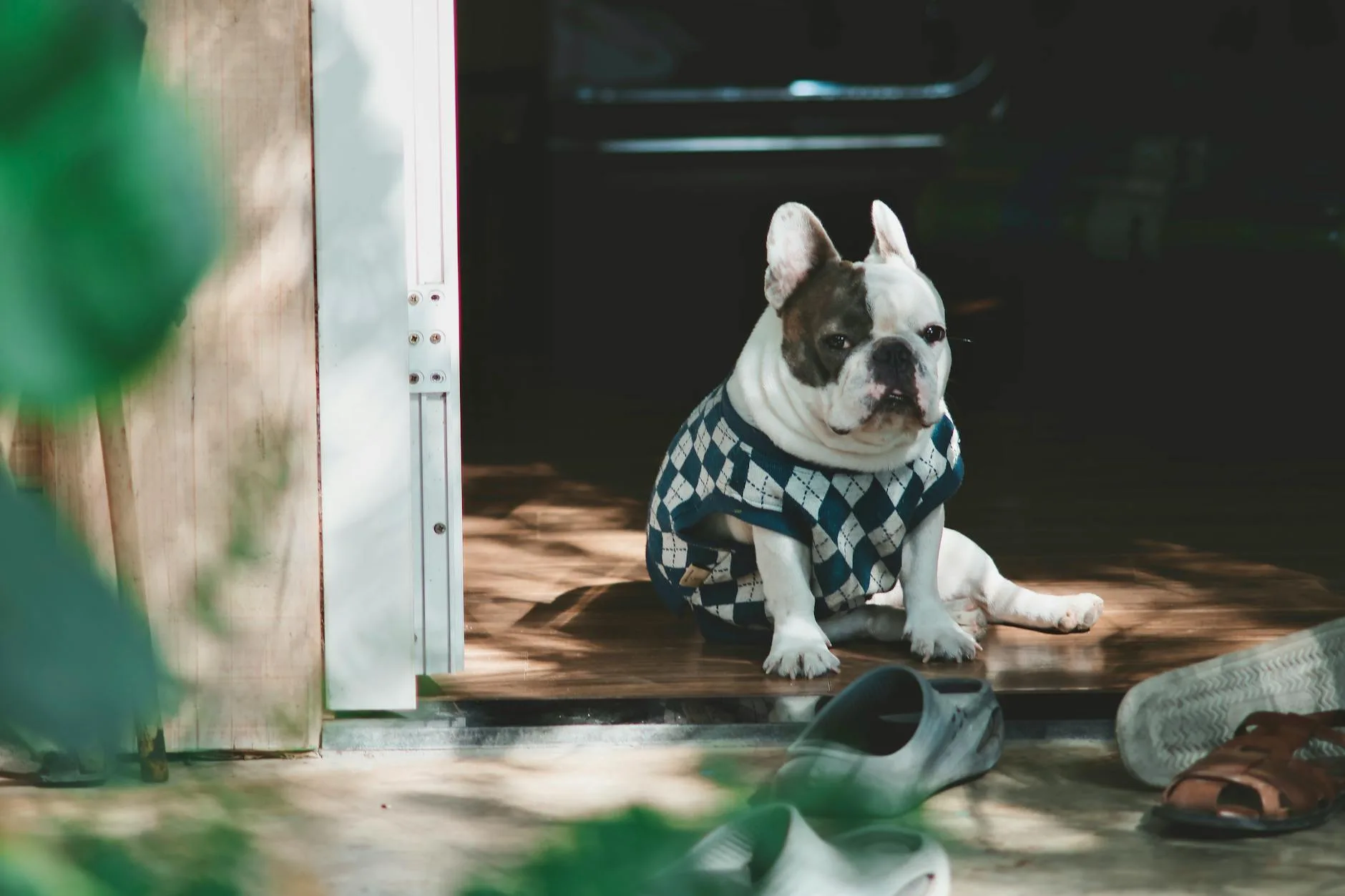
Bulldogs, Pugs, French Bulldogs, Staffies. Massive chest girth, short back length, thick necks. They’re basically square. Standard sizing gives them a coat that fits the chest but trails behind them like a cape.
Solution: measure chest girth first and prioritise that over back length. A slightly short coat with a proper chest fit is more functional than a full-length coat that’s too tight.
Double-Coated Breeds
Huskies, Samoyeds, Malamutes, Golden Retrievers. Their thick undercoat adds bulk that varies seasonally. Measurements taken in summer (after shedding) will be smaller than winter measurements with full coat.
Solution: measure during the season you’ll primarily use the garment. For a winter coat, measure with winter coat. For a cooling vest, measure in summer.
Puppies and Growing Dogs
The Growth Problem
A puppy at 12 weeks will roughly double in size by 6 months and may triple by 12 months (depending on breed). Buying expensive coats and harnesses for a growing puppy is like buying a child school shoes — they’ll grow out of them before they wear them out.
Practical Advice
- Harnesses: buy adjustable — brands like Julius-K9 and Ruffwear offer wide adjustment ranges that grow with the puppy. Worth the higher upfront cost
- Coats: buy cheap and replace — budget coats from Pets at Home or Amazon for the growing phase. Save the Equafleece or Ruffwear for when they reach adult size. A good dog toy is a better investment at this stage than premium clothing
- Remeasure monthly — puppies grow fast. What fit last month might not fit this month
When Do Dogs Stop Growing?
- Small breeds (under 10kg adult weight) — roughly 10-12 months
- Medium breeds (10-25kg) — roughly 12-15 months
- Large breeds (25-45kg) — roughly 15-18 months
- Giant breeds (over 45kg) — 18-24 months
How to Check the Fit
You’ve ordered the garment, it’s arrived, and you need to know if it’s right. Here’s the checklist:
Coat Fit Checklist
- Can your dog walk normally? Watch them move. If the coat restricts their gait, it’s too tight somewhere
- Does it cover the back without trailing? The hem should stop at the base of the tail, not hang over it
- Two-finger test at the chest — snug but not tight
- Check the belly strap — if the coat has one, it should sit behind the elbows without rubbing
- Watch for rubbing — behind the front legs is the most common rub point. Red skin after 10 minutes means the fit is wrong
- Can they toilet without interference? The coat shouldn’t cover the areas they need for bathroom breaks
Harness Fit Checklist
- No gap at the top — the back panel should sit flat, not arch up like a bridge
- Chest plate centred — not twisted to one side
- Straps behind the front legs — not across them
- No chafing marks — check after the first walk for any red patches
- Escape test — gently pull backward on the harness. If the dog can back out, it’s too loose
Common Measuring Mistakes
Measuring Over Thick Fur Without Pressing Down
Fluffy breeds need the tape measure pressed gently through the coat to measure the body, not the fur. A Pomeranian’s chest girth can vary by 10cm depending on whether you measure the fluff or the actual ribcage. Our Best Cat Flea Treatments 2026 UK: Spot-On & Oral guide is useful alongside this.
Only Taking One Measurement
“He’s a medium” is not a measurement. Take all four key measurements every time you buy from a new brand. A dog that’s a medium in Ruffwear might be a large in Ancol.
Measuring a Moving Dog
A dog that’s walking, wagging, or trying to investigate the tape measure will give inconsistent readings. Get them standing still. Treats help. If they won’t stay still, measure the same dimension three times and take the average.
Forgetting to Account for Fur Growth
A Border Collie measured in July (after a summer trim) will need a different size than the same dog measured in December with a full winter coat. Measure for the season you’re buying for.
Using Small/Medium/Large Without Checking Charts
Size names are meaningless across brands. A medium in one brand is a large in another. Always check the actual measurements on the size chart. According to the Kennel Club, a properly fitted coat should cover from the base of the neck to the tail without restricting movement. We cover a similar decision in Dog Poo Bags: Biodegradable vs Compostable vs Standard.
Size Charts: Why They Vary So Much
No Universal Standard
Unlike human clothing (where a UK 12 means roughly the same thing everywhere), dog clothing has no universal sizing standard. Each brand creates its own size chart based on their target breed profiles.
European vs UK Sizing
Some brands (Julius-K9, Hurtta) use European sizing that runs differently from UK brands. Always check whether measurements are in centimetres or inches, and whether the chart shows the garment dimensions or the dog dimensions.
Weight-Based Sizing Is Useless
Some brands list sizes by weight (“10-15kg = Medium”). Ignore this. A 12kg Whippet and a 12kg Pug have radically different body shapes. Weight tells you nothing about fit. Always use the tape measurement dimensions.
When to Remeasure
- After significant weight change — gain or loss of more than 10% body weight
- Seasonal coat changes — double-coated breeds in summer vs winter
- After surgery or illness — muscle loss affects fit, especially around the chest
- Annually for adult dogs — bodies change with age. Senior dogs often lose muscle mass and gain weight around the middle
- Every 2-4 weeks for puppies — they grow faster than you think
Frequently Asked Questions
Should I measure my dog with their collar on or off? Off, unless you’re measuring specifically for something that fits over the collar. For harnesses, measure without the collar since the harness replaces it for walks. For coats, measure without the collar but check that the coat’s neckline works with the collar on if your dog wears both simultaneously.
My dog is between two sizes — should I go up or down? Almost always go up. A slightly loose coat can be adjusted with belly straps or layered with a jumper underneath. A too-tight coat restricts movement, causes rubbing, and often can’t be returned once the dog has worn it. The only exception is harnesses for escape-prone dogs, where a snugger fit (within the two-finger test limits) is safer.
Can I measure my dog while they’re lying down? No. Measurements taken while lying down are inaccurate — the chest spreads, the back length changes, and the neck angle is different. Always measure with the dog standing naturally on a flat surface. If your dog won’t stand, try measuring on a grooming table or elevated surface where they’re more likely to stay upright.
Do I need to measure differently for a cooling coat vs a winter coat? Yes. Cooling coats work by being soaked in water and allowing evaporation, so they need a snug fit for maximum skin contact. Measure without any undercoat bulk. Winter coats need a slightly looser fit to accommodate natural coat puffiness and, if applicable, a fleece layer underneath.
How do I measure a dog that hates being touched with a tape measure? Use a piece of soft string instead — it’s less threatening than a rigid tape. Drape it around the measurement point, mark where it meets with your fingers, then lay it against a ruler. You can also try during cuddle time when the dog is relaxed, or have someone feed treats continuously while you measure quickly.