Your cat is going to scratch things. That is not a behaviour problem — it is a biological need, like eating or sleeping. The question is whether they scratch the £800 sofa or a £25 post you bought for exactly this purpose. I have had cats my entire adult life, and the difference between a home with the right scratching post and one without is stark: one has intact furniture, the other has shredded armrests and a guilty-looking tabby.
In This Article
- Why Cats Scratch and Why You Should Let Them
- Types of Scratching Post Explained
- What Material Should a Scratching Post Be Made From?
- How Tall Does a Scratching Post Need to Be?
- Where to Put a Scratching Post
- How Many Scratching Posts Do You Need?
- How to Get Your Cat to Use a Scratching Post
- Scratching Post Recommendations for UK Cat Owners
- When to Replace a Scratching Post
- Scratching Posts vs Scratch Pads vs Cat Trees
- Frequently Asked Questions
Why Cats Scratch and Why You Should Let Them
Scratching is not destructive behaviour — it serves several essential functions that your cat cannot go without. Understanding why they do it makes choosing the right post much easier.
Claw Maintenance
Cats scratch to shed the outer husk of their claws, exposing the sharp new growth underneath. Without regular scratching, the old sheaths build up, which can cause the claws to grow into the paw pad. That is painful and often requires a vet visit. A scratching post gives them a dedicated surface to maintain their claws naturally.
Territorial Marking
Cats have scent glands in their paw pads. When they scratch a surface, they leave both a visual mark and a scent signature. In a multi-cat household, this is how they communicate ownership of space. If there is no appropriate scratching surface, they will mark your furniture instead — it is not spite, it is instinct.
Stretching and Exercise
Watch a cat use a scratching post and you will see a full-body stretch — front legs extended, back arched, shoulders and spine lengthening. This is essential for maintaining flexibility, especially for indoor cats who do not climb trees or fences. A good scratching post doubles as a stretching station.
Stress Relief
Scratching releases feel-good endorphins. Cats who are anxious, bored, or adjusting to a new environment will scratch more frequently. Rather than trying to stop this, redirect it to a post. According to International Cat Care, providing appropriate scratching outlets is one of the most important environmental enrichments for indoor cats.

Types of Scratching Post Explained
Not all scratching posts are created equal. The style you choose should match your cat’s scratching preference — and every cat has one.
Vertical Posts
The classic upright post, usually 60-100cm tall. Vertical posts suit cats who scratch furniture legs, doorframes, and sofa arms — anything upright. Most cats prefer vertical scratching because it allows them to stretch fully while digging in their claws.
Horizontal Scratch Pads
Flat boards or angled ramps that sit on the floor. These suit cats who prefer scratching carpets, rugs, or flat surfaces. If your cat attacks the bottom of the sofa rather than the arms, they are probably a horizontal scratcher. Budget corrugated cardboard pads (about £5-10 from Pets at Home) are a good way to test whether your cat prefers this style.
Angled Scratchers
A middle ground between vertical and horizontal — usually set at about 45 degrees. Some cats like the angle because it engages different muscle groups than either flat or upright scratching. The PetFusion Reversible Scratcher (about £20-25 from Amazon UK) is a popular angled option that lasts well.
Wall-Mounted Scratchers
Panels that fix directly to the wall, saving floor space. Ideal for small flats where a freestanding post takes up too much room. They need proper wall fixings — not sticky pads, which pull off under a determined cat. Expect to pay about £15-30 for a decent wall-mounted option from Pets at Home or Amazon UK.
What Material Should a Scratching Post Be Made From?
The material is arguably more important than the shape. Cats are fussy about texture, and the wrong material means an expensive post that gets ignored.
Sisal Rope
The most popular scratching post material in the UK. Sisal rope is wound tightly around a central pillar, creating a rough, fibrous surface that cats love digging into. It is durable, lasts months of heavy use, and the shredding sound seems to satisfy cats. The only downside is that it eventually unravels — budget posts use thinner rope that comes apart faster.
Sisal Fabric
Flat-woven sisal (rather than rope) provides a different texture — smoother but still rough enough for effective claw sharpening. Some cats prefer the fabric over rope. It tends to last longer because there is no rope to unwind, but it is harder to find in UK shops. Smartcat and SmartyKat are two brands that use sisal fabric if you want to test the preference.
Cardboard
Corrugated cardboard is cheap, replaceable, and surprisingly popular with cats. The soft resistance gives good claw penetration, and the ripping noise is deeply satisfying to most cats. The trade-off is mess — cardboard scratchers leave small shreds everywhere. You will be hoovering around it regularly. At about £5-8 per pad, though, you can replace them monthly without guilt.
Carpet
Some scratching posts are wrapped in carpet. This is a poor choice. The carpet texture is too similar to your actual carpets and rugs, which teaches your cat that carpet is an acceptable scratching surface. You will regret it when they move from the post to the hallway runner. Avoid carpet-wrapped posts entirely.
Wood
Natural wood posts — unfinished or bark-covered — appeal to cats because they mimic tree trunks. They are heavy (good for stability), durable, and produce a satisfying resistance. The downside is cost and weight. A good natural wood scratcher starts at about £40 and weighs enough to make rearranging awkward.
How Tall Does a Scratching Post Need to Be?
Height matters more than most people realise. A short scratching post is like a gym with equipment that does not fit — your cat will use it reluctantly or not at all.
The Full Stretch Rule
A scratching post needs to be tall enough for your cat to stretch to full extension — front paws reaching up, back legs on the ground, body fully elongated. For an average adult cat, this means at least 80cm. For larger breeds like Maine Coons or British Shorthairs, you need 100cm or more. Those cute 40cm posts you see in pound shops are essentially useless for adult cats. For a related angle, see our How to Introduce a New Puppy to an Older Dog guide.
Why Short Posts Get Ignored
When a cat cannot fully extend against a post, it does not provide the stretch they need. The post wobbles because their weight is concentrated high up with no counterbalance. Both of these make the sofa — tall, stable, and fully stretchable — a better option. If your cat ignores a scratching post, check the height first.
Stability Is Non-Negotiable
A post that topples when your cat leans into it will never be used again. Cats learn fast. One falling post equals a permanent distrust of that object. Look for posts with a wide, heavy base — at least 40cm x 40cm — and check reviews specifically for stability complaints. Adding weight to the base (a heavy book or a bag of rice taped underneath) can rescue a wobbly post.
Where to Put a Scratching Post
Placement is the difference between a post that gets used daily and one that collects dust in a corner.
Near Problem Areas
If your cat already scratches specific furniture, put the post right next to that piece. Not across the room — literally beside it. They have already chosen that location as a scratching spot, so give them an alternative in the same place. Once they switch to the post (this can take days or weeks), you can gradually move it to a preferred location.
Near Sleeping Areas
Cats stretch and scratch immediately after waking up. A post near their favourite sleeping spot catches this instinct perfectly. I keep one next to the bed and another near the sofa — both spots where the cat naps — and they get used every single day.
Not in Hidden Corners
Scratching is partly a territorial display. Cats want to scratch in visible, high-traffic areas where their marks will be seen (and smelled) by other household members — human or animal. A post tucked behind the sofa in a back bedroom will be ignored. Put it where the action is. If you are worried about how it looks in your living room, buy a post that matches your decor — there are plenty of Scandi-style options available now from places like Made.com and Wayfair.
How Many Scratching Posts Do You Need?
One Per Cat, Plus One Extra
The general rule from behaviourists is one scratching post per cat, plus one additional. So a two-cat household needs three posts. This sounds excessive until you live with two cats fighting over a single post and redirecting their frustration to the sofa.
Cover Multiple Rooms
Cats do not walk to another room to scratch — they scratch wherever they happen to be. If your cat spends time in the living room, bedroom, and hallway, put a scratching option in each. These do not all need to be full-size posts — a cheap cardboard pad in the hallway works fine alongside a proper post in the living room. Our How to Transition a Cat to a New Food guide is useful alongside this.
Multi-Cat Households Need Variety
Different cats prefer different textures and orientations. One might love vertical sisal while another prefers horizontal cardboard. In a multi-cat home, offer a mix of types so every cat finds something they like. If you want a deeper look at managing scratching across multiple cats, our guide on how to stop your cat scratching furniture covers redirecting behaviour in more detail.
How to Get Your Cat to Use a Scratching Post
Bought the perfect post, put it in the right spot, and your cat walks past it to scratch the sofa anyway? Normal. Cats are creatures of habit, and switching them to a new surface takes patience.
Catnip and Treats
Rub dried catnip into the sisal or sprinkle it around the base. About 50-70% of cats respond to catnip with increased interest and playful behaviour, which often includes scratching. Treats placed at the top of the post encourage climbing and claw engagement. This is not bribery — it is positive association.
Play Around the Post
Drag a feather wand or string toy up the side of the post. As your cat reaches for the toy, their claws make contact with the sisal, and they discover the texture. This works especially well with kittens, who learn scratching preferences in their first few months.
Never Force It
Do not pick your cat up and place their paws on the post. Cats hate being physically manipulated, and they will associate the post with a negative experience. Let them discover it on their own terms. You can demonstrate scratching with your own fingernails on the post (yes, really) — the sound and movement attract curious cats.
Protect Furniture During Transition
While your cat is learning to use the post, cover the targeted furniture with double-sided tape (Sticky Paws brand, about £8 from Amazon UK) or aluminium foil. Cats dislike both textures and will redirect to the nearby post. Remove the deterrent once the habit is established — usually 2-4 weeks.
Scratching Post Recommendations for UK Cat Owners
Budget: Catit Scratcher (About £10-15)
A corrugated cardboard scratcher with a simple design that most cats take to immediately. It sits on the floor, so it is best for horizontal scratchers. The cardboard insert is reversible and replaceable (refills cost about £5). Not glamorous, but effective and cheap. Available at Pets at Home and Amazon UK. We cover a similar decision in How to Train a Puppy: The First 8 Weeks at Home.
Mid-Range: SmartCat Pioneer Pet Ultimate Post (About £35-45)
A tall (80cm), sturdy sisal post with a wide base that does not wobble. This is the post I recommend most often because it ticks every box — tall enough for full stretches, stable enough to withstand a running attack, and durable sisal that lasts months. Available from Amazon UK. The only criticism is that it looks functional rather than decorative.
Premium: Catit Vesper High Base (About £60-80)
A Scandi-style scratching post with a wooden frame, sisal panels, and a cosy hideaway at the base. It looks like furniture rather than a cat accessory, which matters if the post lives in your living room. The scratching surfaces are replaceable, and the build quality is noticeably better than budget options. Available from Pets at Home and Amazon UK.
Large Cats: Trixie Soria Cat Tower (About £45-60)
For Maine Coons, Ragdolls, and other large breeds, the Trixie Soria offers a 90cm height with extra-thick sisal rope and a reinforced base designed for heavier cats. Available from Zooplus and Amazon UK. Based on owner reviews, it handles cats up to 8kg without any stability issues.
When to Replace a Scratching Post
Signs It Is Worn Out
- Sisal is shredded and loose — the rope hangs in strands and no longer provides resistance
- The post wobbles despite a stable base — the internal core has loosened
- Your cat has stopped using it — worn-out posts lose the texture cats enjoy
- Visible lean or tilt — the post is structurally compromised
How Long Posts Last
A good sisal post lasts 1-3 years depending on how many cats use it and how aggressively they scratch. Cardboard scratchers last 1-3 months. Budget posts with thin sisal or weak bases rarely survive a year. Spending an extra £15-20 upfront on a quality post saves money over time because you replace it less often.
Do Not Remove a Loved Post Too Early
If your cat still actively uses a tatty-looking post, leave it. Cats form attachments to their scratching spots — the scent they have built up is part of the appeal. Replace it only when the structural integrity fails or the scratching surface provides no resistance. You can place a new post beside the old one and let the transition happen naturally.
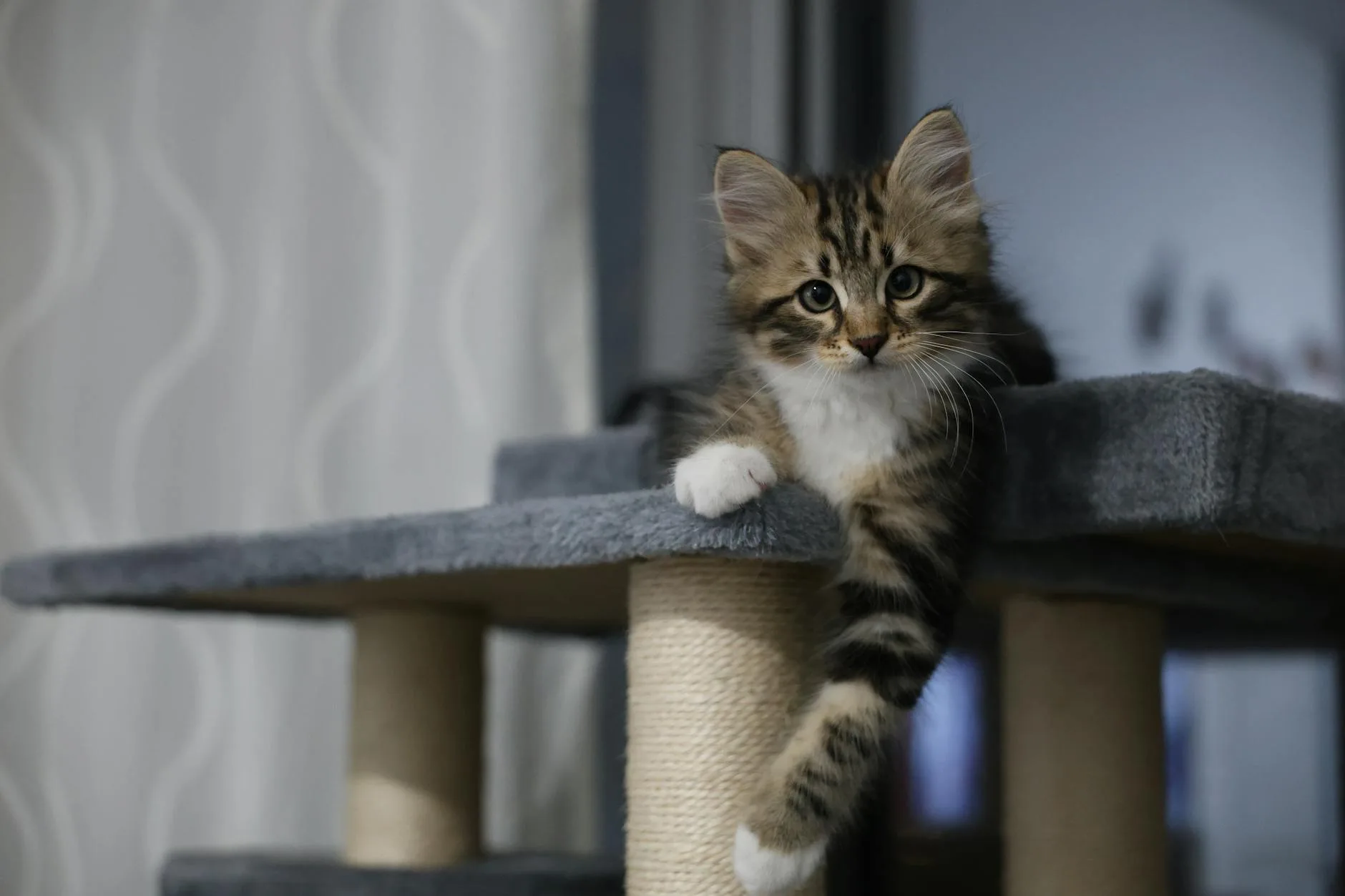
Scratching Posts vs Scratch Pads vs Cat Trees
When a Simple Post Is Enough
If your cat’s scratching needs are simple — one cat, clear preference for vertical scratching, one main scratching location — a standalone post is the most cost-effective option. No need to overcomplicate it.
When to Upgrade to a Cat Tree
Cat trees combine scratching posts with platforms, hideaways, and perches. They are worth the investment if you have an indoor-only cat who needs vertical territory and enrichment. A decent cat tree with good scratching surfaces starts at about £50-80 and can serve as scratching post, sleeping spot, and lookout point in one piece of furniture. If you are looking for sleeping spots specifically, check our guide to how to choose the right cat bed — the principles of comfort and placement apply equally to cat tree beds.
When Scratch Pads Make Sense
Scratch pads are ideal as secondary scratching surfaces in rooms where a full post is impractical. They are cheap, disposable, and easy to position. Use them alongside a main post, not instead of one — pads alone do not provide the full-body stretch that vertical scratching delivers.
Frequently Asked Questions
Why does my cat scratch the furniture instead of the scratching post? Usually one of three reasons: the post is too short for a full stretch, the material does not appeal to your cat’s texture preference, or the post is in the wrong location. Try moving the post next to the targeted furniture, and if that does not work, experiment with a different material — switch from sisal rope to cardboard, or vice versa.
Can I train a kitten to use a scratching post? Yes, and it is much easier than training an adult cat. Place a small post or pad near where the kitten plays and sleeps. Drag toys across the surface to encourage claw contact. Kittens learn scratching preferences between 5 and 12 weeks, so early exposure to a post sets good habits for life.
Is it cruel to declaw a cat to stop scratching? Declawing (onychectomy) involves amputating the last bone of each toe. It is illegal in the UK under the Animal Welfare Act 2006 and is considered inhumane by the British Veterinary Association. Providing appropriate scratching surfaces is the ethical and effective alternative.
Should I use a spray deterrent on furniture to stop scratching? Citrus sprays and commercial deterrents can discourage scratching on furniture temporarily, but they do not address the need to scratch. Always pair a deterrent with a nearby scratching post so your cat has an alternative. Deterrents alone lead to frustrated cats who find a new piece of furniture to target.
How do I stop two cats fighting over the same scratching post? Add more posts. One per cat plus one extra is the standard recommendation. Place them in different locations so each cat has access without confrontation. Different textures help too — if one cat claims the sisal post, offer the other a cardboard pad or wall-mounted scratcher.