You’ve just watched your cat ignore the £40 bed you bought from Pets at Home and curl up inside the empty delivery box instead. Again. It’s the most predictable thing about owning a cat — you research, you spend, and they sleep on the radiator shelf. But here’s the thing: cats do use beds when you get the right one. The trick is understanding what your cat actually wants, not what looks nice on your living room floor.
Choosing a cat bed sounds simple until you’re scrolling through 200 options on Amazon UK at midnight, trying to work out whether your cat needs a bolster, a cave, a hammock, or some sort of heated donut. This guide cuts through the noise. I’ll walk you through how to choose a cat bed that your cat will actually sleep in — based on their size, sleeping style, age, and where they like to nap.
Why Your Cat Needs a Proper Bed
Cats sleep between 12 and 16 hours a day. Kittens and older cats can push past 18. That’s a lot of sleeping, and where they do it matters more than most people realise.
A decent cat bed does three things:
- Insulates from cold floors — especially in draughty UK houses with tiled kitchens and laminate hallways
- Supports joints — older cats with arthritis need something softer than the corner of your sofa
- Gives them a safe territory — cats feel vulnerable when sleeping, so a defined space reduces stress
You might think your cat’s happy on your bed or the back of the sofa. They probably are. But having their own spot — somewhere warm, quiet, and predictable — reduces anxiety and gives them somewhere to retreat when the house gets noisy. If you’ve got kids or dogs, your cat will appreciate this more than you’d expect.
The RSPCA recommends providing cats with comfortable resting areas away from busy household zones, and a properly chosen bed is the simplest way to do that.
How to Choose a Cat Bed: The Key Factors
Getting this right comes down to five things. Ignore any of them and you’ll end up with another expensive cat-shaped dust collector.
Size It Right
This sounds obvious, but most people buy beds that are either too small or absurdly large. You want the bed to be about 1.5 times your cat’s length when they’re curled up.
- Small cats (under 4kg): 35-40cm diameter beds work well
- Medium cats (4-6kg): 45-50cm is the sweet spot
- Large breeds (Maine Coons, Ragdolls, British Shorthairs over 6kg): you’ll need 55cm+ minimum, and even then some Maine Coons will hang over the edge
If you’re between sizes, go larger. A bed that’s slightly too big is fine — your cat will just curl into one corner. A bed that’s too small means they’ll sleep on your jumper instead.
Watch How They Sleep
This is the single biggest factor people overlook. Spend a week paying attention to how your cat actually sleeps:
- Curlers — cats that tuck into a tight ball want a round, bolstered bed with raised sides they can nestle against
- Sprawlers — cats that stretch out flat need a flat mat or large cushion with no walls boxing them in
- Burrowers — cats that wedge themselves under blankets, behind cushions, or inside cupboards are telling you they want a cave or hooded bed
- Perchers — cats that sleep on chair arms, shelves, and the top of the fridge prefer elevated beds like hammocks or window-mounted platforms
There’s no point buying a beautiful bolster bed if your cat’s a sprawler. They’ll just drape themselves over the side and look uncomfortable. Match the bed to the behaviour, not the aesthetic.
Think About Their Age
A kitten, an adult, and a senior cat have very different needs:
- Kittens grow fast, so don’t spend big. A basic fleece-lined bed from Argos (about £8-12) does the job until they’re fully grown. Replace it at around 12 months.
- Adult cats (1-10 years) are the easiest to buy for — most bed styles work. Focus on matching their sleep position and keeping it washable.
- Senior cats (10+) need beds with memory foam or thick padding to cushion stiff joints. Lower sides matter too — a cat with arthritis struggles to step over a 15cm bolster wall. Look for beds with a dipped front entry point.
If your older cat has been diagnosed with arthritis, a heated bed can make a noticeable difference. The International Society of Feline Medicine notes that warmth helps ease joint stiffness in older cats, and a heated pad inside a low-sided bed is one of the simplest interventions you can make.
Types of Cat Bed — And Who They’re For
Not all beds are created equal. Here’s a breakdown of the main styles and which cats tend to prefer them.
Bolster Beds
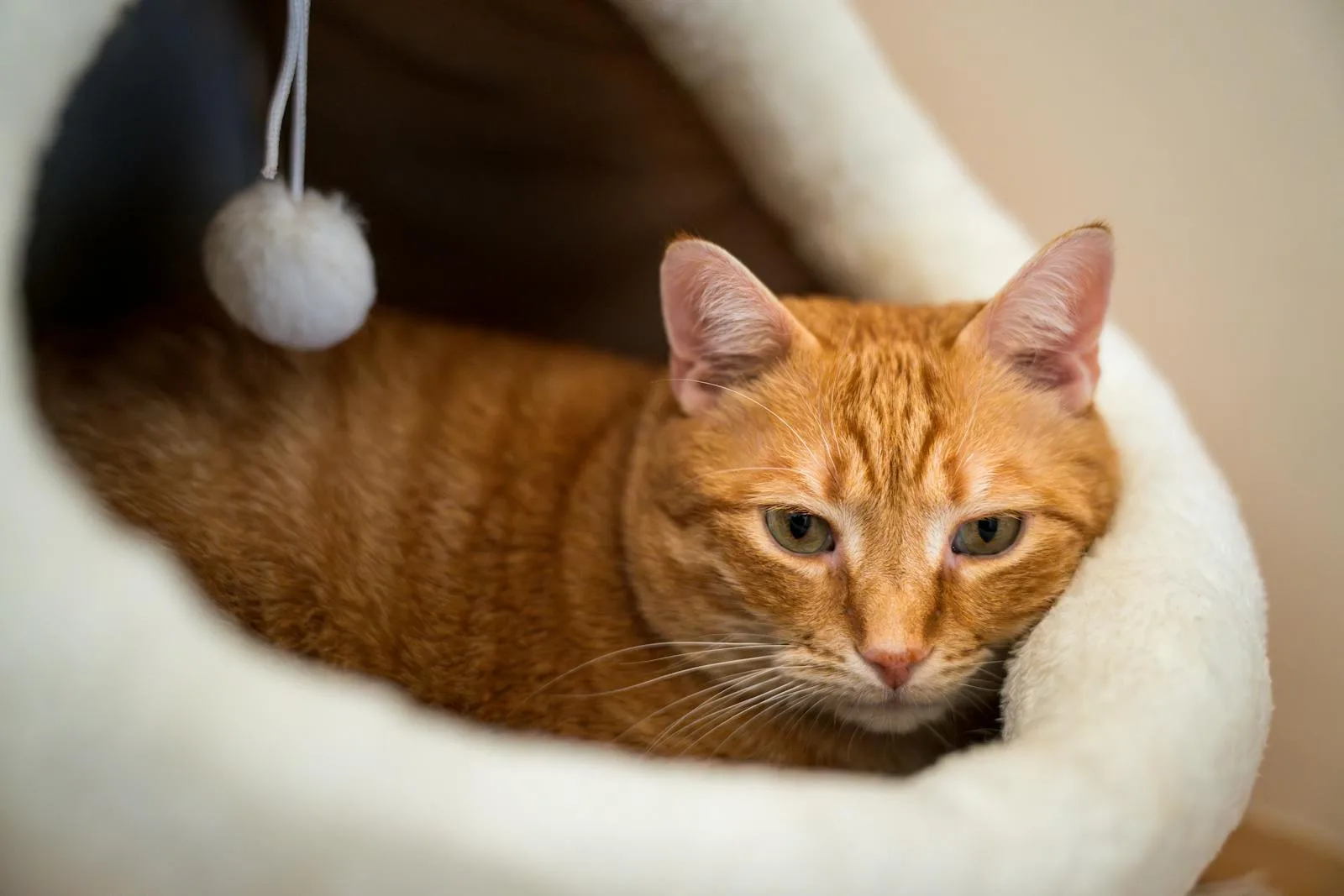
The classic. A round or oval bed with raised, padded sides. Your cat sleeps in the middle and rests their head on the bolster like a pillow. These suit curlers and cats who like to feel enclosed without being covered.
Good option: the Rosewood Oval Cat Bed (about £15-20 from Amazon UK or Pets at Home). It’s machine washable, holds its shape well after a few cycles, and comes in sizes up to 60cm for larger cats.
Donut Beds
Similar to bolster beds but with a deeper, more pronounced rim that curves inward. Cats sink into the middle and get surrounded on all sides. Extremely popular right now, and for good reason — most cats love them.
The Silentnight Calming Donut Bed (about £20-30 from Amazon UK) is the one I’d point people towards. It uses the same long-pile faux fur you see on dozens of knockoffs, but the base is actually non-slip and the filling doesn’t flatten within a month. Budget alternatives exist for under £15, but they tend to go lumpy fast. For a related angle, see our Dog Poo Bags: Biodegradable vs Compostable vs Standard guide.
Cave and Hooded Beds
Enclosed beds with a roof or hood. Perfect for burrowers and anxious cats who want to hide while they sleep. If your cat regularly sleeps under your duvet, in a wardrobe, or inside carrier bags, this is the style to try.
Prices range from about £15-35 depending on size and materials. Look for ones with a removable hood — some cats take a few days to warm up to the enclosed feeling, and having the option to fold it back helps the transition.
Flat Mats and Cushions
The simplest option. A padded mat that lies flat on the floor, sofa, or inside a crate. Ideal for sprawlers and cats who already have a favourite sleeping spot — you’re just making it more comfortable.
These are cheap (£5-15 from Argos, B&M, or Amazon UK) and easy to wash. They’re also the best option if your cat refuses every structured bed you’ve tried. Sometimes the answer is just a nice warm mat in the right spot.
Heated Beds
Electrically heated pads or self-warming beds that use reflective thermal layers. Two categories:
- Electric heated pads (about £20-40) plug in and maintain a gentle warmth. The PetSafe Heated Wellness Bed is a solid choice with adjustable temperature.
- Self-warming beds (about £10-25) use a Mylar-type layer to reflect your cat’s body heat. No plug needed. They won’t feel warm to touch, but they do retain heat once your cat lies down.
Heated beds are a genuine game-changer for senior cats, cats that feel the cold (short-haired breeds like Siamese and Sphynx), and any cat who monopolises the warmest radiator in the house.
Elevated and Window Beds
Raised hammock-style beds on frames, or suction-cup platforms that attach to windows. Cats that love high vantage points — watching birds from the windowsill, sitting on top of wardrobes — will take to these.
Window-mounted beds (about £15-30) are brilliant in theory. In practice, check your window frames can take the weight (most suction cup models hold up to about 15kg, but the cups weaken over time on older PVC frames). The K&H EZ Mount Window Bed has a strong reputation, but it’s hard to find in UK retailers — you’ll likely need to order from Amazon UK.
Choosing the Right Material
The material matters more than the colour, the pattern, or the Instagram appeal.
- Faux fur / plush fleece — the most popular and for good reason. Soft, warm, and cats seem to love the texture. Downside: traps cat hair like a magnet. If you’ve got a long-haired cat, you’ll be lint-rolling the bed weekly.
- Cotton and canvas — cooler, more durable, easier to wash. Better for summer or centrally heated homes where your cat doesn’t need extra warmth. Less cosy-looking, but some cats prefer the firmer surface.
- Memory foam — the gold standard for senior cats or any cat over 8kg. It supports joints properly and doesn’t bottom out. Expect to pay £25-50 for a memory foam cat bed. The foam insert is usually not washable, so look for beds with a removable, machine-washable cover.
- Waterproof or water-resistant bases — essential if the bed’s going on the floor in a kitchen, utility room, or conservatory. A wet bed from a dripping radiator or spilled water bowl gets abandoned immediately.
Whatever material you pick, check if it’s machine washable. Cats are clean animals, but beds collect fur, dander, and the occasional hairball. A bed that can’t go in the washing machine at 30°C is a bed you’ll end up binning within six months. Our How to Help a Nervous Cat Settle Into a New Home guide is useful alongside this.
Where to Put a Cat Bed
You’ve bought the right bed. Now don’t ruin it by putting it in the wrong spot.
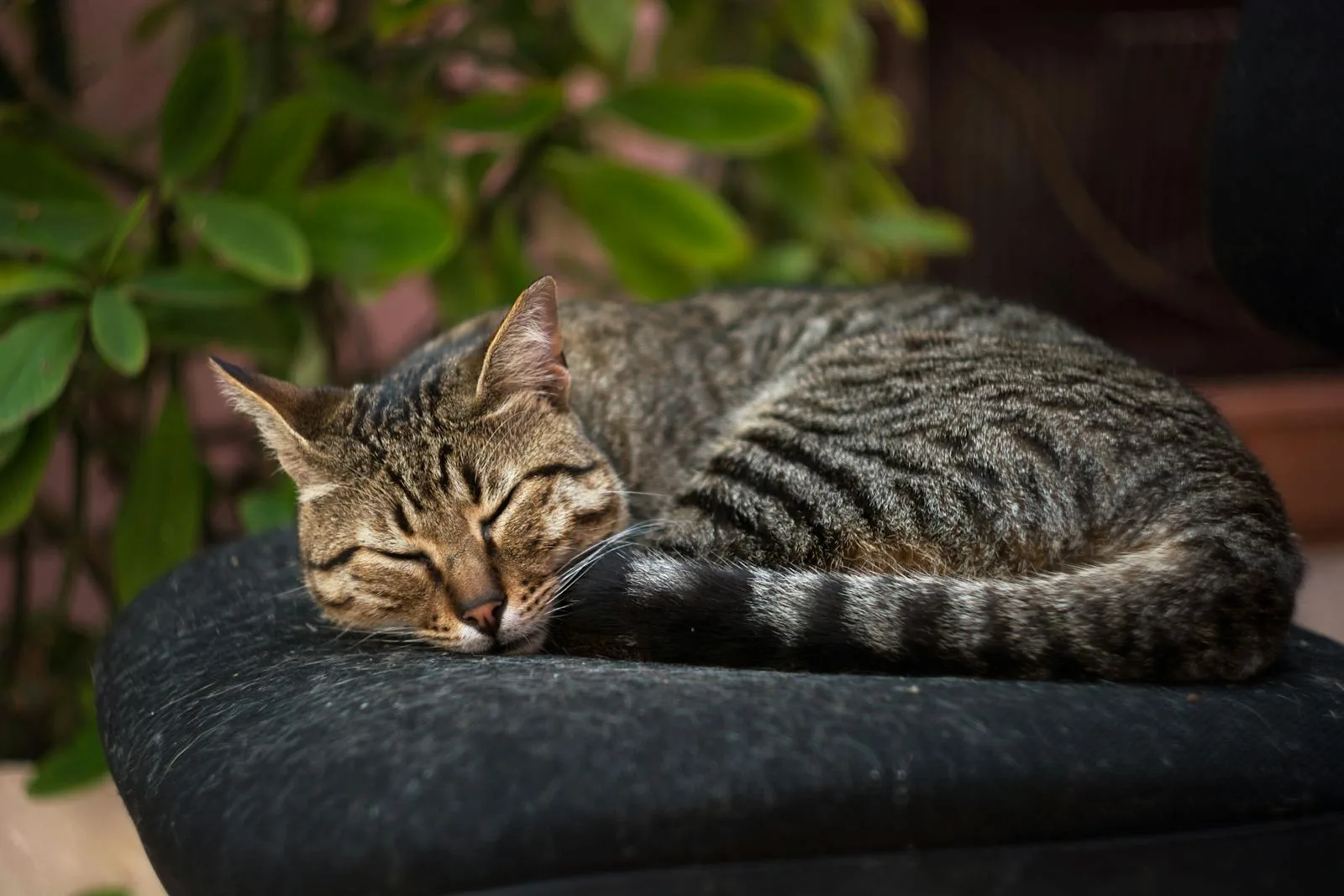
Cats are creatures of habit, and they’ve probably already chosen their preferred sleeping zones. Put the bed where your cat already sleeps — don’t expect them to relocate to a spot that’s convenient for you.
General rules:
- Warm, draught-free spots — away from external doors and single-glazed windows in winter
- Quiet areas — not next to the washing machine, not in the hallway where the kids charge past, not beside the TV
- Slightly elevated if possible — even putting the bed on a low shelf, chair seat, or window ledge makes it more appealing to most cats. They feel safer off the ground.
- Away from the litter tray — this should be obvious, but the number of people who put both in the utility room is remarkable. Cats won’t sleep near where they toilet. Keep at least 2-3 metres between them.
- Multiple beds for multiple spots — if your cat sleeps on your bed at night and on the sofa during the day, consider two cheaper beds rather than one expensive one
If you’ve got a multi-cat household, each cat needs their own bed in a separate location. Cats don’t share sleeping spaces willingly, and forcing it causes stress — even between bonded pairs.
Practical Tips That Actually Help
A few things I’ve learned from years of cycling through cat beds:
Scent matters more than comfort. A brand-new bed smells like a factory. Rub it with a worn t-shirt, drape your cat’s favourite blanket over it, or scatter a tiny amount of dried catnip inside. Familiar scent speeds up adoption noticeably.
Don’t wash it too often. Counterintuitive, but your cat’s scent on the bed is part of what makes it “theirs.” Washing it every week resets that. Once a fortnight is plenty unless there’s a specific mess to deal with.
Give it a week. Most cats don’t jump into a new bed on day one. Leave it out, don’t force them, and let curiosity do its work. If they haven’t used it after two weeks, try moving it to a different location before giving up.
Consider a second-hand option. Charity shops like Cats Protection and the PDSA sometimes sell cat beds for a couple of quid. A good wash at 60°C and they’re perfectly fine — and your cat might actually prefer one that already smells like another cat. Weird, but true.
If you’re also navigating buying decisions for dogs in the household, the same principles of matching size and sleep style apply — our guide to choosing the best dog bed covers the canine side in detail.
Common Mistakes to Avoid
- Buying for aesthetics over function — that beautiful rattan cat bed looks stunning on Pinterest, but if it’s hard, cold, and open on all sides, your burrower cat won’t touch it
- Going too small — measure your cat, not your estimate of your cat. British Shorthairs in particular are much bigger than people think
- Placing it near food or water — cats don’t eat where they sleep. Separate zones, always.
- Ignoring the non-slip base — beds on laminate or tile floors slide around when your cat jumps in, which spooks them. Look for rubber-dot bases or put a mat underneath.
- Spending too much on kittens — they’ll outgrow it in months. Save the premium bed for when they’re fully grown.
On the topic of buying choices for your pets, understanding what goes into a good decision applies across the board — whether that’s choosing treats that are actually healthy or picking the right grooming tools for brushing your dog’s teeth at home.
Frequently Asked Questions
How often should I replace my cat’s bed? Most cat beds last 1-2 years with regular use. Replace it when the padding flattens permanently, the fabric starts tearing, or it can’t be cleaned properly anymore. Memory foam beds tend to last longer — around 2-3 years.
Why won’t my cat use the bed I bought? The most common reasons are wrong location, wrong style for their sleeping habits, or unfamiliar scent. Try moving the bed to where your cat already sleeps, adding a familiar blanket, and giving them at least two weeks to investigate.
Are heated cat beds safe to leave on overnight? Most modern heated cat beds from reputable brands have built-in thermostats and auto-shutoff features. Look for beds with a maximum surface temperature of around 38-40°C and a chew-resistant cord. Always check the specific product’s safety certifications.
Can two cats share a bed? Bonded pairs sometimes share voluntarily, but most cats prefer their own sleeping space. Providing one bed per cat in different locations reduces competition and stress. If your cats do share, choose a bed at least 60cm across.
What size cat bed do I need for a Maine Coon? Maine Coons need beds at least 55-60cm in diameter, though larger adults may need 65cm+. Rectangular beds around 70x50cm also work well. Always measure your individual cat rather than relying on breed averages, as Maine Coons vary noticeably in size.