You’re in Pets at Home, bag of kibble in each hand, squinting at the tiny print on the back. One says “with chicken.” The other says “chicken meal, rice, chicken fat.” Both cost roughly the same. Both have a happy dog on the front. And you have completely no idea which one is actually better for your dog.
You’re not alone. Dog food labels in the UK are deliberately confusing — and the brands spending the most on marketing aren’t always the ones putting the best ingredients inside the bag. The good news? Once you know what to look for (and what to run from), reading a dog food label takes about thirty seconds. This dog food quality label guide breaks down the five biggest red flags hiding on those labels, so you can stop guessing and start buying with confidence.
Why Dog Food Labels Are So Confusing
Before we get into the red flags, it helps to understand why these labels read like a chemistry exam. In the UK, pet food labelling falls under the Animal Feed (Composition, Marketing and Use) Regulations, enforced by DEFRA and local trading standards. Manufacturers must list ingredients in descending order by weight — the first ingredient makes up the largest proportion of the food. That bit’s simple enough.
The problem? There’s a lot of wiggle room in how ingredients are described. A brand can call something “meat and animal derivatives” without specifying what animal, what cut, or what percentage. They can split grain ingredients into multiple entries (wheat flour, wheat gluten, wheat bran) so no single grain appears first on the list — even though grains collectively make up more of the food than the meat. These aren’t illegal tricks. They’re just how the game is played.
Knowing the rules gives you the advantage. Here are the five red flags that separate decent dog food from the stuff that’s mostly filler with a pretty label.
Red Flag 1: “Meat and Animal Derivatives” Listed as the Main Protein
This is the biggest one. If you remember nothing else from this dog food quality label guide, remember this: “meat and animal derivatives” is a catch-all term that could mean almost anything.
Under UK regulations, it covers any part of any warm-blooded animal — organs, connective tissue, rendered leftovers from human food processing. It’s not necessarily harmful, but it tells you nothing about what your dog is actually eating. The composition can change batch to batch depending on what’s cheapest at the time. One month it might be mostly chicken carcass. The next, pork lungs.
What you want to see instead:
- Named protein source first — “chicken,” “lamb,” “salmon,” or “turkey” as the first ingredient
- Specific percentages — “chicken (26%)” tells you exactly what’s in there
- Named meat meal — “chicken meal” or “lamb meal” is fine. It’s just the protein with water removed, which actually concentrates the protein content. A bag listing “chicken meal” as the first ingredient often has more actual chicken protein than one listing fresh “chicken” first (because fresh chicken is 70% water)
If a brand won’t tell you what animal is in the food, that’s not transparency. That’s a company hedging its supply chain at your dog’s expense.
Red Flag 2: Cereals or Grains as the First Ingredient
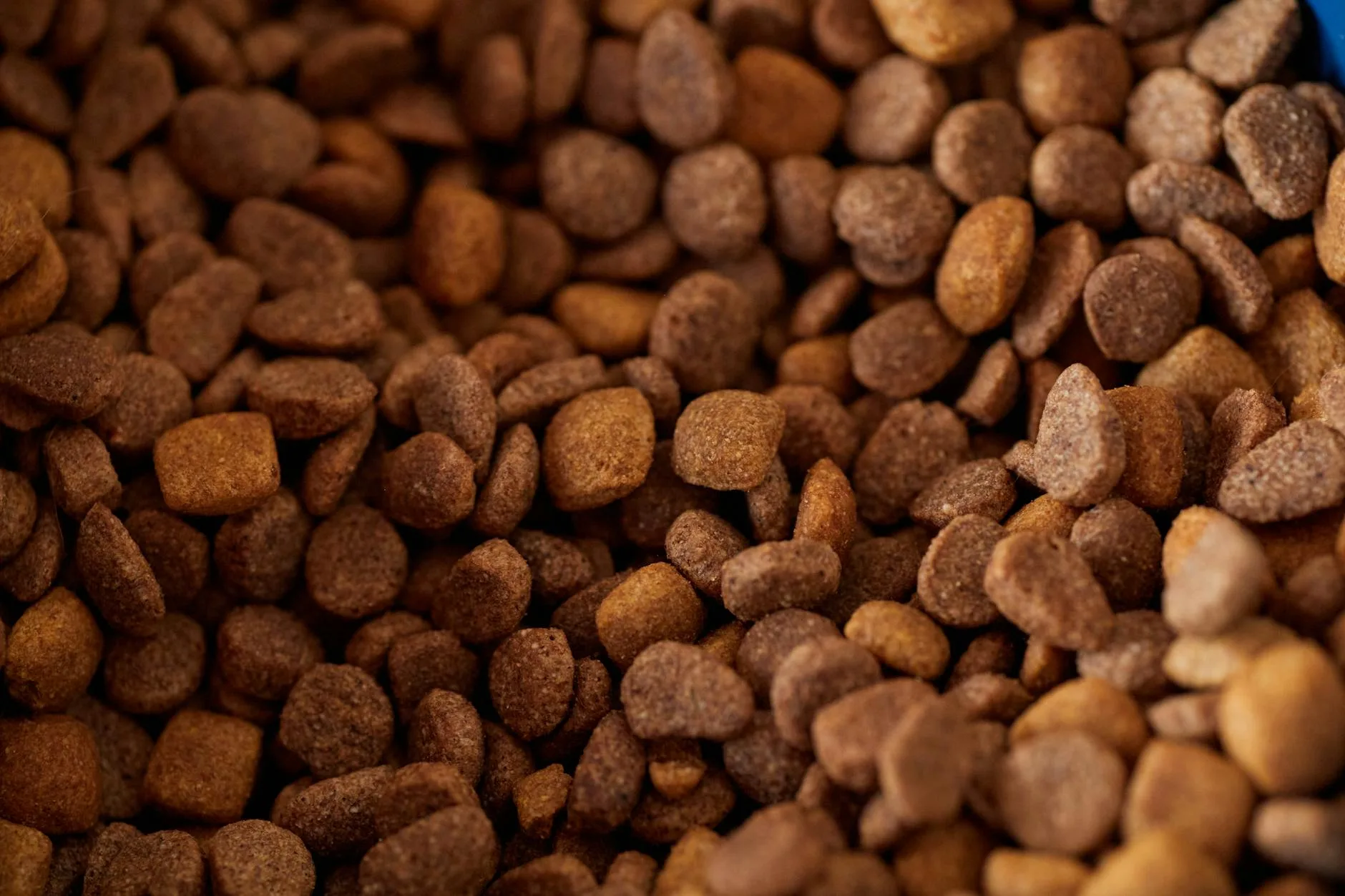
Dogs aren’t obligate carnivores — they can digest some carbohydrates, and moderate amounts of grains aren’t inherently evil. But when “cereals” or “maize” sits at the top of the ingredient list, your dog’s food is primarily made of cheap filler rather than the protein they actually need.
Some budget brands — and a few that charge mid-range prices while cutting corners — load up on grains because they’re dirt cheap compared to meat. You’ll often see ingredients like:
- Cereals (another vague catch-all — could be wheat, corn, rice, or whatever’s cheapest)
- Maize/corn — cheap energy source, low biological value for dogs
- Wheat — common allergen for sensitive dogs, often used as a binding agent
- Soya — plant protein that inflates the overall protein percentage on paper without providing the amino acid profile dogs need
The ingredient-splitting trick is worth watching for too. If a label reads “chicken, wheat flour, wheat gluten, maize, wheat bran” — wheat appears three times. Add those up and wheat likely outweighs the chicken by a wide margin.
A well-formulated dog food might include brown rice, oats, or sweet potato as a carbohydrate source. That’s fine. The key difference is where it sits on the list and whether the brand is transparent about percentages. If you’re interested in going further and cutting out processed food entirely, our guide to raw feeding for dogs covers what that looks like in practice. For a related angle, see our Best Cat Flea Treatments 2026 UK: Spot-On & Oral guide.
Red Flag 3: Long Lists of Artificial Additives
Flip the bag over and scroll down to the additives section. A short list of vitamins and minerals is normal and expected — even premium dog foods need to add these to meet nutritional standards. What you don’t want is a paragraph of E-numbers and chemical names that reads like a paint ingredients list.
Watch out for:
- Artificial colours (E102, E110, E124, E131) — these exist purely for human appeal. Your dog doesn’t care if their kibble is brown, red, or bright green. Coloured kibble is marketing, not nutrition.
- BHA and BHT (E320, E321) — synthetic preservatives. Some studies flag potential health concerns with long-term consumption. Natural alternatives like mixed tocopherols (vitamin E) or rosemary extract do the same job.
- Artificial flavour enhancers — if the food needs artificial flavouring to make dogs eat it, the base ingredients probably aren’t great. Good quality meat smells appealing to dogs on its own.
- Added sugar or caramel — yes, some dog foods contain sugar. It improves palatability and colour but adds empty calories. Dogs prone to weight gain (Labradors, I’m looking at you) don’t need this.
- Propylene glycol — used as a humectant in semi-moist foods. It’s classified as safe in small amounts, but it’s also the base ingredient in antifreeze. There are better options.
The rule of thumb: if you can’t pronounce half the ingredients and they’re clearly not vitamins, that’s a red flag. A quality food keeps its additives list short — vitamin A, vitamin D3, zinc, iron, selenium, and maybe a natural preservative or two.
How to Actually Read the Guaranteed Analysis
Between the ingredient list and the additives, you’ll find the “analytical constituents” or “typical analysis” panel. This is where the numbers live, and it’s worth a quick glance once you know what they mean.
- Crude protein — aim for 25% or higher in dry food (adult maintenance). Working dogs and puppies need more, around 28-32%.
- Crude fat — 12-18% is a reasonable range for most adult dogs. Too low and the coat suffers. Too high and weight creeps on.
- Crude fibre — 2-5% is normal. Higher isn’t necessarily better.
- Crude ash — this just means mineral content. Under 8% is fine. Over 10% can indicate lower quality ingredients with more bone and connective tissue.
- Moisture — wet food will be 75-85%. Dry food should be under 10%.
One thing the analysis doesn’t tell you: the source of those nutrients. A food could hit 26% protein through quality chicken breast or through rendered feathers and connective tissue. Both test the same on paper. That’s why the ingredient list and the analysis panel need to be read together, not in isolation. Our Best Cat Food 2026 UK: Complete Wet & Dry Brands guide is useful alongside this.
Red Flag 4: Vague Percentages or No Percentages at All
Here’s where UK labelling gets properly sneaky. A brand can slap “with beef” on the front of the bag as long as the food contains a minimum of just 4% beef. Four percent. That means 96% of the food could be anything else, and “beef” is essentially a flavouring.
The naming rules work roughly like this:
- “Beef flavour” — may contain no beef at all, just beef flavouring
- “With beef” — minimum 4% beef
- “Beef dinner” / “rich in beef” — minimum 14% beef (in the EU; UK rules are similar)
- “Beef dog food” — minimum 26% beef (when named as the main component)
Brands that are proud of their ingredients will tell you exact percentages: “chicken (40%), sweet potato (15%), peas (8%).” When a company is vague — listing just “chicken, rice, vegetables” with no numbers — they’re usually hiding something. Maybe the chicken content is technically compliant but barely there.
The best brands openly state what percentage of the food is meat, what percentage is plant-based, and what percentage is added supplements. If you’re choosing between two foods at the same price point and one gives you percentages while the other doesn’t — buy the transparent one every time.
Red Flag 5: “Complete” Food That Relies on By-Products and Fillers
Every dog food sold in the UK must be labelled either “complete” (provides everything a dog needs) or “complementary” (a topper or treat, not a sole diet). The problem is that “complete” is a nutritional minimum, not a quality standard. A food can technically meet every FEDIAF guideline while being made almost entirely from low-grade by-products and fillers. We cover a similar decision in Best Pet Food 2026 UK: Vet-Recommended Brands for Dogs & Cats.
Signs a “complete” food is scraping the bottom of the barrel:
- Multiple vague protein sources — “meat and animal derivatives, poultry meal, hydrolysed animal protein” all in one list, none with percentages
- Filler ingredients making up the bulk — beet pulp, cellulose, peanut hulls, or “vegetable derivatives” high on the list
- Heavy reliance on added synthetic vitamins and minerals — some supplementation is normal, but if the additives section is longer than the ingredients list, the base food isn’t providing much nutrition on its own
- Unusually cheap price for the claimed quality — a 15kg bag of “premium” complete food for £15 is cutting corners somewhere. Decent complete dry food in the UK typically costs £3-6 per kg, depending on the brand. The really good stuff — Orijen, Lily’s Kitchen, Forthglade — runs £5-9 per kg
If you want to supplement your dog’s diet alongside a complete food, picking treats that are actually healthy makes a real difference — especially if the main food is already borderline.
A Quick Label-Reading Checklist
Next time you’re comparing dog food bags, run through this in about thirty seconds:
- First ingredient — is it a named meat or “meat and animal derivatives”?
- Meat percentage — is it stated? Is it above 25%?
- Grain position — are cereals or maize in the top three ingredients?
- Additives — artificial colours, BHA/BHT, added sugar?
- Transparency — does the brand give specific percentages or hide behind vague terms?
Five checks, half a minute, and you’ll filter out the worst offenders without needing a degree in animal nutrition.
What About Wet Food, Raw, and Fresh Options?
Everything above applies to dry kibble, but the same principles hold for wet food with a couple of tweaks. Wet food naturally has 75-85% moisture, so the protein and fat percentages look much lower — that’s normal, not a red flag. What matters is the same: named protein sources, clear percentages, short additives list.
Raw feeding sidesteps most of these labelling issues entirely because you control what goes in. It’s not for everyone — there’s a learning curve and you need freezer space — but if label anxiety is driving you mad, it might be worth exploring. Our raw feeding beginners’ guide covers the basics without the overwhelm.
Fresh and gently cooked options (Butternut Box, Different Dog) are gaining ground in the UK market too. They tend to score well on transparency since they market on ingredient quality, but check the percentages just as you would with any other food. A premium price tag alone doesn’t guarantee premium contents.
Brands That Get It Right (and Where to Buy Them)
Without turning this into a full buying guide, here are a few brands that consistently score well on label transparency in the UK:
- Forthglade — clear ingredient lists, named meats with percentages, no artificial nasties. About £3-5 per kg for dry food. Available at Pets at Home, Amazon UK, and Ocado.
- Lily’s Kitchen — proper ingredient breakdowns, grain-free options available. Around £5-7 per kg. Widely stocked in Waitrose, Sainsbury’s, and Pets at Home.
- Eden Holistic — 80%+ animal ingredients clearly stated, UK-made. About £5-7 per kg. Mainly online or independent pet shops.
- Orijen — biologically appropriate, extremely transparent labelling with exact percentages. Premium price at £7-9 per kg. Available from specialist retailers and Amazon UK.
Budget-conscious? Arden Grange and Skinner’s both offer decent transparency at more accessible prices (£2-4 per kg). Neither is as flashy as the premium brands, but both list named protein sources with percentages and keep additives minimal.
Frequently Asked Questions
What should the first ingredient in dog food be? The first ingredient should be a named protein source like chicken, lamb, salmon, or turkey — ideally with a percentage stated. Avoid foods where 'meat and animal derivatives' or 'cereals' appear first.
Is 'meat and animal derivatives' bad in dog food? It's not dangerous, but it's a vague catch-all term that tells you nothing about what animal or what parts are used. The composition can change between batches. Named meat sources are always preferable for consistency and transparency.
How much should good quality dog food cost in the UK? Decent dry dog food typically costs £3-6 per kg in the UK. Premium brands like Orijen run £7-9 per kg. If a 15kg bag costs under £20, the ingredients are almost definitely low quality.
Are grain-free dog foods better? Not automatically. Grain-free foods replace grains with other carbohydrates like potato or peas. What matters more is the quality and percentage of the protein source, not whether grains are present. Some dogs with allergies benefit from grain-free, but most dogs digest quality grains like brown rice and oats perfectly well.
What does 'with chicken' mean on dog food labels? Under UK labelling rules, 'with chicken' means the food contains a minimum of just 4% chicken. Look for foods where chicken is the named first ingredient with a higher stated percentage, ideally above 25%.