You’ve just come home from the vet with a prescription for your furry friend, and the thought of trying to get that tablet down them fills you with dread. You know the struggle all too well—your pup wriggling away like a slippery eel, while you awkwardly juggle treats and coaxing words. But it doesn’t have to be a wrestling match every time! With a few handy tips and tricks, you can turn this chore into a smooth and stress-free experience for both you and your dog. Let’s dive into some clever methods that can make administering medication a breeze.
In This Article
- Why Dogs Refuse Tablets (And Why They Get Smarter Each Time)
- Method 1: The Food Wrap
- Method 2: The Three-Treat Trick
- Method 3: The Pill Pocket Approach
- Method 4: Crush and Mix
- Method 5: The Direct Approach
- Method 6: The Syringe Method
- Foods That Hide Tablets Well (And Ones to Avoid)
- When Nothing Works: Vet Options
- Common Mistakes That Make It Harder Next Time
- Frequently Asked Questions
Why Dogs Refuse Tablets (And Why They Get Smarter Each Time)
You’ve just spent fifteen minutes trying to give your dog a worming tablet. There’s cheese on the ceiling, peanut butter in your hair, and the tablet — the one that was supposed to be hidden inside a chunk of ham — is sitting on the kitchen floor, licked perfectly clean of every scrap of meat. Your dog looks at you with an expression that says “nice try.”
I’ve been through this exact routine more times than I can count. The worst part is that dogs learn. The first time you hide a tablet in cheese, it works. The second time, they eat the cheese and spit out the tablet. By the third attempt, they won’t even take the cheese because they’ve associated it with treachery.
Dogs have approximately 1,700 taste buds (compared to our 9,000), but their sense of smell is 10,000-100,000 times more sensitive than ours. They can detect a tiny bitter tablet inside a generous chunk of cheddar without any difficulty. The trick isn’t masking the taste — it’s distracting them from noticing it at all.
Before You Start
Check with your vet or the medication packaging whether the tablet can be:
- Crushed — some tablets have a coating that controls release speed. Crushing these changes how the drug works
- Split — some can be halved for smaller doses
- Given with food — a few medications must be taken on an empty stomach
- Chewed — some tablets are already flavoured and chewable. If yours is, skip this entire guide and let your dog eat it like a treat
Method 1: The Food Wrap
The simplest approach: wrap the tablet completely inside soft food so the dog swallows it whole without chewing.
How to Do It
- Choose a soft, strong-smelling food (see the food list below)
- Make a ball of food roughly twice the size of the tablet
- Push the tablet into the centre and seal the food completely around it — no tablet visible from any angle
- Offer it as a treat. Act casual. If you’re nervous, the dog picks up on it
Best Foods for Wrapping
- Soft cheese (Cathedral City, Babybel) — moulds easily, strong smell
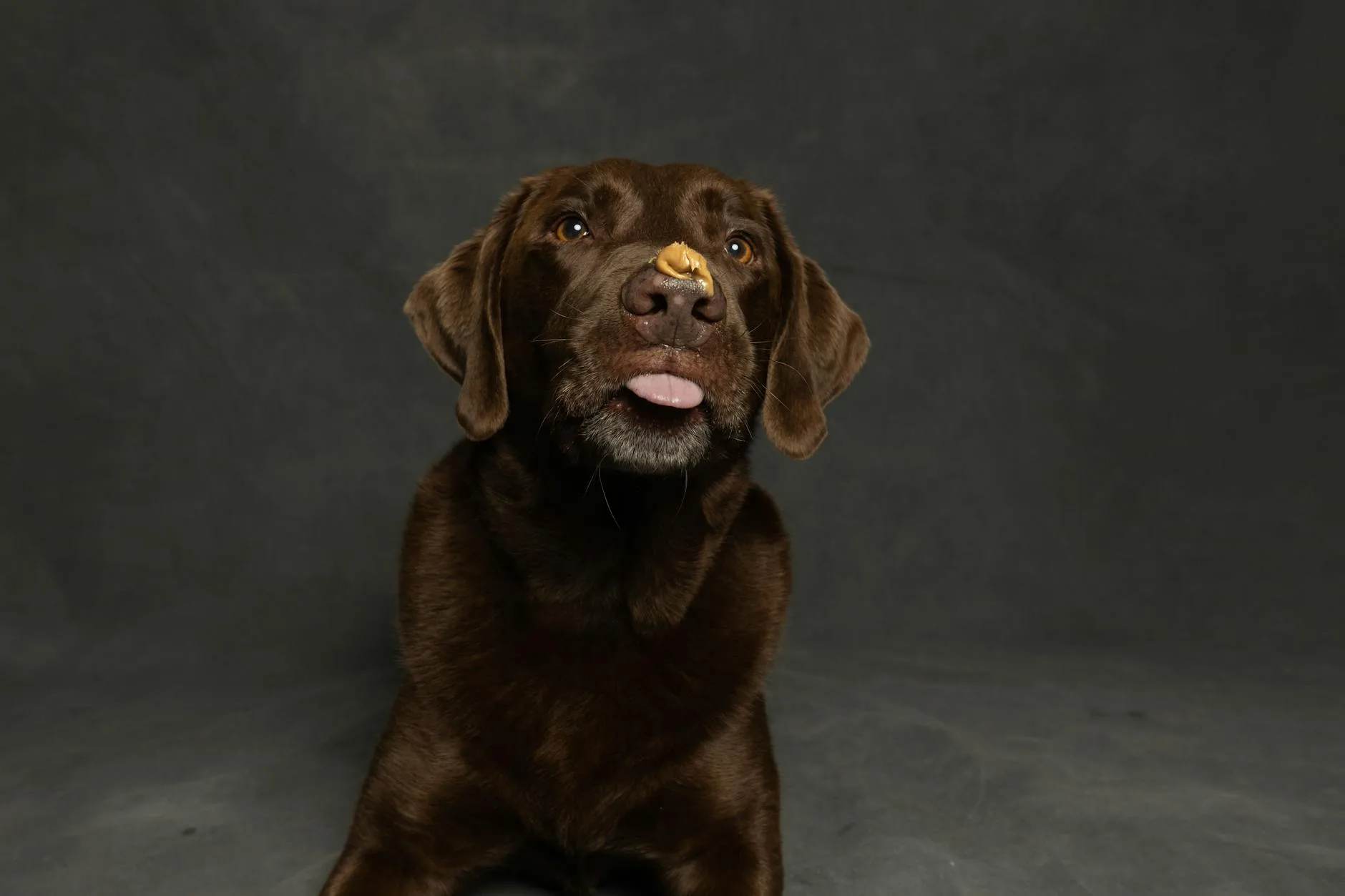
- Peanut butter — sticky enough to coat the tablet. Use xylitol-free brands only (Whole Earth, Pip & Nut, Meridian are all safe)
- Cooked chicken or turkey — wrap a small piece around the tablet. Works best when the meat is warm
- Liverwurst or pâté — the strongest-smelling option. Dogs go mad for it
- Banana — surprisingly effective. Soft, easy to mould, and most dogs love it
Why It Fails
The dog chews instead of swallowing. Some dogs are naturally slow eaters who chew everything thoroughly. If yours is a chewer, move to Method 2.
Method 2: The Three-Treat Trick
This is my go-to method and it works on about 80% of dogs, including the ones who’ve learned to detect tablets in food.
How to Do It
- Prepare three identical pieces of food — same size, same type
- Piece 1: plain food, no tablet. Give it to the dog
- Piece 2: tablet hidden inside. Give it immediately after they swallow piece 1
- Piece 3: plain food, held visibly in your hand. The dog can see it’s coming
The psychology: the dog swallows piece 2 quickly because they can see piece 3 waiting. The excitement of the next treat overrides their instinct to chew carefully. By the time they’d normally slow down and investigate, the tablet is already swallowed.
Tips for Success
- Speed matters — hand each piece over within 2-3 seconds of the last one being swallowed
- Show piece 3 while offering piece 2 — the visual of the next treat drives urgency
- Use high-value food — this isn’t the time for dry biscuits. Cheese, sausage, or chicken
- Practice without tablets first — give three treats in quick succession a few times over a week so the dog learns the game before you add the medication
I learned this from our vet nurse and it’s the single most reliable technique I’ve used. Even my terrier, who can detect a tablet inside a Scotch egg, falls for this one.
Method 3: The Pill Pocket Approach
Commercial pill pockets are pre-made soft treats with a hollow centre designed specifically for hiding tablets.
Products Available in the UK
- Greenies Pill Pockets (about £8-10 for 30) — the original. Available in chicken and peanut butter flavours. Soft, mouldable, strong-smelling
- Vet IQ Pill Treats (about £5-7 for 30) — UK brand, slightly cheaper. Come in a resealable pouch
- Easypill (about £8-12) — putty-like consistency. You pinch off what you need and mould it around the tablet. Lasts longer because you control the portion size
Are They Worth It?
If you’re giving medication daily (arthritis, heart conditions, thyroid), the convenience is worth the cost. For occasional use (worming, antibiotics), regular food works just as well and costs nothing extra.
The advantage of pill pockets over regular food is consistency. They’re designed to be the right stickiness, the right smell intensity, and the right size. You’re not fumbling with cheese at 7am before work.
Method 4: Crush and Mix
Check first: some tablets must not be crushed. Ask your vet or read the leaflet. If it’s safe to crush:
How to Do It
- Place the tablet between two spoons and press firmly, or use a pill crusher (about £3-5 from Boots)
- Mix the powder into a small amount of wet food — not a full meal, just a tablespoon
- Add something strong-smelling to mask the bitter taste: a teaspoon of peanut butter, fish paste, or gravy
The Catch
Many medications taste extremely bitter when crushed. The coating on a whole tablet often exists specifically to mask this bitterness. Once crushed, some dogs will refuse the food entirely because the taste permeates everything. If your dog takes one sniff and walks away, this method isn’t going to work. For a related angle, see our Microchipping Your Pet: UK Law and What to Know guide.
Method 5: The Direct Approach
When hiding doesn’t work, you can place the tablet directly into the dog’s mouth. This sounds intimidating but it’s how vets do it, and with practice, it takes about five seconds.
Step by Step
- Hold the tablet between your thumb and index finger of your dominant hand
- With your other hand, gently tilt the dog’s head upward so the nose points at the ceiling
- Use the middle finger of your tablet hand to gently open the lower jaw
- Place the tablet as far back on the tongue as you can reach — behind the hump of the tongue, ideally
- Close the mouth and hold it gently closed
- Stroke the throat downward or blow gently on the nose — this triggers the swallow reflex
- Watch for the tongue lick. When the dog licks their nose, they’ve swallowed
Making It Less Stressful
- Stay calm. If you’re tense, the dog tenses
- Approach from the side, not head-on. Head-on feels confrontational
- Give a treat immediately after as a reward
- Keep sessions short — get the tablet in, reward, done. Don’t chase the dog around the house first
- Practice opening the mouth without a tablet a few times, rewarding each time, so the dog gets used to it
I’ve used this method with three different dogs and the key is confidence. If you hesitate with the tablet halfway in, the dog will back away and you’ve made it harder next time. Our Best Cat Water Fountains 2026 UK: Ceramic & Stainless Steel guide is useful alongside this.
Method 6: The Syringe Method
For small tablets or capsules that can be dissolved, you can use a needleless oral syringe (available free from most pharmacies).
How to Do It
- Dissolve the tablet in a small amount of warm water (2-3ml)
- Draw the liquid into the syringe
- Gently insert the tip of the syringe into the side of the dog’s mouth, behind the canine teeth
- Push the plunger slowly — give them time to swallow between squirts
- Follow with a treat
This works well for very small dogs where opening the mouth for direct placement is difficult, or for dogs who are excellent at spitting out tablets regardless of where you place them.
Foods That Hide Tablets Well (And Ones to Avoid)
Good Hiding Foods
- Peanut butter (xylitol-free only — check ingredients)
- Soft cheese — Cathedral City, Philadelphia, Babybel
- Liverwurst or chicken liver pâté
- Banana — surprisingly effective
- Cooked sweet potato — soft, mild flavour, easy to mould
- Tinned sardines — smelly enough to mask almost anything
- Pill-specific treats — Greenies Pill Pockets, Easypill
Foods to NEVER Use
- Chocolate — toxic to dogs. Even a small amount
- Grapes or raisins — toxic, can cause kidney failure
- Xylitol-containing peanut butter — xylitol is extremely toxic to dogs. Always check the label. Brands like Whole Earth and Pip & Nut are safe
- Onion or garlic — toxic in sufficient quantities
- Macadamia nuts — toxic to dogs
The PDSA poisonous plants advice of foods toxic to dogs if you’re unsure about anything.
When Nothing Works: Vet Options
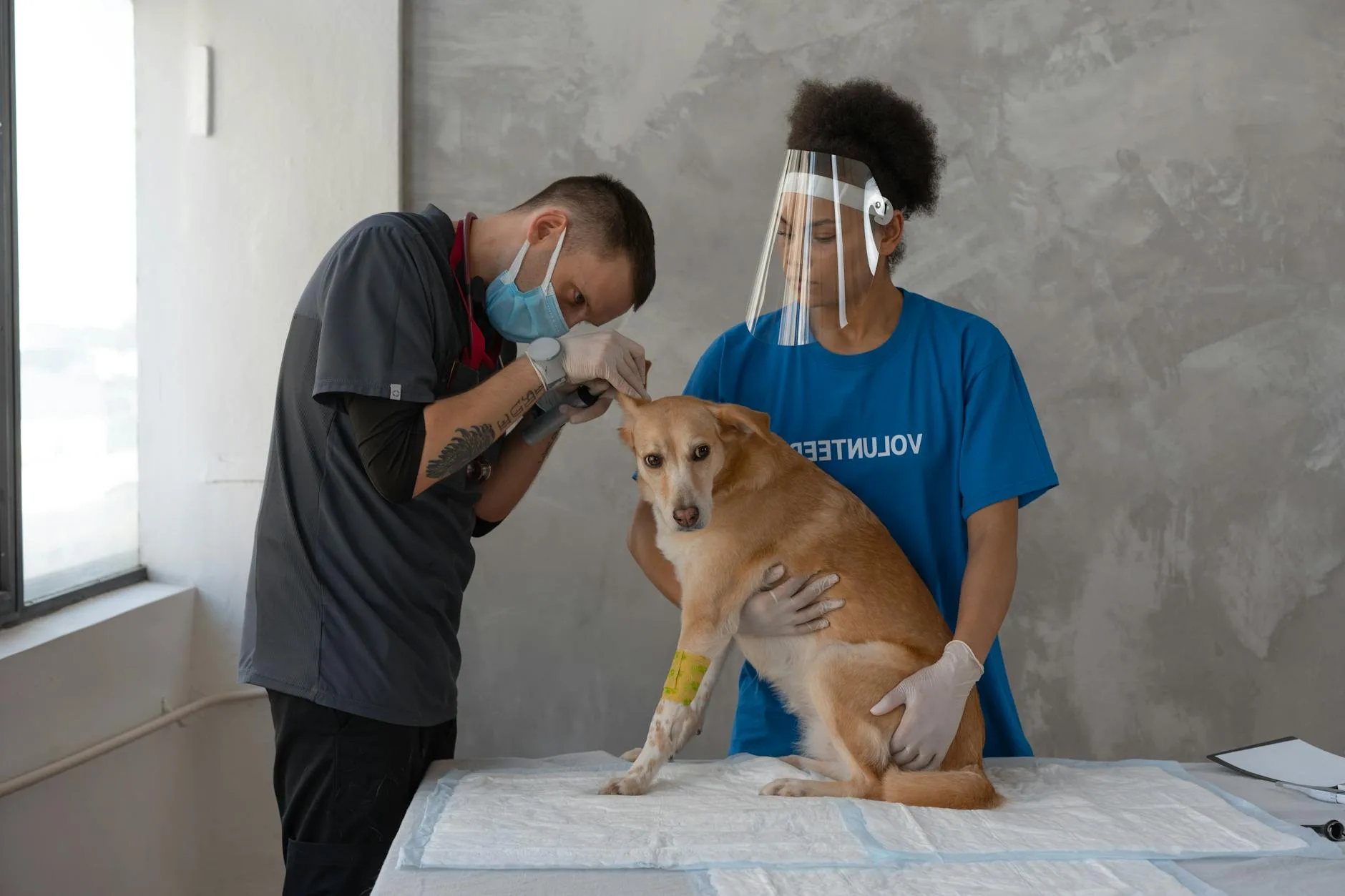
If you’ve exhausted every method and your dog still won’t take tablets, talk to your vet. There are alternatives:
- Liquid formulations — many common medications come in liquid form that can be squirted into food or given by syringe
- Flavoured chewable tablets — some medications (particularly flea and worm treatments) come as palatable chews that dogs eat voluntarily. Nexgard, Bravecto, and Simparica are all chewable
- Transdermal gels — applied to the inside of the ear. Available for some medications (particularly thyroid drugs for cats, increasingly for dogs)
- Injectable versions — for some medications, the vet can give an injection that lasts weeks or months instead of daily tablets
- Compounding pharmacies — specialist pharmacies can reformulate tablets into flavoured liquids, treats, or transdermal gels. Ask your vet for a referral
Don’t just stop giving the medication because it’s difficult. If the vet prescribed it, your dog needs it. There’s always an alternative delivery method — you just might need to ask. We cover a similar decision in How to House Train a Puppy: The Complete Guide.
Common Mistakes That Make It Harder Next Time
Being Obvious About It
Dogs read body language better than they read anything else. If you walk into the room holding a tablet, acting weird, with a piece of cheese in the other hand, the dog knows something is up. Prepare everything out of sight and act completely normal.
Using the Same Food Every Time
If you always use cheese, the dog learns that cheese = tablet. Rotate between different hiding foods so no single food becomes associated with medication.
Chasing the Dog
The moment you chase, the dog learns that tablet time is something to run from. If they move away, stop. Try again later. Never turn it into a pursuit.
Not Rewarding After
Even if the tablet goes down, give a treat and praise immediately. You want the overall experience to end positively. Over time, the dog associates tablet time with rewards, not stress. You may also want to read How to Introduce a New Puppy to an Older Dog.
Giving Up Too Quickly on a Method
The three-treat trick might not work the first time. Practice the rhythm with plain treats for a week before adding the tablet. Dogs need to learn the game before you play it with medication.
Frequently Asked Questions
Can I crush any dog tablet? No. Some tablets have enteric coatings that protect the stomach or control how the drug releases. Crushing these changes how the medication works and can cause stomach irritation or reduce effectiveness. Always check the medication leaflet or ask your vet before crushing. If it says “do not crush” or “enteric coated,” find another method.
Is peanut butter safe for dogs? Most peanut butter is safe and dogs love it. The critical thing to check is that it does not contain xylitol (also called birch sugar), which is extremely toxic to dogs. UK brands like Whole Earth, Pip & Nut, and Meridian are xylitol-free. Always read the ingredients list. If in doubt, use cheese instead.
What if my dog bites when I try the direct approach? Some dogs do snap when stressed, and forcing the issue risks injury to both of you. If your dog shows any aggression — growling, lip curling, snapping — stop immediately and switch to a hiding method or ask your vet about liquid alternatives. A muzzle can allow safe direct dosing for dogs who bite, but get your vet to show you the technique first.
How do I give tablets to a very small dog? Small dogs are harder because their mouths are tiny and tablets seem proportionally huge. The syringe method (dissolving the tablet in water) often works best for toy breeds. Alternatively, pill pockets can be broken in half for smaller portions. Your vet may also be able to prescribe a liquid formulation of the same medication.
My dog found the tablet and spat it out. Do I give another one? If the tablet is intact (not dissolved or partially chewed), dry it off and try again with a different method. If the tablet is partially dissolved or damaged, check with your vet — some medications can be re-dosed immediately, others need you to wait. Don’t automatically give a second full dose without checking.