You’ve just spent £40 on a 12kg bag of premium kibble, and within two weeks it smells stale, the dog’s turning his nose up at it, and you’re wondering if you wasted your money. You didn’t — but you probably stored it wrong. Kibble starts losing freshness the moment you open the bag, and how you store it determines whether your dog gets the nutrition you paid for or a bowl of expensive cardboard.
In This Article
- Why Dog Food Storage Matters
- What Makes Kibble Go Stale
- The Best Way to Store Dry Dog Food
- Storage Container Options
- Should You Keep Food in the Original Bag
- Where to Store Dog Food
- How Long Does Opened Kibble Last
- Storing Wet Dog Food
- Storing Raw Dog Food
- Signs Your Dog Food Has Gone Off
- Common Storage Mistakes
- Frequently Asked Questions
Why Dog Food Storage Matters
This isn’t just about fussiness. Improperly stored dog food is a genuine health risk.
Nutrient Degradation
Kibble is coated with fats and oils that carry essential nutrients — omega fatty acids, vitamins A, D, and E. These start breaking down when exposed to air and light. A study-backed estimate suggests kibble can lose up to 20% of its nutritional value within a few weeks of being opened and left in poor conditions. You’re paying for nutrition that’s evaporating.
Fat Rancidity
The fats sprayed onto kibble to make it palatable go rancid when exposed to oxygen. Rancid fat doesn’t just smell bad — it can cause digestive issues, reduce palatability (your dog refusing to eat isn’t being difficult — the food tastes wrong), and in extreme cases contribute to long-term health problems.
Mould and Bacteria
Moisture is kibble’s worst enemy. Even a small amount of humidity inside a storage container can create conditions for mould growth. You might not see visible mould — it can develop inside the centre of the bag where air doesn’t circulate — but your dog’s digestive system will notice.
Pest Attraction
Open or poorly sealed dog food attracts everything from pantry moths to mice. In garages and sheds, ants and other insects can get into bags within days. Once pests have contaminated the food, it’s binned.
What Makes Kibble Go Stale
Understanding the enemies helps you fight them.
Oxygen
The number one threat. Oxygen triggers oxidation of the fats and oils in kibble. Every time you open the bag, fresh air rushes in. The bigger the bag and the smaller your dog, the longer each bag stays open — and the more stale the food gets toward the bottom.
Light
UV light accelerates nutrient breakdown. Leaving kibble in a clear container on a sunny kitchen worktop is one of the fastest ways to degrade it.
Heat
Heat speeds up every chemical reaction, including oxidation and bacterial growth. Storing food near a radiator, in a conservatory, or in a hot garage during summer months means it degrades twice as fast. For a related angle, see our Butternut Box vs Different Dog vs Pure: Fresh Dog Food Compared guide.
Moisture
Even ambient humidity can slowly introduce moisture to kibble. The UK’s damp climate makes this a real concern — particularly for food stored in garages, sheds, or utility rooms without heating.
The Best Way to Store Dry Dog Food
The Gold Standard Method
- Keep the kibble in its original bag — the bag’s inner lining is designed to slow oxidation
- Squeeze as much air out of the bag as possible before resealing
- Roll the top of the bag down tightly and clip it closed with a bag clip or bulldog clip
- Place the sealed bag inside an airtight container
- Store the container in a cool, dark, dry location
This double-layer approach (sealed bag inside airtight container) gives you the best of both worlds — the bag’s barrier coating plus the container’s airtight seal and pest protection.
Why This Works
The original bag isn’t airtight on its own — once opened, the zip seal (if it has one) lets air in gradually. But the bag’s inner lining (usually a fat-resistant barrier) prevents direct contact between the food and the container walls, which avoids contamination from oils that build up inside reusable containers over time.
Storage Container Options
Dedicated Pet Food Containers
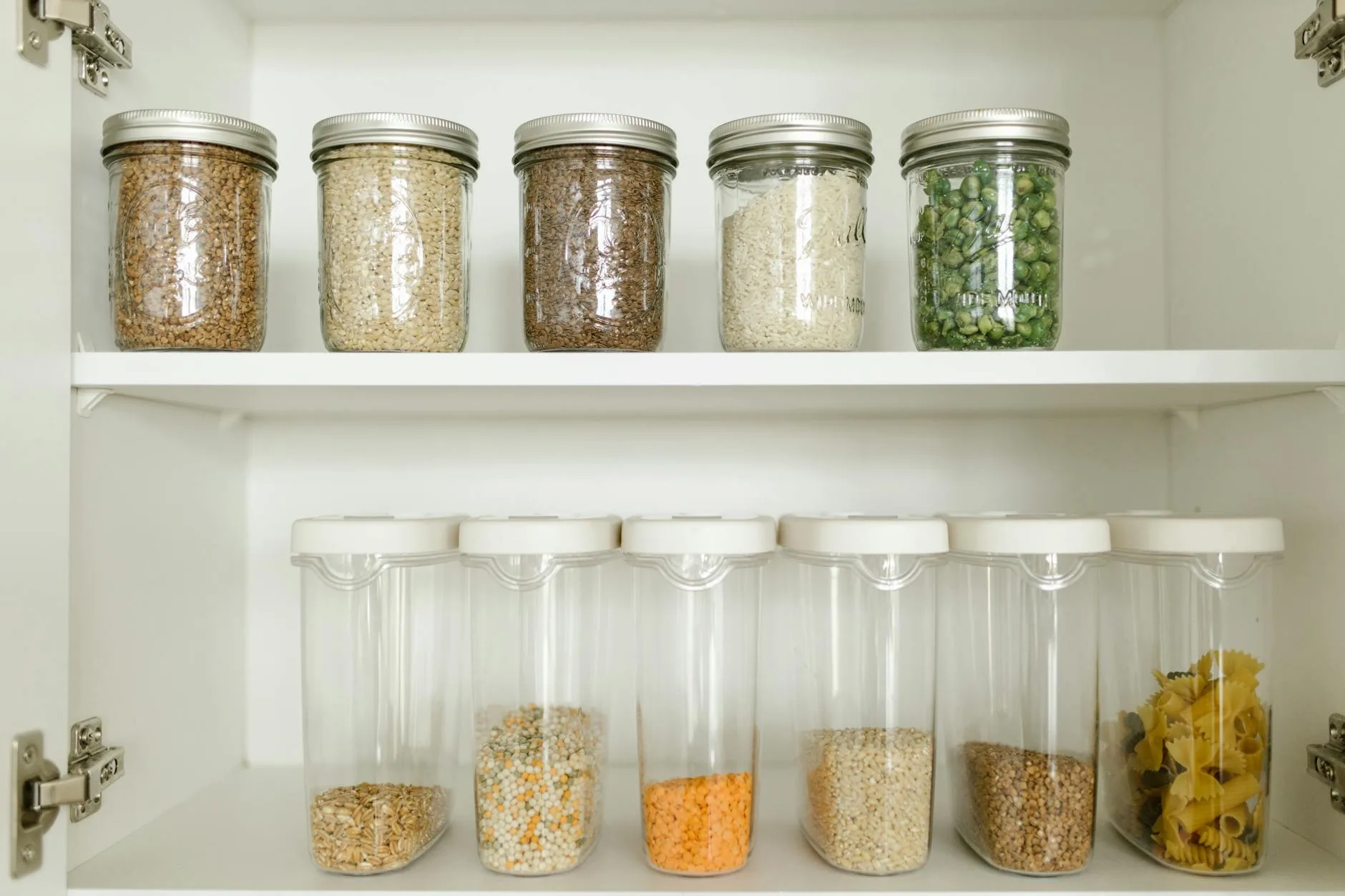
- Iris Airtight Pet Food Container — about £20-30 from Amazon UK. Available in sizes from 5kg to 15kg. Snap-lock lid, BPA-free, built-in scoop holder. The most popular option for good reason
- Curver Pet Food Container — about £15-25. Stylish design that doesn’t look like a pet product in the kitchen. Airtight lid with pour spout
- Simplehuman Pet Food Container — about £40-50. Premium option with a magnetic lid seal and fingerprint-proof stainless steel. Looks expensive because it is
General Kitchen Containers
Any food-grade airtight container works. Large clip-lock boxes from IKEA, Sistema, or Joseph Joseph do the job for £10-20. The key requirements:
- Airtight seal — test by closing the lid and pressing down. You should feel resistance from the trapped air
- Food-grade plastic or stainless steel — avoid non-food containers that may leach chemicals
- Large enough to fit the original bag inside, not just the loose kibble
- Opaque or stored in the dark — clear containers let light in
What About Metallic Bins
Traditional metal bins (like galvanised dustbin-style containers) look the part but have drawbacks. They’re not truly airtight, they can develop condensation inside during temperature changes, and the metal can react with the fats in kibble over time. If you use one, keep the food in its bag inside the bin. Our Best Cat Food 2026 UK: Complete Wet & Dry Brands guide is useful alongside this.
Should You Keep Food in the Original Bag
Yes. The PDSA recommends following the storage instructions on the packaging, which almost always means keeping food in the original bag.
Why the Bag Matters
- Barrier lining — most premium kibble bags have a multi-layer lining designed to slow oxidation. Pouring kibble into a container loses this protection
- Batch information — if there’s a recall, you need the batch number and best-before date. These are printed on the bag, not on your container
- Contamination prevention — oils from old kibble build up on container walls. If you pour fresh kibble into a container that held old food without washing it thoroughly, the old rancid oils contaminate the new batch
When Tipping Into a Container Is OK
If your bag doesn’t reseal (some cheaper brands don’t have zip closures), transferring to a container makes sense. Just wash the container thoroughly with hot soapy water between bags and let it dry completely before refilling.
Where to Store Dog Food
Best Locations
- Kitchen cupboard — cool, dark, consistent temperature. The ideal spot
- Utility room — good if it’s dry and not near a washing machine or tumble dryer (humidity)
- Pantry or larder — if you’ve got the space, perfect conditions
Acceptable Locations
- Garage — only if insulated and dry. Uninsulated garages in the UK swing from near-freezing to 30°C+ in summer. Those temperature extremes accelerate degradation
- Under the stairs — fine if it’s dry. Watch for dampness in older houses
Locations to Avoid
- Conservatory or sunroom — too much light and heat variation
- Near a radiator or boiler — consistent warmth speeds up fat oxidation
- Outside in a shed — temperature swings, moisture, and pest access make this the worst option
- On top of a tumble dryer or washing machine — vibration and heat from appliances
How Long Does Opened Kibble Last
Most manufacturers recommend using opened kibble within 4-6 weeks. Some brands specify up to 8 weeks if stored properly.
The Practical Rule
- Buy bags your dog will finish in 4-6 weeks — if your small dog takes 3 months to get through a 15kg bag, buy the 7.5kg bag instead. The per-kilo cost is higher but the food stays fresh
- Check the best-before date — this applies to unopened bags. Once opened, the 4-6 week clock starts regardless of the printed date
- Your nose knows — fresh kibble has a distinct meaty or biscuity smell. If it smells flat, musty, or rancid, it’s past its best
Storing Wet Dog Food
Unopened Tins and Pouches
Store in a cool cupboard. Wet food has a long shelf life unopened — typically 2-3 years for tins, 12-18 months for pouches. Check the best-before date.
Opened Wet Food
- Transfer to a covered dish or container — never leave an open tin in the fridge uncovered. The tin can oxidise and taint the food
- Refrigerate immediately — opened wet food must go in the fridge within 2 hours
- Use within 2-3 days — some brands say up to 5 days but 2-3 is safer, especially for pouches
- Bring to room temperature before serving — cold food straight from the fridge can upset some dogs’ stomachs. Let it stand for 15-20 minutes or microwave briefly
Silicone Tin Covers
A £3-5 silicone pet food lid from Pets at Home or Amazon fits over standard opened tins and creates a decent seal. Much better than cling film, which doesn’t seal properly and is wasteful.
Storing Raw Dog Food
Raw feeding requires stricter storage because you’re dealing with raw meat.
Freezer Storage
- Keep frozen at -18°C or below until ready to use
- Portion into daily amounts before freezing — defrosting a large block and refreezing defeats the purpose
- Use within 3-4 months from the production date for best quality
Defrosting
- Defrost in the fridge overnight — never on the kitchen counter. Room temperature defrosting creates a bacterial risk
- Use within 24 hours of full defrost
- Never refreeze raw food that has been fully defrosted
Hygiene
Raw dog food carries the same food safety risks as raw meat for humans. Clean bowls, surfaces, and hands after handling. Keep raw food separate from human food in the fridge — ideally on the bottom shelf where drips can’t contaminate other items. If you’re looking for guidance on choosing good quality dog food, our label reading guide helps you spot what matters on the packet. We cover a similar decision in Best Puppy Food 2026 UK: From Weaning to 12 Months.
Signs Your Dog Food Has Gone Off
- Rancid or sour smell — fresh kibble should smell meaty or biscuity. A sharp, acidic, or “off” smell means the fats have oxidised
- Visible mould — check inside the bag, not just the top layer. Mould can develop deep in the bag where moisture collects
- Insect activity — pantry moths, weevils, or ants in the bag mean it’s contaminated. Bin it
- Dog refusing to eat — dogs have a strong sense of smell. If your dog suddenly loses interest in food they normally wolf down, the food may have gone stale before you notice
- Change in colour or texture — kibble that’s darker, lighter, or stickier than usual has likely been affected by moisture or heat
- Condensation inside the bag or container — water droplets on the inside of the bag mean moisture has got in. Even if the kibble looks fine, mould development is likely
If you want to make sure you’re buying the best quality food in the first place, our recommended brands guide covers the options worth paying for.
Common Storage Mistakes
- Leaving the bag open — even for a few hours while you’re out. Clip it shut every single time
- Storing in direct sunlight — that kitchen windowsill is convenient but terrible for food preservation
- Not cleaning containers between bags — rancid oil builds up on container walls and contaminates fresh food. Wash with hot soapy water and dry thoroughly between every bag
- Buying bags too large for your dog’s consumption — a 15kg bag is cheaper per kilo but worthless if the last 5kg goes stale. Match bag size to a 4-6 week consumption window
- Using the original bag without a container — the bag alone isn’t pest-proof. Mice can chew through most kibble bags overnight
- Mixing old and new food in the same container — always finish the old bag before opening a new one. Mixing means the old food contaminates the new
- Storing near cleaning products — kibble can absorb strong odours from nearby chemicals. Keep it away from bleach, detergents, and air fresheners
Frequently Asked Questions
Can I freeze dry dog food to make it last longer? You can, but it’s not necessary if you’re storing properly. Freezing can slightly change the texture when thawed (moisture from condensation), and most kibble lasts 4-6 weeks at room temperature in an airtight container. Freezing makes more sense for raw or wet food.
Is it safe to store dog food in the garage? Only if the garage is dry, insulated, and doesn’t experience extreme temperature swings. Most UK garages get cold in winter and hot in summer, which accelerates food degradation. A kitchen cupboard is always better.
How do I stop ants getting into dog food? Use a sealed airtight container — ants can’t penetrate a proper snap-lock lid. If ants are already a problem, place the container legs in small dishes of water to create a moat, and check for entry points near where you store the food.
Should I wash my dog’s food bowl between meals? Yes — after every meal. Bacteria from saliva and food residue multiply quickly on unwashed bowls, especially in warm weather. Wash with hot soapy water or run through the dishwasher. Stainless steel bowls are the most hygienic option.
Does expensive dog food go stale faster than cheap food? Often yes, because premium kibble tends to have higher fat content (real meat fats rather than preservative-heavy formulations). More fat means faster oxidation when exposed to air. This makes proper storage even more important for premium brands.