Your dog has just dragged you past three joggers, a cyclist, and someone’s cat. Your shoulder aches, the lead is cutting into your hand, and your dog is oblivious — tail wagging, tongue out, having the time of their life while you question every decision that led to this moment. Sound familiar?
A proper no-pull harness changes the dynamic completely. Instead of fighting your dog on every walk, the right harness redistributes the pressure, gives you genuine control, and — crucially — doesn’t hurt your dog’s neck the way a flat collar can when they lunge. After testing the most popular options with dogs of every size and temperament across the UK, here are the harnesses that actually work.
In This Article
- Best Overall Dog Harness
- How No-Pull Harnesses Work
- What to Look for in a Dog Harness
- Best Dog Harnesses Compared
- Julius-K9 IDC Powerharness
- Ruffwear Front Range Harness
- Halti No Pull Harness
- Perfect Fit Harness
- Rabbitgoo No-Pull Dog Harness
- Embark Adventure Dog Harness
- Head to Head: Which Harness Should You Buy?
- Harness vs Collar: When Does It Matter?
- How to Measure Your Dog for a Harness
- Bottom Line
- Frequently Asked Questions
Best Overall Dog Harness
The Julius-K9 IDC Powerharness is the best dog harness for most owners in the UK. It’s built like a tank, fits reliably across breeds from French Bulldogs to German Shepherds, and the front chest strap provides solid no-pull functionality without the gimmicks. Priced around £25-40 depending on size, it’s available from Pets at Home, Amazon UK, and most independent pet shops. If you only read this far — that’s the one to buy.
But dogs are individuals. A harness that works brilliantly on a stocky Labrador might slip on a narrow-chested Whippet. Keep reading for the full breakdown.
How No-Pull Harnesses Work
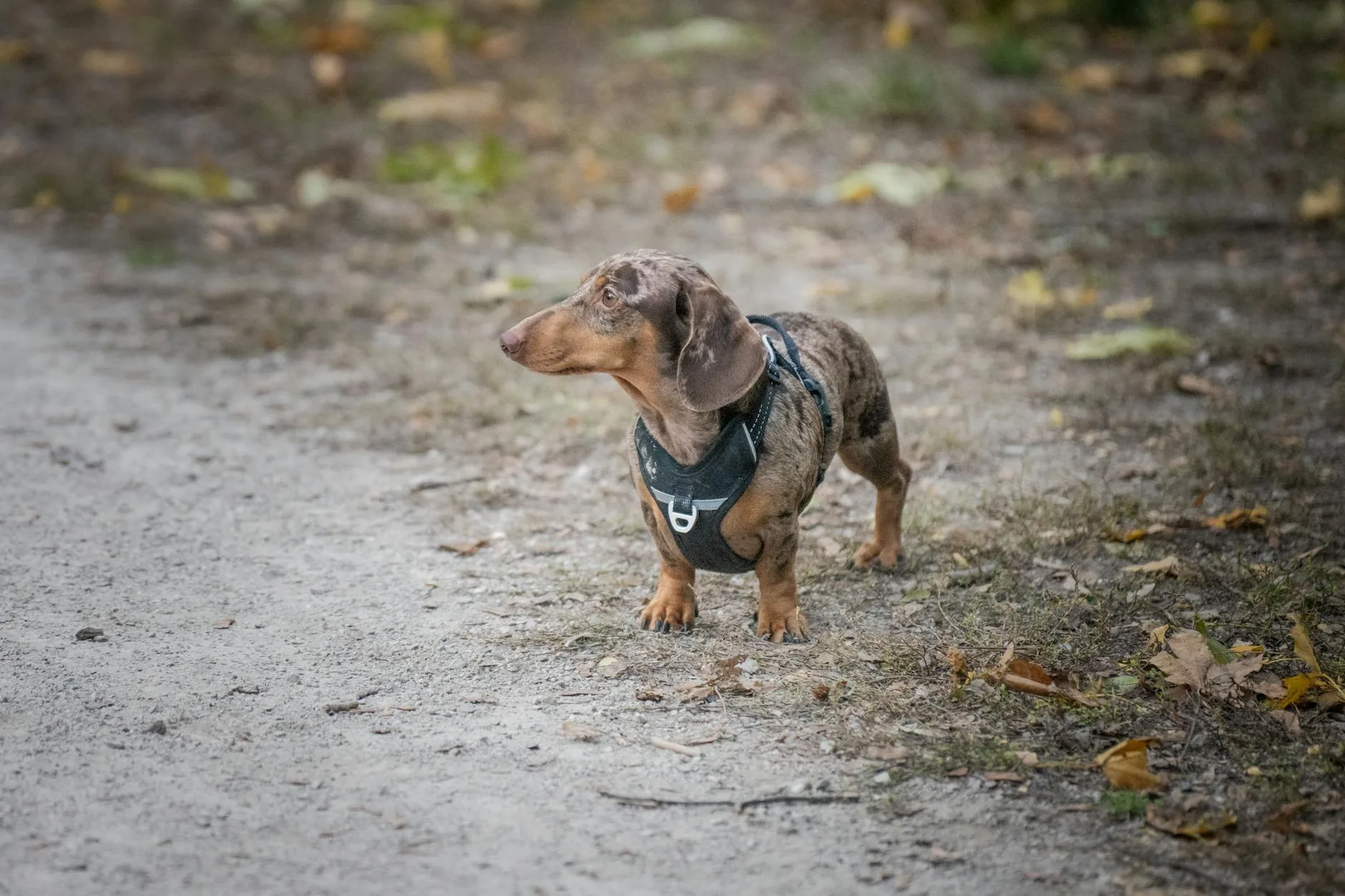
Traditional collars concentrate all the force on your dog’s neck when they pull. That’s uncomfortable at best and potentially dangerous for breeds prone to tracheal issues — Pugs, French Bulldogs, Dachshunds, and any brachycephalic breed.
No-pull harnesses solve this in two ways:
Front-Clip Design
The lead attaches to a ring on the dog’s chest. When they pull forward, the harness gently redirects them to the side, turning them back toward you. It’s self-correcting — the dog learns that pulling doesn’t get them where they want to go.
Dual-Clip Design
Both front and back attachment points. You can use the front clip for training and switch to the back clip once loose-lead walking improves. Most quality harnesses now include both options.
The key thing: no-pull harnesses work through redirection, not discomfort. They don’t squeeze, tighten, or pinch. If a harness claims to “correct” pulling through tightening mechanisms, avoid it — that’s an aversive tool, and the RSPCA advises against their use.
What to Look for in a Dog Harness
Fit and Adjustability
The single most important factor. A poorly fitting harness rubs, chafes, and can restrict your dog’s shoulder movement. Look for:
- Multiple adjustment points — minimum two, ideally four (chest girth, belly strap, and shoulder straps)
- Y-shaped front — sits on the breastbone rather than across the shoulders, allowing free movement
- Snug but not tight — you should be able to fit two fingers between the harness and your dog’s body at any point
Padding
Unpadded harnesses dig into the skin, especially on short-coated breeds. Look for neoprene or fleece-lined chest plates and straps. Your dog is wearing this for an hour or more at a time — comfort matters.
Durability and Materials
- Nylon webbing is the standard — lightweight, strong, quick-drying
- Metal hardware (buckles, D-rings) outlasts plastic. Check the D-ring especially — cheap harnesses use thin metal rings that can bend under load
- Reflective stitching for winter walks — essential in the UK where you’ll be walking in the dark from October to March
Lead Attachment Points
- Back clip only: Easiest to use, but offers least pulling control. Fine for dogs that already walk nicely.
- Front clip only: Best for active pullers. Redirects momentum.
- Dual clip (front + back): Most versatile. Worth the small price premium.
If your dog is still learning, our guide to choosing between a harness and collar covers when each option is appropriate.
Best Dog Harnesses Compared
Here’s the quick overview before the detailed reviews:
- Julius-K9 IDC Powerharness — Best overall, £25-40, front-clip, bombproof build
- Ruffwear Front Range — Best premium, £35-45, dual-clip, excellent padding
- Halti No Pull Harness — Best for reactive pullers, £15-20, front-clip with steering control
- Perfect Fit Harness — Best for unusual body shapes, £20-35, three-piece modular design
- Rabbitgoo No-Pull Harness — Best budget, £12-18, dual-clip, surprisingly good for the price
- Embark Adventure Harness — Best for active dogs, £30-40, handle on back, waterproof
Julius-K9 IDC Powerharness
Price: ~£25-40 Type: Front-clip with back handle Sizes: Baby 1 (XS) to Size 4 (XXL) Where to buy: Pets at Home, Amazon UK, Julius-K9 website
The Julius-K9 is probably the most recognisable dog harness in the UK — you see them everywhere, from parks to police dogs. The IDC Powerharness is their flagship model, and it deserves its reputation. For a related angle, see our Best Cat Beds 2026 UK: Igloo, Radiator & Heated Options guide.
What We Like
- The build quality is exceptional. Thick nylon, heavy-duty stitching, metal D-rings that feel like they could tow a car. After six months of daily use, ours looked barely worn.
- Dead easy to put on. Slide over the head, clip the chest strap, done. Takes about five seconds, even with a wriggly dog.
- The chest plate is properly padded. Neoprene-lined with an inner fabric that doesn’t rub, even on short-coated breeds.
- Reflective elements are excellent. The entire chest plate edge has reflective stitching, plus the customisable patch area is reflective.
What Could Be Better
- No front clip for lead attachment. The D-ring is on the back, which provides less pulling control than front-clip designs. It does reduce pulling through the chest plate design, but active pullers may need a front-clip option.
- Sizing between breeds varies. A medium fits most Spaniels perfectly but can be loose on deeper-chested dogs of the same weight. Check their sizing chart carefully.
- The Velcro patches attract dirt. The customisable side patches (where people put name labels) collect mud and grass like magnets.
Who It’s For
Dogs of all sizes who need a tough, reliable everyday harness. Owners who want quick on/off without fiddling with multiple clips. Anyone who walks in all weather — this harness handles rain, mud, and river swims without complaint.
Ruffwear Front Range Harness
Price: ~£35-45 Type: Dual-clip (front + back) Sizes: XXS to L/XL Where to buy: Amazon UK, Decathlon, specialist pet retailers
Ruffwear is the premium outdoor brand — think of them as the Arc’teryx of dog gear. The Front Range is their everyday harness, and it’s the most comfortable option we’ve tested.
What We Like
- The padding is outstanding. Foam-padded chest and belly panels that move with your dog. After a two-hour hike, there were no rub marks whatsoever — impressive for a Whippet with almost no fur protection.
- Dual attachment points give real versatility. Front clip for training, back clip for relaxed walks.
- Four adjustment points mean you can dial in the fit precisely. This is the harness to choose for dogs with unusual proportions.
- The aluminium V-ring on top is lightweight but strong. Rated to the same load as the steel D-rings on cheaper harnesses but at half the weight.
What Could Be Better
- The price. At £35-45, it’s nearly double the Rabbitgoo. You’re paying for materials and design, which is fair, but it’s a lot for a harness.
- Takes longer to put on than the Julius-K9. Two clips and strap adjustments versus the K9’s single over-the-head design.
- Sizing runs slightly small. If your dog is between sizes, go up. The XS fits toy breeds but the step to S is quite a jump.
Who It’s For
Owners who do long walks, hikes, or trail runs with their dogs. Breeds with sensitive skin or thin coats (Whippets, Greyhounds, Italian Greyhounds). Anyone who wants the most comfortable harness available and doesn’t mind paying for it.
Halti No Pull Harness
Price: ~£15-20 Type: Front-clip with steering mechanism Sizes: Small to Large Where to buy: Pets at Home, Amazon UK, most pet shops
Halti (made by the Company of Animals) designed this harness specifically for dogs that pull hard. The unique selling point is a steering ring on the chest that redirects pulling momentum more aggressively than a standard front clip.
What We Like
- The no-pull mechanism actually works. The chest ring sits lower than most front clips, creating more rotational leverage. Dogs that ignore a standard front-clip harness often respond to this design.
- The price is excellent. Under £20 for a proper anti-pull harness from a reputable UK company.
- Includes a training guide. A booklet in the box with positive reinforcement walking tips. Small touch, really useful for first-time dog owners.
What Could Be Better
- Less padding than the premium options. The straps are nylon webbing without the foam padding of the Ruffwear or neoprene of the Julius-K9. Fine for short walks, but longer sessions may cause rubbing on some dogs.
- Durability is average. The stitching and hardware are adequate but not exceptional. Heavy chewers who mouth their harness will shorten its lifespan.
- Sizing is limited. Three sizes (S/M/L) means less precision than brands offering 6-8 size options. Some dogs fall between sizes.
Who It’s For
Owners with strong pullers who haven’t responded to standard front-clip harnesses. Budget-conscious buyers who want proven no-pull technology. Good as a training tool while you work on loose-lead walking.
Perfect Fit Harness
Price: ~£20-35 (for complete three-piece set) Type: Y-front, dual-clip, modular Sizes: Individually sized top, front, and girth pieces Where to buy: perfectfitharness.com, selected pet shops
This is the clever one. The Perfect Fit is a three-piece modular harness — top piece, front piece, and girth strap — each sized independently. If your dog has a deep chest but narrow shoulders (looking at you, Greyhounds), you pick the sizes that match each measurement rather than compromising with one overall size.
What We Like
- The modular sizing system is brilliant. Especially for breeds with non-standard proportions — sighthounds, barrel-chested breeds, deep-chested dogs like Boxers. If your dog doesn’t fit standard harnesses, start here.
- Fleece-lined at contact points. Soft against the skin, even on dogs with thin coats.
- Y-shaped front sits on the breastbone, not across the shoulders. Full range of shoulder movement for active dogs.
- Individual pieces are replaceable. If the girth strap wears out, you replace just that piece. Cost-effective long-term.
What Could Be Better
- More complex to fit initially. Three pieces to adjust rather than slipping one unit on. The first fitting takes 10-15 minutes of measuring and adjusting.
- Looks less “polished” than a one-piece harness. The clip connections are visible and functional rather than sleek. This is purely aesthetic — it works perfectly.
- Only available from the brand directly for most sizes. You can’t pop into Pets at Home and grab one.
Who It’s For
Sighthound owners (Greyhounds, Whippets, Lurchers). Dogs with unusual proportions. Rescue dogs whose body shape doesn’t fit standard sizing. Anyone who’s tried three harnesses and none of them fit properly.
Rabbitgoo No-Pull Dog Harness
Price: ~£12-18 Type: Dual-clip (front + back) Sizes: XS to XL Where to buy: Amazon UK
Rabbitgoo is the Amazon bestseller, and for good reason — it’s a dual-clip, padded, no-pull harness for under £18. At that price, the question isn’t whether it’s good, it’s whether the compromises matter. Our How to Brush Your Dog’s Teeth at Home guide is useful alongside this.
What We Like
- The price is remarkable. Dual-clip, padded, reflective, with four adjustment points for under £18. Nothing else comes close at this price.
- Surprisingly well-padded. The chest and belly panels use breathable mesh with foam padding. Not Ruffwear quality, but far better than you’d expect.
- Easy to fit. Two quick-release buckles, clear size guide, and the adjustments stay put once tightened.
What Could Be Better
- The hardware is plastic, not metal. The buckles and adjustment sliders are reinforced plastic. They hold fine for most dogs, but a strong dog lunging at full force could potentially snap a buckle. For dogs over 30kg, consider a metal-hardware option.
- The no-pull front clip is functional but basic. It works, but the positioning isn’t as refined as the Halti or Ruffwear. Very strong pullers may not notice much difference from a back-clip attachment.
- Stitching quality varies. Some seams show loose threads out of the box. Not a structural issue, but it doesn’t inspire confidence.
Who It’s For
Budget-conscious owners. Puppy owners who need a harness the dog will outgrow in months. Anyone who wants a decent everyday harness without spending £35+.
Embark Adventure Dog Harness
Price: ~£30-40 Type: Dual-clip with back handle Sizes: S to XL Where to buy: Amazon UK, embarkpets.com
The Embark Adventure is designed for active dogs — the ones that swim, run through undergrowth, and roll in things you’d rather not identify. The handle on the back is the standout feature for anyone who needs to physically guide their dog in tricky situations.
What We Like
- The back handle is really useful. Lifting a dog over a stile, guiding them into the car boot, restraining them when another dog approaches — a back handle transforms these situations from wrestling matches to simple manoeuvres.
- Waterproof webbing. The nylon is treated to resist water absorption. After a river crossing, the harness dries in about 20 minutes rather than staying soggy all day.
- Tough enough for brambles and undergrowth. The stitching and webbing held up to months of off-road walking without fraying.
What Could Be Better
- The fit is slightly bulky. The handle and extra padding add volume. On smaller breeds, it can look oversized and feel heavy relative to the dog.
- Only four size options. S/M/L/XL leaves gaps. Medium dogs around 15-18kg sometimes fall awkwardly between M and L.
- The front clip sits slightly high on some breeds, reducing the no-pull effectiveness compared to the Halti or Ruffwear placement.
Who It’s For
Dogs that spend time off-lead in the countryside. Owners who need a back handle for car loading, stile climbing, or physical control. Active dogs that swim and get mucky regularly. If you deal with dog car safety situations frequently, the handle makes loading much easier.
Head to Head: Which Harness Should You Buy?
- Best overall: Julius-K9 IDC Powerharness. Toughest build, easiest to put on, works for every breed size.
- Best for strong pullers: Halti No Pull Harness. The dedicated no-pull mechanism works where standard front clips fail.
- Best for comfort: Ruffwear Front Range. The most padded, most adjustable harness available. Worth the premium for long walks.
- Best for unusual body shapes: Perfect Fit Harness. The modular system solves the “nothing fits my dog” problem.
- Best on a budget: Rabbitgoo No-Pull. Dual-clip and padded for under £18. Hard to beat for the money.
- Best for active/outdoor dogs: Embark Adventure. Waterproof, tough, with that invaluable back handle.
Harness vs Collar: When Does It Matter?
Not every dog needs a harness. If your dog walks on a loose lead reliably, a flat collar with an ID tag is perfectly fine. But a harness is the better choice for:
- Puppies — their necks are developing and vulnerable to collar pressure
- Brachycephalic breeds (Pugs, Frenchies, Bulldogs) — compromised airways make collar pressure risky
- Strong pullers — a harness gives you control without the neck injury risk
- Dogs with tracheal issues — collapsing trachea is common in small breeds
- Reactive dogs — a harness gives you physical control without the “choking” sensation that can increase reactivity
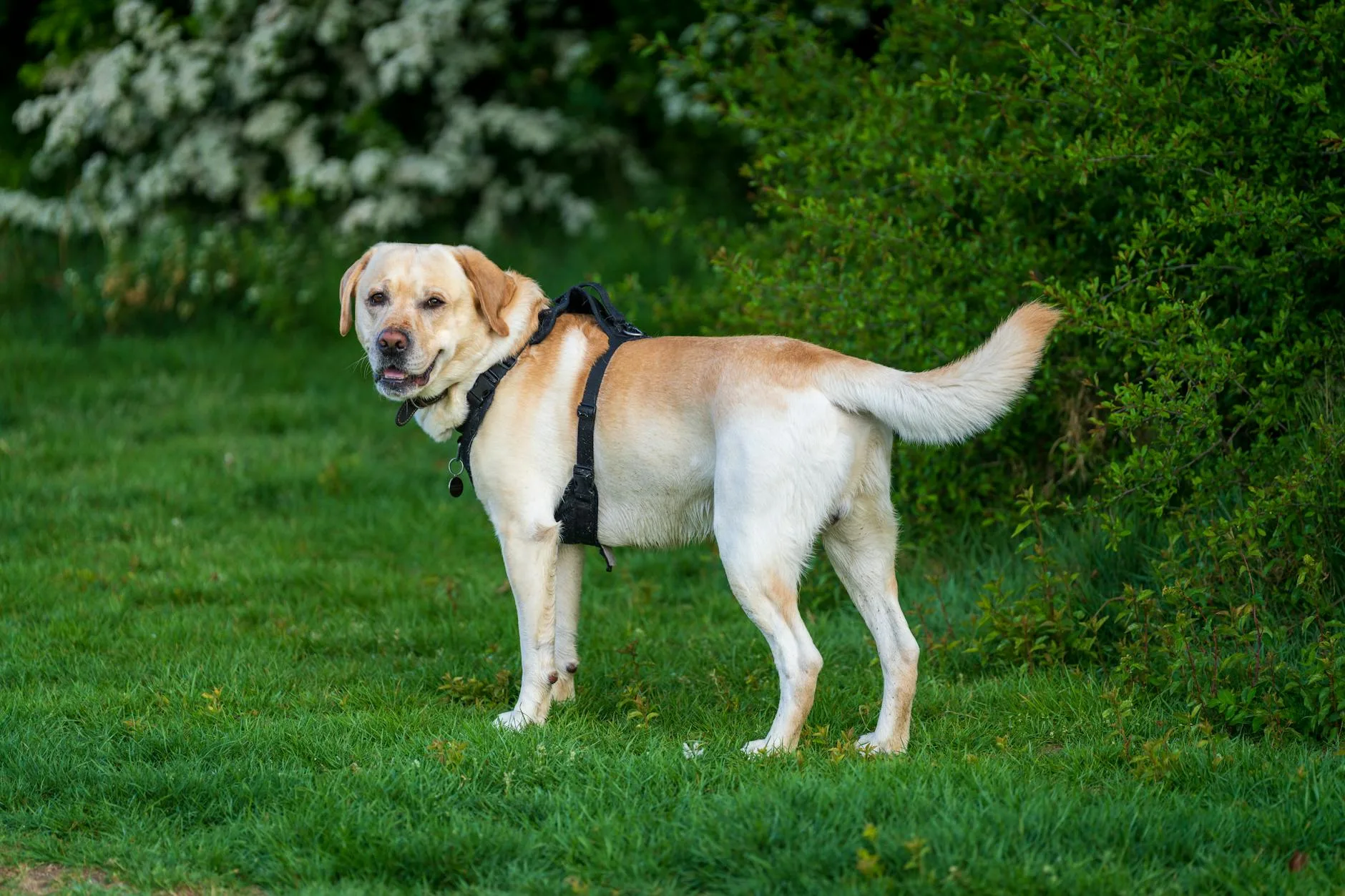
If you’re unsure which approach suits your dog, our guide on harness vs collar breaks down the pros and cons of each option. And if you’re specifically training recall, a long line attached to a harness is safer than a long line on a collar — less risk of neck injury if your dog hits the end at speed.
How to Measure Your Dog for a Harness
Getting the right size makes or breaks a harness. Here’s how to measure:
- Girth (chest): Wrap a soft tape measure around the widest part of the ribcage, just behind the front legs. This is the primary measurement for most harnesses.
- Neck: Measure around the base of the neck, where a collar would sit. Some harnesses (especially over-the-head designs) need this.
- Weight: Most brands use weight ranges as secondary sizing. If your dog is between sizes by girth, weight helps decide.
Getting the Fit Right
- Two-finger rule: You should be able to slide two fingers between the harness and your dog at any point. Tighter restricts movement; looser allows escape.
- Check the front panel sits on the breastbone, not pressing against the shoulder joints or the throat.
- Watch your dog walk. The harness should stay centred — if it rotates to one side, the girth strap needs tightening.
- Re-check monthly. Dogs change shape with the seasons (winter coat, weight fluctuation). A harness that fit in August may need adjusting by November.
Bottom Line
The Julius-K9 IDC Powerharness is the best dog harness for most UK owners — tough, comfortable, and dead simple to use. It’s the one we’d put on our own dogs.
For strong pullers that ignore standard harnesses, the Halti No Pull is the training tool to try first. If comfort is the priority for long walks and hikes, the Ruffwear Front Range justifies its premium. And if budget is tight, the Rabbitgoo at under £18 is remarkably good for the price.
Whatever you choose, a well-fitting harness beats a collar for safety and control. Measure properly, adjust carefully, and your walks will be better for both of you.
Frequently Asked Questions
Are no-pull harnesses safe for dogs? Yes. Quality no-pull harnesses work through gentle redirection, not pain or discomfort. They distribute pressure across the chest and torso rather than concentrating it on the neck. The RSPCA recommends harnesses over collars for dogs that pull.
What size dog harness do I need? Measure your dog’s chest girth (around the widest part of the ribcage behind the front legs) with a soft tape measure. Compare this to the brand’s size chart. If your dog falls between sizes, go up — a slightly loose harness is safer than a tight one.
Can a dog wear a harness all day? It’s best to remove the harness when your dog is at home and unsupervised. Prolonged wear can cause rubbing, matting in long-coated breeds, and there’s a risk of the harness catching on furniture or crate bars. Put it on for walks, take it off when you’re home.
How do I stop my dog pulling on the lead? A front-clip harness helps mechanically, but it’s not a training solution on its own. Combine the harness with positive reinforcement training — reward your dog for walking beside you, change direction when they pull, and be consistent. Most dogs improve within 2-4 weeks.
How often should I replace a dog harness? Inspect the harness monthly for frayed stitching, cracked buckles, or worn padding. A quality harness lasts 2-3 years with daily use. Replace immediately if any hardware is damaged — a buckle failure with a reactive dog near a road is a serious safety risk.