Choosing food for an older dog comes down to three practical questions: are they keeping a healthy weight, can they chew and digest the food comfortably, and has your vet flagged any condition that needs a different diet? A senior dog food guide should not push every grey-muzzled dog onto the same bag of kibble. The right answer might be a £55 bag of senior dry food from Pets at Home, a £1.60 wet tray from Zooplus, a vet renal diet at £75 a bag, or simply smaller portions of a food that still suits them.
In This Article
- Why Diet Matters More for Senior Dogs
- Essential Nutritional Needs of Senior Dogs
- Comparing Wet, Dry, and Mixed Senior Dog Foods (With Typical UK Prices)
- Vet-Prescribed and Special Diets (With Cost Considerations)
- Portion Control and Feeding Frequency for Older Dogs
- Transitioning to a New Diet: A Step-by-Step Schedule
- Warning Signs of Nutritional Issues in Senior Dogs
- Frequently Asked Questions
Why Diet Matters More for Senior Dogs
As dogs enter their senior years (usually from age 7 for most breeds, or 5–6 for giant breeds), their bodies undergo profound changes. Muscle mass may decrease, fat reserves can grow, and important organs such as the kidneys and heart gradually become more susceptible to stress and disease. The immune system weakens, making older dogs more prone to infections, while their digestive system may lose efficiency. This combination often results in:
- Decreased Calorie Needs: Senior dogs tend to burn fewer calories, risking unwanted weight gain.
- Heightened Risk of Chronic Disease: Issues like kidney or liver dysfunction, heart disease, diabetes, arthritis, dental disease, and cancer become more prevalent.
- Shifting Appetite and Sense of Smell: Many older dogs become fussier eaters or lose interest in food, while others maintain a strong appetite but are more likely to gain excess weight due to less physical activity.
Why Adjusting Diet Really Matters
The food that was ideal for your adult dog may be too rich or difficult to digest for a senior—sometimes contributing to or accelerating health issues. By switching to a senior-specific diet, owners can:
- Support joint health and lean muscle maintenance
- Control calorie intake to prevent obesity or muscle wasting
- Ease the digestive workload on ageing organs
- Address specific age-related medical issues
For more on why these changes matter, review the PDSA dog diet advice. If you notice sudden changes in appetite, weight, or overall behaviour, a timely conversation with your vet is strongly advised; the PawPicks guide to spotting when your dog is overweight is a useful starting point for body-condition checks at home.
Essential Nutritional Needs in This Senior Dog Food Guide
With advancing age, a dog’s dietary requirements diverge from those of young adults. Vet-approved senior dog foods place special emphasis on a few key nutritional priorities:
Macronutrient Balance
- High-Quality, Moderate Protein: Protein remains vital for maintaining muscle mass and supporting immune function. Aim for senior foods containing 20–28% protein (dry basis), with animal-based ingredients—unless your vet recommends otherwise due to kidney or liver problems. Ask your vet about protein level if your dog has kidney or liver disease.
- Reduced Fat and Calories: With lower activity, senior formulas typically reduce total kilocalories and moderate fat levels to help prevent weight gain and related health risks.
- Digestible Carbohydrates: Easy-to-digest grains (e.g., rice, barley) or moderate starchy vegetables provide energy without taxing the digestion. Contrary to some marketing, grain-free is not automatically better—read the pros and cons of grain-free dog food.
Vital Micronutrients
- Omega-3 + 6 Fatty Acids: Increase in foods using fish oil or flaxseed oil, supporting brain function, skin, coat, and joint health. Senior formulas often advertise added EPA and DHA from marine sources.
- Glucosamine & Chondroitin: Joint supplements are commonly included in senior and “mobility” diets to ease stiffness and improve mobility. Dosage in food complements (but does not necessarily replace) oral supplements, which cost £18–£35/month for popular UK options (see joint supplement options).
- Antioxidants: Enhanced levels (e.g., vitamin E, vitamin C, selenium) may slow age-related cognitive decline and boost immune defences against chronic disease.
- Fibre & Digestive Support: Moderate fibre content helps regulate gut motility; prebiotics (often listed as FOS, MOS, or inulin) and probiotics support an ageing digestive tract. These are especially valuable if your dog has inconsistent stools or constipation.
Special Considerations
If your dog has a health issue (such as kidney, heart, or dental disease), your vet may advise further dietary adjustments beyond standard senior foods. Homemade diets are rarely balanced for seniors unless formulated under veterinary guidance. Always weigh new food with a kitchen scale (£8–£20, found at Amazon UK or Pets at Home) to prevent accidental overfeeding.
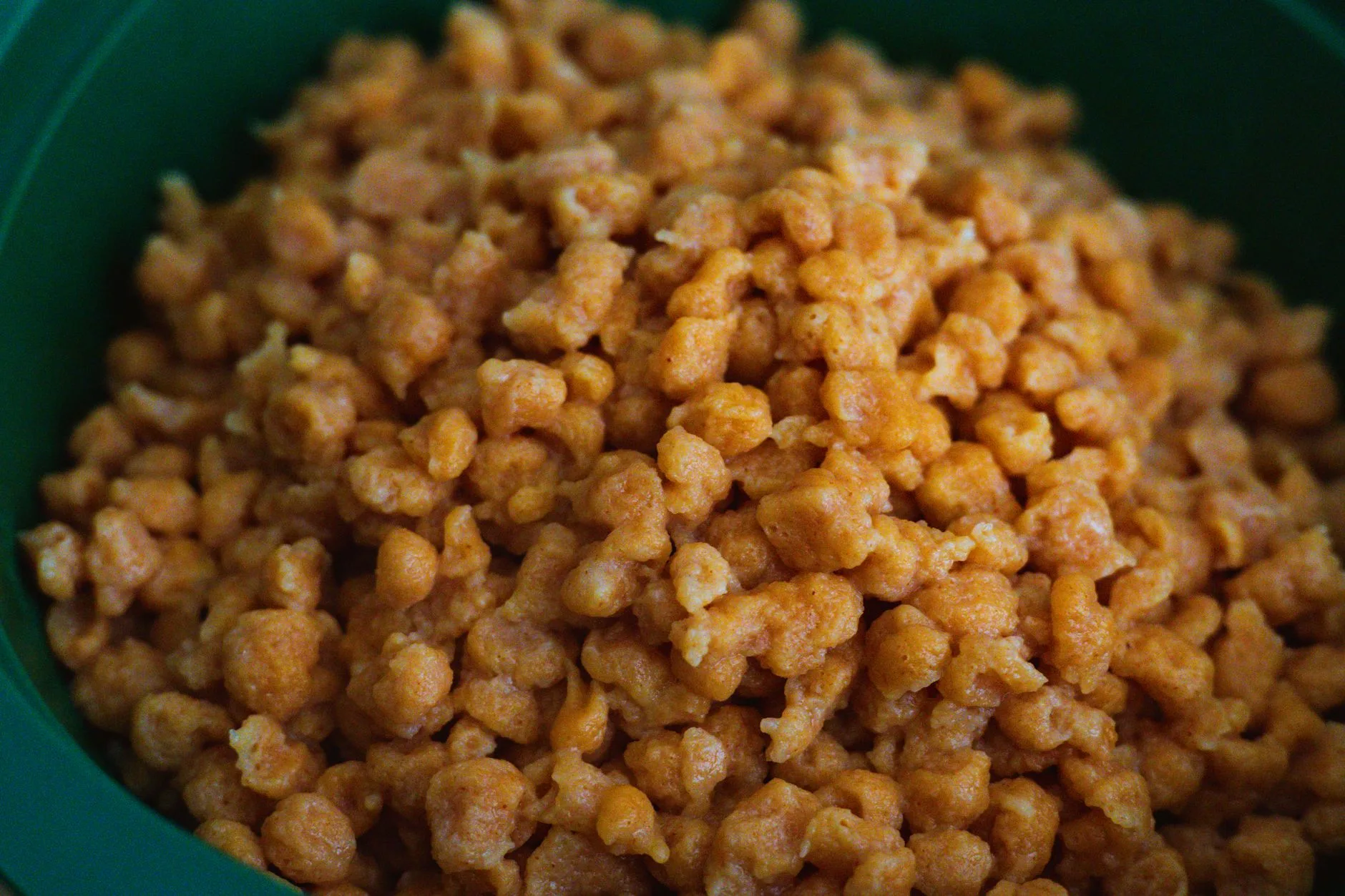
Comparing Wet, Dry, and Mixed Senior Dog Foods (With Typical UK Prices)
Finding the right food format, and knowing what it’ll cost long-term, is often the first big hurdle—especially if your senior dog is fussy, has dental troubles, or has fluctuating appetite.
Dry (Kibble) Senior Dog Foods
- Benefits: Long shelf-life, easy storage, usually the best value per serving. Crunchy texture helps reduce plaque but may be too hard for dogs with severe dental disease.
- Price Range in the UK: £45–£75 for a 12kg bag at Pets at Home, Jollyes, Zooplus, or Amazon UK, equating to roughly £2.75/day for a medium (15–20kg) dog. Premium veterinary brands (Royal Canin, Burns, Harringtons, Arden Grange) trend towards the upper end, while own-label (Wilko, Sainsbury’s) options begin at around £33–£36/12kg.
- Brands to Consider:
- Royal Canin Maxi Ageing 8+: About £69–£75/15kg
- Burns Senior+: Roughly £53/12kg
- Harringtons Senior: £45/12kg
Wet Senior Dog Foods
- Benefits: Softer and more aromatic, which suits ageing dogs with dental pain or diminished sense of smell/taste. Higher moisture content aids hydration but costs more per calorie.
- Price Range in the UK: £1-£3 per tray (150–400g) or can, commonly available at major supermarkets, Pets at Home, or online at Zooplus. For a 15kg senior dog, daily costs can be £4-£7 depending on appetite and energy use.
- Popular Choices:
- Lily’s Kitchen Senior Wet Trays: About £2 each
- Forthglade Complete Senior: Roughly £1-£2/tray
- Butcher’s Senior: £1 per can
Mixed (Combined Wet + Dry) Feeding
- Benefits: Blending the value/tooth benefits of kibble with the palatability of wet food. Owners typically feed 50:50 by caloric value (not by weight or volume). This is often ideal for picky eaters or where one food alone is either too costly or unpalatable.
- Monthly Cost Example: Using Burns dry (£2 per day for a 15kg dog) and Forthglade wet (£1 per day), a 50:50 mix costs about £3 daily.
Fresh, Frozen & Subscription Meals
- Features: Some older dogs thrive on gently cooked, lightly processed diets. UK subscription services (Butternut Box, Different Dog) list all ingredients and tailor portions by age, size, and health needs.
- Cost: £3-£5 per day for a 10–15kg dog, £4-£8+ daily for 30kg+. High convenience, but premium pricing.
- Popular Services:
- Butternut Box: Starts around £3 per day
- Different Dog: £3–£6/day, depending on plan and size
- Large-breed cost check: A 30kg+ senior can easily reach £90–£150+ per month on fresh food, which puts subscription feeding into premium territory.
How to Choose the Right Type for Your Dog
- Dental status: Softer foods for severe dental disease.
- Appetite: Wet or warm food to aid picky eaters; consider using wet food as a topper on dry.
- Budget: Dry food is the most affordable for long-term feeding; subscription meals offer convenience but cost much more for medium and large breeds.
Find more current calculations in How Much Does Dog Food Cost Per Month in the UK?.
#### Typical UK Price Comparison
- Dry senior food: Royal Canin, Burns or Harringtons usually sit around £45-£75 per 12kg bag and suit owners who need value, shelf life and measured portions.
- Wet senior food: Lily’s Kitchen, Forthglade and Butcher’s senior trays or cans usually cost £1-£3 each and suit dogs with dental discomfort or reduced appetite.
- Mixed feeding: Combining dry and wet food often lands around £2.50-£5 per day for a 15kg dog, depending on the wet-food portion.
- Fresh subscription food: Butternut Box and Different Dog usually cost £3-£8+ per day, with larger breeds at the higher end.
Prices vary by dog size, retailer and current offers. The useful comparison is daily feeding cost, not the pack price on its own.
Vet-Prescribed and Special Diets (With Cost Considerations)
Some health conditions unique to senior dogs require prescription or special diets—typically sourced through your vet, with select repeat prescriptions available from specialist online pharmacies.
When is a Vet Diet Needed?
- Chronic Kidney Disease (CKD): Formulas (Hill’s k/d, Royal Canin Renal, Purina NF) reduce protein, phosphorus, and sodium. These start at £65–£95 per 12kg (dry), £2-£3 per wet pouch. Early-stage support may focus on simply switching to lower-phosphorus mainstream diets—always clarify recommendations with your vet.
- Heart Disease: Foods lower in sodium (Royal Canin Cardiac, Hill’s h/d). Similar price range: £60–£90 per bag.
- Diabetes & Obesity: High-fibre, tailored carb recipes optimise blood sugar. Expect £60–£90/12kg for options like Royal Canin Diabetic or Hill’s w/d.
- Food Allergies/Sensitivity: Hydrolysed or novel protein diets. Purina HA, Royal Canin Hypoallergenic: £65–£90 per 10–14kg.
Where & How to Buy Vet Diets in the UK
- Via Vet Practice: Most commonly, you’ll receive an initial bag from your vet with regular health checks alongside.
- Repeat Online: With a valid vet prescription, order from retailers such as Pet Drugs Online or Jollyes. Online prices are often comparable, but check shipping and prescription fees before assuming the headline price is cheaper.
- Supervised Transition: Always implement under veterinary advice—sudden self-switching can harm fragile seniors.
#### Potential Long-Term Costs and Budgeting Feeding a 15kg dog on a vet diet can easily reach £70–£120/month, particularly if on a wet-only plan. Owners with large/giant-breed seniors may pay even more. If your vet recommends supplements (joint, antioxidants), factor in an additional £15–£40/month depending on product and size (review top-rated UK joint supplements).
Helpful Additions & Tools
- Raised Bowls: For older or arthritic dogs, consider sturdy raised bowls (£12–£35 at Amazon UK or Pets at Home).
- Slow Feeders: For speedy eaters, slow feeding bowls (£6–£18) can reduce choking or digestive upset.
For more on gastrointestinal diets and troubleshooting, check dog food for sensitive stomachs.

Portion Control and Feeding Frequency for Older Dogs
Overfeeding, underfeeding, and poor meal timing can all impact your senior dog’s health, weight, and day-to-day comfort.
Basic Portioning for Senior Dogs
- Calorie Reduction: Expect to reduce total calories by 15–25% compared to adult requirements. Use the feeding guide on packaging as a starting point, but adjust based on your dog’s weight, breed, and lifestyle.
- Weigh Ingredients: Always measure with a kitchen scale (from £8–£20). Guesswork leads to gradual weight gain or loss—especially with calorically dense or high-fat foods.
Frequency and Scheduling
- Meal Splitting: Two meals per day (morning and early evening) are optimal for most seniors, minimising blood sugar fluctuations and digestive stress. Some seniors, especially those with sensitive digestion or prone to vomiting bile, may benefit from three smaller meals.
- Routine is Key: Feed at the same times each day; inconsistency can increase anxiety, stomach upset, or incontinence in older dogs.
Examples and Practical Adjustments
- Example (15kg Senior):
- Dry Food: Package recommend may be approx. 170–200g/day (500–600kcal), split over 2 feeds (e.g., 90–100g morning, 90–100g evening).
- Wet Food: Approx. 600–650g daily (depending on kcal/100g stated on packaging).
- Frequent Monitoring: Weigh monthly. Adjust feeding amounts if you can’t easily feel ribs or see a defined waist, or if you notice weight creep up.
Ways to Encourage Senior Dogs to Eat Well
- Fussy or Slow Eater?
- Warm wet food slightly (20–30 seconds in microwave) to boost aroma.
- Try hand-feeding initially or using puzzle/slow feeders.
- Move the feeding area to a quiet, draft-free corner if your dog seems anxious at mealtime.
- If Appetite Wanes:
- Rule out dental pain, nausea, or medication side effects promptly. If appetite changes suddenly, treat that as a health clue rather than a preference problem.
Monitoring & Adjusting
- Sudden Disinterest or Rapid Eating Changes: If your senior dog skips two or more meals without clear cause, or starts eating ravenously without gaining weight, seek a vet’s input immediately.
Transitioning to a New Diet: A Step-by-Step Schedule
Diet changes for older dogs must be gradual to avoid gastrointestinal upset for sensitive or already-vulnerable systems.
The Seven-Day Transition Plan
- Day 1–2: Mix 20–25% new food with 75–80% of your dog’s old food at every meal. Watch stools and eating behaviour closely.
- Day 3–4: Move to a 40–50% new, 50–60% old split.
- Day 5–6: Increase to 70–75% new food, reducing old food to 25–30%.
- Day 7+: Serve 100% new diet. Continue regular observation.
Transitioning with Sensitive Dogs or Existing Health Issues
- If your dog has a history of digestive upset (e.g., previous pancreatitis or food intolerances), consider doubling each transition stage. Some transitions can take up to 14 days.
- Avoid introducing new treats or table scraps during the switch.
- Feed smaller, more frequent meals in transition, especially if appetite, vomiting, or diarrhoea become problematic.
Stepwise Approach for Adding Supplements
- Introduce any new supplement one at a time (joint, probiotic, vitamin) during the diet transition rather than all together. Monitor for intolerance or allergies.
- Discuss multi-supplement regimens with your vet, especially if your dog’s on prescription medication.
Tools For a Trouble-Free Diet Switch
- Kitchen Scales: Ensure precise measurement (Amazon UK, Pets at Home: £8–£20)
- Meal Diary: Keep a daily log of meal amount, stool texture, energy level for 10–14 days after change.
- Consult Your Vet: If your senior shows ongoing diarrhoea, vomiting, refusal to eat, or rapid weight loss, discontinue the transition and seek professional support.
For more help with transitioning specific breeds or those with chronic health issues, consult the Royal Kennel Club guide on senior dog feeding.
Warning Signs of Nutritional Issues in Senior Dogs
Even attentive owners may miss the subtle or not-so-subtle signals that something is wrong with an older dog’s diet. Knowing what to watch for helps you take action early.
Physical Signs To Monitor
- Noticeable Weight Loss or Gain: Rapid (weeks to a month) changes suggest over- or under-feeding, metabolic shifts, or an underlying medical issue.
- Persistently Loose Stools or Vomiting: This may reflect poor digestibility, allergy, or another health problem. Chronic diarrhoea (lasting more than 48 hours) merits immediate vet attention.
- Dry, Flaky, or Itchy Skin: Lack of essential fatty acids or potential new food allergy.
- Matt, Dull Coat: May signal not enough protein, zinc, or omega oils in the new food.
- Increased Thirst & Urination: Markedly more water intake or urination is not normal for seniors and can signal kidney, diabetes, or Cushing’s disease.
- Bad Breath/Oral Trouble: Disinterest in food, excessive drooling, or difficulty chewing typically signals dental disease—ask your vet to check their teeth before changing food again.
- General Lethargy or Weakness: While sometimes a normal slowdown, sharp changes can indicate disease or nutrient imbalances.
Behavioural and Digestive Red Flags
- Sudden Food Refusal: If your long-time food lover begins to avoid meals or appears afraid of their food bowl, check for pain, anxiety, tainted food, or underlying disease.
- Excessive Gas, Bloating, Stomach Noises: Often point to an unsuitable ingredient, especially after a diet swap.
- Pain on Movement or Reluctance to Rise: Not always arthritis—may relate to weight gain or improper nutrition.
If you observe any of these warning signs, do not make further dietary changes before consulting your vet. More detail is found in the Royal Kennel Club senior dogs advice.
Frequently Asked Questions
How do I know my dog needs to switch to senior food? Age alone isn’t the sole indicator. See your vet regularly from age 7 (sooner in large breeds), or if your pet slows down, gains weight, or their coat/condition changes.
Is grain-free the best option for older dogs? Grain-free isn’t automatically healthier, and is only recommended if your senior has a diagnosed allergy or intolerance. Many seniors digest rice, oats, or barley well.
How can I improve appetite in a fussy senior? Warming wet food, adding a little low-salt broth, splitting meals, and using a quiet eating area can help. Rule out pain or illness first with your vet.
Which brands are trusted for senior dog foods in the UK? Brands like Royal Canin, Lily’s Kitchen, Burns, and vet diet lines are stocked at most UK retailers (Pets at Home, Zooplus, Amazon UK). Compare options against our best pet food UK guide and always review recent ingredients and recall history.
What’s the main difference between senior and adult dog foods? Senior foods usually offer lower calories, easier-to-digest ingredients, added omega-3s, joint support, and sometimes more fibre.
Can I give my senior the same supplements as younger dogs? Certain supplements, such as glucosamine, may help, but always check dosage with your vet, especially if your older dog is on medication or has a diagnosed health issue.