Your dog’s breath could strip paint. You’ve been telling yourself it’s normal — dogs just have bad breath, right? Turns out, no. Healthy dog breath shouldn’t make you recoil. That smell is almost definitely the early stages of dental disease, and if you ignore it long enough, you’re looking at a vet bill somewhere between £200 and £500 for a dental procedure under general anaesthetic. For a dog. Having its teeth cleaned. Because you didn’t spend two minutes a day with a toothbrush.
Dental disease is the most common health problem in adult dogs in the UK, according to the British Veterinary Association. By the age of three, the majority of dogs have some degree of periodontal disease — gum inflammation, plaque buildup, and the beginnings of tooth decay. Left untreated, it progresses to painful infections, tooth loss, and in severe cases, bacteria entering the bloodstream and affecting the heart, liver, and kidneys.
The good news is that preventing most of it is genuinely easy and costs almost nothing. Here’s how to brush your dog’s teeth at home, how to introduce it so your dog doesn’t think you’ve lost your mind, and what else you can do to keep their mouth healthy.
Why Dog Dental Care Matters
Let’s get the motivation clear before we talk technique, because this is one of those things most dog owners know they should do but don’t — like flossing their own teeth, come to think of it.
The Health Cost
Dental disease in dogs isn’t just about teeth. The bacteria that accumulate in plaque and tartar cause gum inflammation (gingivitis), which if left unchecked becomes periodontal disease — infection and destruction of the tissues and bone supporting the teeth. Once it reaches this stage, it’s irreversible. The teeth loosen, abscesses form, and the dog is in chronic pain that they’re remarkably good at hiding.
The systemic effects are worse than most owners realise. Studies have linked severe periodontal disease in dogs to:
- Heart disease — bacteria from the mouth enter the bloodstream and can colonise heart valves
- Kidney damage — the kidneys filter the bacteria, and chronic exposure causes inflammation
- Liver problems — same mechanism as kidneys
- Jaw fractures — in small breeds especially, advanced periodontal disease can weaken the jawbone to the point where it fractures during normal activities like chewing a toy
The Financial Cost
A professional dental cleaning for a dog in the UK requires general anaesthesia. Here’s what you’re looking at:
- Basic dental clean (scale and polish): About £200-350 depending on the practice and where you live. London and the South East tend to be at the higher end.
- Dental with extractions: If teeth need to come out — and they often do by the time the problem is bad enough for the vet to recommend a dental — expect £350-500 or more. Complex extractions (particularly canines or multi-rooted teeth) can push the bill higher.
- Pre-anaesthetic blood tests: Usually £50-100 on top, and recommended for older dogs.
- Repeat procedures: Dental disease recurs. Without home care, many dogs need professional dentals every 1-2 years.
Compare that with a dog toothbrush (about £3-5) and a tube of dog toothpaste (about £4-8) that lasts months. The maths is fairly obvious.
The Pain Factor
Dogs are stoic. They evolved to hide pain because showing weakness in a pack is dangerous. A dog with a painful tooth will still eat, still play, still wag its tail. You won’t know anything is wrong until the problem is advanced — a swollen face, a broken tooth, refusal to eat hard food, or blood on a chew toy.
Regular tooth brushing lets you spot problems early. Combined with a supportive dog bed and proper nutrition, it’s one of the simplest ways to keep your dog healthy long-term. You’ll notice red gums, a loose tooth, a lump, or a bad-smelling area before it becomes an emergency. That early detection alone is worth the effort.
The Gradual Introduction: Don’t Rush This
If you’ve never brushed your dog’s teeth before, you can’t just pin them down and shove a toothbrush in their mouth. Well, you can try, but you’ll do it once, your dog will never trust you near their face again, and you’ll both be miserable.
The key is making the whole experience positive and building up to actual brushing over days or weeks. Some dogs take to it quickly. Others need two weeks of patient introduction. Both are normal.
Week 1: Mouth Handling
Goal: Get your dog comfortable with you touching their face and mouth.
Day 1-2: During a calm moment (after a walk is ideal — they’re tired and relaxed), gently stroke your dog’s muzzle and cheeks. Just touching. Give them a treat each time. That’s it. Session over. Thirty seconds maximum.
Day 3-4: Lift their lip gently to expose the front teeth. Just for a second. Treat. Repeat a few times. If they pull away, that’s fine — go back to just touching the muzzle and try the lip lift tomorrow.
Day 5-7: Lift the lip and run your finger along the outside of the front teeth and gums. Keep it brief. Treat. If your dog is relaxed with this, you can start touching the side teeth (premolars) too. The goal by the end of the week is that your dog is unbothered by you handling their mouth.
Week 2: Introducing Taste and Texture
Goal: Get your dog used to having something on their teeth and gums, and make it taste good.
Day 8-9: Put a small dab of dog toothpaste on your finger. Let them lick it off. Most dogs love the taste — they come in meat flavours that are basically treat paste from a dog’s perspective. This creates a positive association with the toothpaste.
Day 10-11: Put the toothpaste on your finger and rub it along the outside of the front teeth and gums. You’re essentially finger-brushing. Keep it to 15-20 seconds. Treat.
Day 12-14: Extend the finger-brushing to the side teeth and, if your dog allows it, the back molars. The back teeth are where plaque accumulates fastest, so reaching them matters. But don’t force it — getting the front and sides is still better than nothing.
Week 3: The Actual Toothbrush
Goal: Transition from finger to brush.
Day 15-16: Let your dog sniff and lick the toothbrush with toothpaste on it. Don’t brush yet. Just let them investigate and get the reward of the tasty paste.
Day 17-18: Gently brush the front teeth — outside surfaces only — with small circular motions. Five to ten seconds is enough. Treat. Praise.
Day 19-21: Extend to the side teeth. Then the back molars if your dog is comfortable. Build up to about 30 seconds per side, which is enough for a basic but effective clean.
The Long-Term Routine
Once your dog accepts brushing, aim for daily brushing of the outer (cheek-side) surfaces. This is where 80-90% of tartar builds up. The inner surfaces (tongue-side) are harder to reach and less critical — the tongue’s constant movement helps keep them cleaner.
A thorough brush takes about 60-90 seconds once you and your dog are practiced. Most dogs learn to tolerate or even enjoy it, especially if it’s followed by a treat or a favourite activity. For a related angle, see our How to Help a Nervous Cat Settle Into a New Home guide.
If your dog never fully accepts a toothbrush, using a finger brush or even just the finger-and-toothpaste method is still far better than doing nothing. Some brushing beats no brushing, every time.
Choosing a Toothbrush
You’ve got three main options, and which one works best depends on your dog’s size, mouth shape, and tolerance level.
Finger Brushes
A small rubber or silicone cap that fits over your fingertip, with soft bristles or nubs on the end. You put toothpaste on it and rub it along the teeth and gumline.
Pros: Your dog is already used to your finger in their mouth from the introduction phase. Gives you more tactile feedback — you can feel lumps, loose teeth, or swollen gums. Less intimidating for dogs that find a toothbrush scary.
Cons: Less effective at removing plaque than a proper toothbrush. Your finger is thicker than a brush handle, making it harder to reach the back molars. Not great for large dogs with big mouths where you need to reach deep. Our How to Train a Puppy: The First 8 Weeks at Home guide is useful alongside this.
Product pick: The Arm & Hammer Dog Finger Toothbrush Set (about £3-5 for a pack of 2-3, from Pets at Home or Amazon UK) is widely available and does the job. Silicone, easy to clean, and they last a few months each.
Long-Handled Toothbrushes
These look like a human toothbrush but with a longer, angled handle and softer bristles. Some have a small head on one end and a larger head on the other for different-sized dogs.
Pros: More effective at removing plaque than a finger brush. The angle and length let you reach the back molars properly. Better for medium and large dogs where your finger can’t reach far enough.
Cons: Some dogs don’t like the feel of a rigid brush in their mouth. Harder to control in small dogs’ mouths without accidentally poking gums.
Product pick: The Virbac C.E.T. Dual-Ended Toothbrush (about £3-5, available from vets, Amazon UK, and some pet shops) is a solid choice. It has a large head and a small head, soft bristles, and an angled handle. Virbac make some of the best veterinary dental products, and this one shows it. We cover a similar decision in How to Choose the Right Cat Bed.
For small dogs or puppies, the Logic Oral Hygiene Gel Toothbrush (about £4-6) has a smaller head that’s easier to manoeuvre in a tiny mouth.
Electric/Ultrasonic Toothbrushes
Yes, these exist for dogs. They use vibration or ultrasonic waves to break up plaque. Emmi-pet is the best-known brand.
Pros: Very effective at plaque removal. The ultrasonic models work without requiring conventional brushing motion, which some dogs find more tolerable.
Cons: Expensive — the Emmi-pet starter kit is about £100-120, and replacement heads are about £10-15 each. The vibration freaks out some dogs. Overkill for most home users.
My take: Unless your dog has specific dental issues that justify the investment, a manual toothbrush and good technique is all you need. Save the £100 and put it towards a professional dental check if you’re worried.
Choosing Dog Toothpaste
Never use human toothpaste on dogs. It contains fluoride and foaming agents that are toxic to dogs if swallowed — and your dog will swallow it, because they can’t spit.
Dog-specific toothpastes are designed to be safe when swallowed and come in flavours that dogs actually enjoy. The enzymatic ones continue working after brushing, breaking down plaque even when you’ve put the brush away.
Top Picks for the UK Market
Virbac C.E.T. Enzymatic Toothpaste (about £7-10, 70g tube) The gold standard. Recommended by most vets. In our testing across several breeds, it was the toothpaste dogs were most eager to try — one Border Collie actually started running to the bathroom at brushing time. Comes in poultry and beef flavours that dogs go mad for. The enzymatic formula keeps working after brushing, which makes up for any spots you missed. A tube lasts 2-3 months with daily use.
Logic Oral Hygiene Gel (about £8-12, 70g tube) Another enzymatic option that works well. Slightly more gel-like consistency, which some people find easier to apply. Available from most UK vets and online. You may also want to read Cat Scratching Posts: Why They Matter and How to Choose.
Arm & Hammer Advanced Care Dog Toothpaste (about £4-6, 67g tube) A budget option that uses baking soda as the active ingredient. Not enzymatic, so less effective between brushings, but fine if you’re brushing daily. Available everywhere — Tesco, Pets at Home, Amazon UK.
Beaphar Dog Toothpaste (about £3-5, 100g tube) The cheapest option from a reputable brand. Liver-flavoured, which most dogs like. Not enzymatic but perfectly adequate for regular brushing. The larger tube is good value.
Toothpaste to Avoid
- Anything with xylitol. This artificial sweetener is extremely toxic to dogs — even small amounts can cause a dangerous drop in blood sugar and liver failure. It’s common in human toothpaste and some “natural” pet products. Check the ingredients.
- Products with strong mint or menthol. Dogs dislike the sensation, and it’ll make the whole brushing experience harder.
Beyond Brushing: Dental Chews and Supplements

Brushing is the most effective home dental care. But there are supplementary products that help, and some that are a waste of money.
Dental Chews — What Works
The key is mechanical action. A dental chew needs to be something the dog actually chews on for a while, scraping against the teeth, rather than swallowing in three bites.
Pedigree Dentastix (about £3-5 for a pack of 7) The most widely available dental chew in the UK. They do help with plaque reduction — clinical studies back this up — but they’re also quite calorific (about 80-90 calories per stick for a medium dog) and contain wheat, which some dogs are sensitive to. Treat them as a supplement, not a replacement for brushing.
Whimzees (about £5-8 for 12-14 chews) Vegetable-based dental chews that last longer than Dentastix because they’re harder. Lower in calories and no artificial colours or preservatives. The Brushzees shape is specifically designed to clean teeth, and most dogs find them satisfying to chew on. Widely available at Pets at Home, Tesco, and Amazon UK. For independent guidance, check PDSA pet advice.
Yakers (about £2-4 per chew) Hard yak milk chews that last a long time and provide good mechanical cleaning. Not specifically a dental product, but the prolonged chewing action is beneficial. Available in most UK pet shops. Watch for very aggressive chewers — they can occasionally chip a tooth on very hard chews.
Raw bones (free to a few pounds) Raw, meaty bones (never cooked — cooked bones splinter and are dangerous) provide excellent natural dental cleaning. Chicken wings, lamb ribs, and turkey necks are common choices for raw feeders. The cartilage and meat scrape the teeth, and the chewing action strengthens the jaw.
Caution: Raw bones aren’t for every dog. Gulpers (dogs that swallow chunks without chewing) can choke. Very small or toy breeds can struggle with larger bones. And they need to be raw — never give cooked bones, which become brittle and can splinter into sharp shards.
Dental Chews — What Doesn’t Work
Very small treats marketed as “dental.” If your dog swallows it in two seconds, it’s not cleaning anything. It’s just a treat with clever marketing.
Dental sprays and water additives. These are marketed as brushing replacements, and they aren’t. Some may slightly reduce bacterial counts, but the evidence is thin and they don’t remove established plaque. Think of them as a distant third option if you completely cannot brush — but brush first.
The VOHC Seal
The Veterinary Oral Health Council (VOHC) tests dental products and awards a seal to those that meet their standards for plaque and tartar reduction. If a product has the VOHC seal, the claims are backed by evidence. Both Dentastix and some Whimzees products carry it. When in doubt, look for the seal.
Signs of Dental Problems
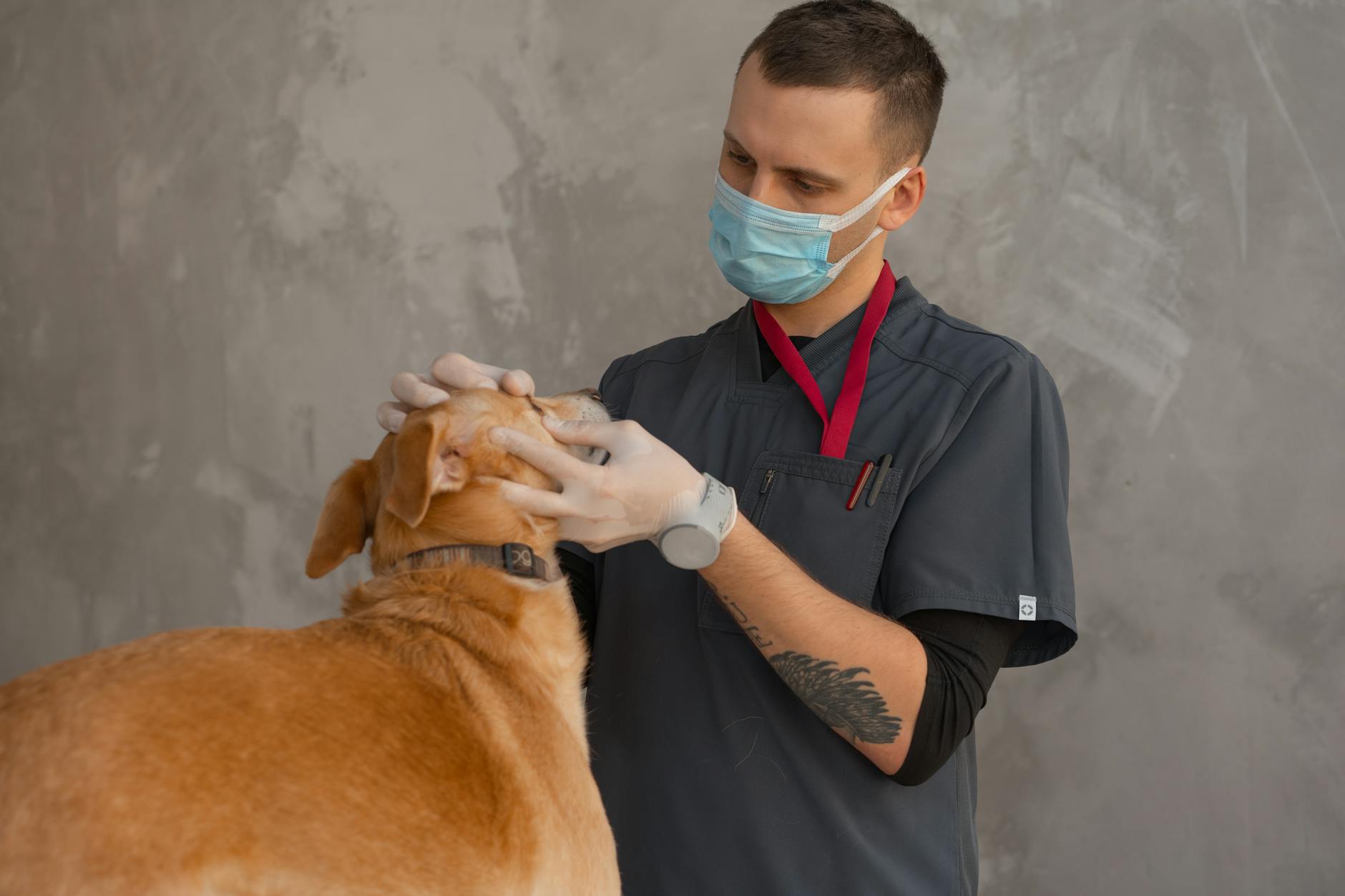
Even with regular brushing, problems can develop. Here’s what to watch for during your brushing sessions and daily life.
Warning Signs You Can See
- Red, swollen, or bleeding gums — the earliest sign of gingivitis. If caught early, it’s reversible with improved dental care.
- Yellow or brown buildup on the teeth — that’s tartar (calcified plaque). Once it’s hardite, you can’t brush it off; it needs professional scaling.
- Broken or chipped teeth — can happen from chewing hard objects. A broken tooth with an exposed pulp is painful and needs veterinary attention.
- Loose teeth — in adult dogs, this isn’t normal. It means advanced periodontal disease or trauma.
- Lumps or growths on the gums — could be benign (epulis) or something more serious. Get them checked.
- Pus or discharge — infection. Vet visit needed promptly.
Warning Signs in Behaviour
- Bad breath that’s getting worse — a gradual change is often the first thing owners notice. Mild “dog breath” is normal; an increasingly foul smell isn’t.
- Dropping food while eating — could indicate a painful tooth.
- Chewing on one side only — same reason.
- Pawing at the mouth — discomfort or something stuck.
- Reluctance to eat hard food or chews — they want to eat but it hurts.
- Drooling more than usual — especially if the drool is discoloured or tinged with blood.
- Face swelling — often a dental abscess. This needs same-day veterinary attention.
When to See the Vet
If you notice any of the above signs, book a dental check with your vet. Most vets will do a basic oral examination during a routine check-up (the annual vaccination visit is a good opportunity), and they can advise whether a professional clean is needed.
Don’t wait for the annual visit if something looks wrong. A swollen face, a broken tooth, or heavy bleeding needs prompt attention.
A Realistic Daily Routine
Here’s what daily dental care actually looks like once you’re past the introduction phase. It’s not complicated and it’s not time-consuming.
Evening routine (after their last meal):
1. Get the toothbrush and toothpaste. Most dogs learn to recognise the routine and will come to you — especially if they like the toothpaste flavour. 2. Lift the lip on one side. Brush the outer surfaces of the teeth in small circles, working from front to back. About 30 seconds per side. 3. Repeat on the other side. 4. Do the front teeth (incisors and canines). 5. Give a small treat or a brief game as a reward.
Total time: About 90 seconds to 2 minutes. That’s it.
If you can’t brush every day, three to four times a week still makes a meaningful difference. The plaque cycle takes about 24-48 hours — plaque starts forming within hours of a clean, and it hardens into tartar within about 48-72 hours. Daily brushing catches it before it hardens. Every other day is the minimum to prevent significant tartar buildup.
Starting Late: It’s Never Too Late (But Check First)
If your dog is an adult and you’ve never brushed their teeth, it’s still worth starting. But get a vet to check their mouth first. If there’s already significant tartar buildup or gum disease, brushing over the top of it can be painful and isn’t effective — the tartar needs professional removal before home care can take over.
Think of it like this: if you hadn’t cleaned your own teeth in three years, you wouldn’t just start brushing and hope for the best. You’d see a dentist first, get a professional clean, and then maintain it at home. Same principle.
Once the mouth is clean and healthy, start the gradual introduction process above and build up to daily brushing. Your vet will probably be delighted — they spend a lot of time encouraging owners to brush their dogs’ teeth and not a lot of them actually do it.
The Bottom Line
Brushing your dog’s teeth is one of those things that feels weird, seems unnecessary, and turns out to be one of the most impactful things you can do for their long-term health. It takes two minutes a day, costs almost nothing, and can save you hundreds of pounds in vet bills while keeping your dog comfortable and pain-free.
Start slowly. Use tasty toothpaste. Be patient with the introduction. And don’t aim for perfection — any brushing is better than none, and a quick 30-second scrub on a wriggly spaniel still removes more plaque than a dental chew and a prayer.
Your dog’s teeth — and your wallet — will be better for it. And the paint-stripping breath? That’ll clear up within a week or two. Everyone wins.
Frequently Asked Questions
How do I compare similar pet products? Look at fit, durability, cleaning, safety and whether the product suits your pet’s behaviour. Reviews are useful only when they match your situation.
Should I buy the cheapest option first? For non-essential accessories, sometimes. For food, harnesses, beds and health-related products, poor fit or quality can cost more later.
What should I check before buying? Check sizing, materials, washing instructions, return policy and whether the product is suitable for your pet’s age, weight and temperament.