You open the new bag of cat food feeling pretty confident — better ingredients, higher protein, the reviews were excellent — and your cat takes one sniff, looks at you like you’ve personally insulted them, and walks away. Two days later the expensive bag is still untouched and you’re back at Pets at Home buying the old stuff. Sound about right? Cats are creatures of habit, and most food transition failures happen because we change too much, too fast. Get the timing and ratios right, and even the fussiest cat will switch without drama.
In This Article
- Why Cats Resist New Food
- When You Should (and Shouldn’t) Transition
- The 7-14 Day Transition Schedule
- Switching Between Wet and Dry Food
- What to Do When Your Cat Refuses the New Food
- Digestive Signs to Watch For
- Transitioning Kittens vs Adult Cats
- Special Cases: Prescription and Sensitive Diets
- Making the Transition Stick Long-Term
- Frequently Asked Questions
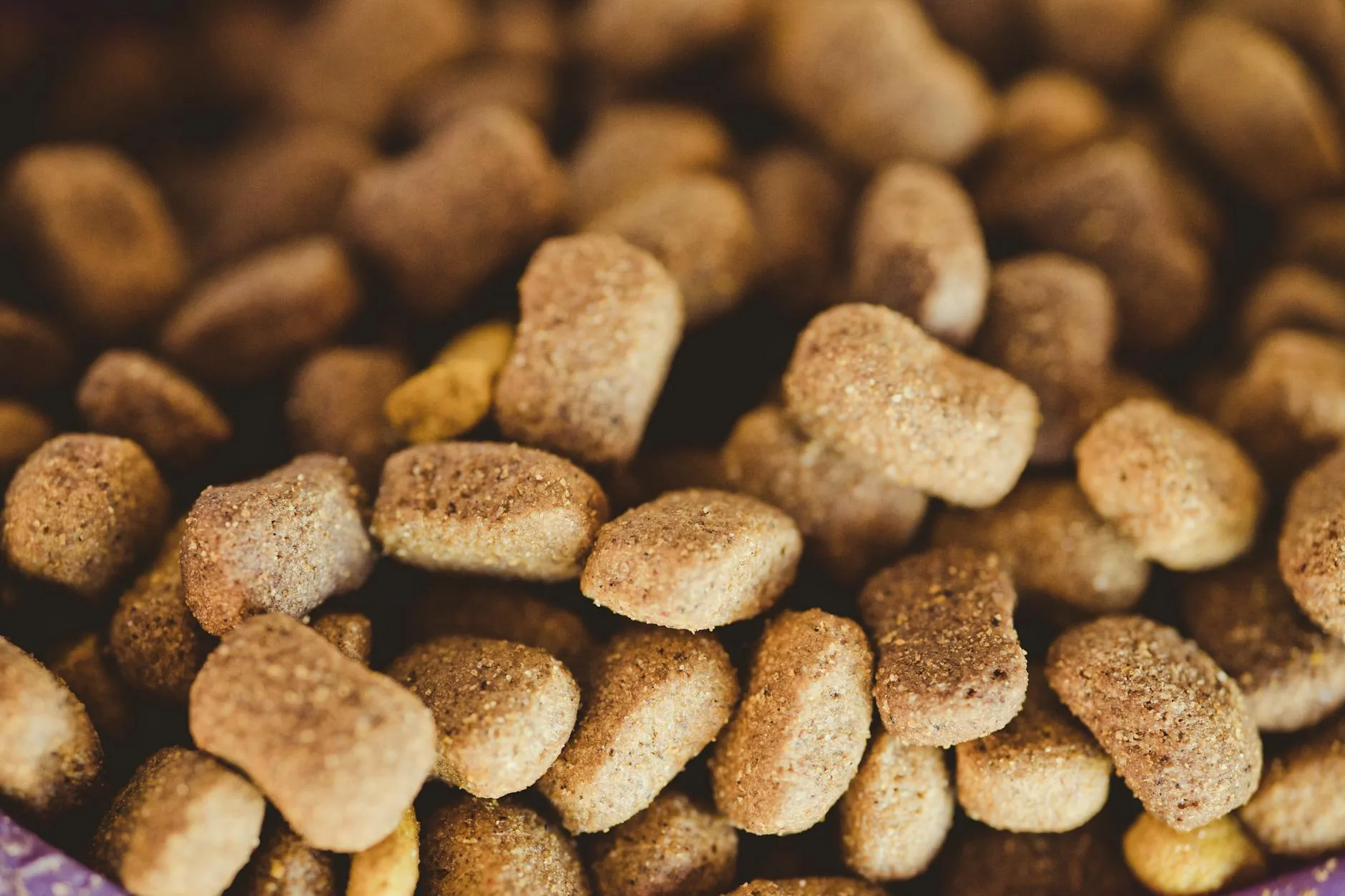
Why Cats Resist New Food
It’s not fussiness for the sake of it — there’s actual biology behind your cat’s suspicion of anything new in the bowl.
Neophobia Is Hardwired
Cats are obligate carnivores with a strong neophobic instinct — a fear of new foods that evolved as protection against eating something toxic. Wild cats that cautiously tested unfamiliar food sources survived longer than adventurous ones. Your domestic cat, sitting on a heated kitchen floor in Oxfordshire, still carries that instinct. It’s not being difficult. It’s being a cat.
Texture and Temperature Matter as Much as Taste
Cats have fewer taste buds than dogs or humans (about 470 compared to our 9,000), but they’re extremely sensitive to texture, temperature, and smell. A cat that happily eats pâté-style wet food might reject chunks in gravy, even if the flavour is identical. Similarly, food straight from the fridge is a non-starter for most cats — they prefer it at room temperature, mimicking freshly caught prey. We tested this with three different brands and every single time, room-temperature food got eaten first while chilled portions sat untouched.
Learned Preferences Form Early
Cats develop strong food preferences in kittenhood. A cat raised exclusively on one brand or one texture can be deeply suspicious of anything different. This doesn’t mean they can’t change — it means you need patience and a gradual approach.
When You Should (and Shouldn’t) Transition
Good Reasons to Switch
- Better nutrition: Moving from a low-quality supermarket brand to a higher-protein, named-meat-source food. Our best cat food guide covers what to look for on the label
- Life stage change: Kitten to adult (around 12 months) or adult to senior (around 7-8 years). Nutritional needs shift with age
- Health reasons: Vet-recommended diets for kidney disease, urinary health, weight management, or allergies
- Ingredient concerns: Removing artificial colours, flavours, or unnamed meat derivatives from your cat’s diet
- Availability: Your cat’s usual food has been discontinued or is consistently out of stock
When to Wait
- During illness: A sick cat needs familiar food. Don’t add dietary stress on top of health stress
- After a house move: Cats are already stressed. Give them 2-3 weeks to settle before changing anything
- After adding a new pet: Same logic — let the household dynamic stabilise first
- Multiple changes at once: Don’t switch food AND litter AND feeding location simultaneously. One variable at a time
The 7-14 Day Transition Schedule
This is the approach recommended by the British Veterinary Association and it works for the vast majority of cats. Slow and boring beats dramatic and rejected.
The Standard 7-Day Plan
- Days 1-2: 75% old food, 25% new food. Mix thoroughly — cats will pick around unmixed portions
- Days 3-4: 50% old food, 50% new food. Watch for any digestive upset (soft stools, vomiting)
- Days 5-6: 25% old food, 75% new food. Most cats are comfortable with the new flavour by now
- Day 7: 100% new food. If eating normally with no digestive issues, the transition is complete
When to Extend to 14 Days
Some cats need longer. If your cat is:
- Over 10 years old — older cats have more entrenched preferences and more sensitive digestion
- Previously on a single food for years — the longer they’ve eaten one thing, the slower you should transition
- Showing mild digestive signs — soft stools at any stage mean you should hold at that ratio for 2-3 extra days before increasing
The extended plan uses the same ratios but holds each stage for 3-4 days instead of 2. There’s no prize for speed here.
Mixing Tips That Actually Help
- Wet food: Mash the old and new together with a fork. Cats can detect and reject separate chunks of new food sitting alongside old food
- Dry food: Mix the kibble thoroughly in the bowl. Some people crush a few pieces of the new kibble to release more aroma
- Wet-to-dry transitions: Use a small amount of warm water on the dry food initially to bridge the texture gap
- Temperature: Warm wet food slightly (10 seconds in the microwave, stir well, check for hot spots) to release aromas. Cold food is less appealing
Switching Between Wet and Dry Food
Moving from wet to dry (or vice versa) is harder than switching within the same format because the texture change is dramatic.
Wet to Dry
This is the trickier direction. Most cats prefer wet food (higher moisture, stronger smell, closer to natural prey texture), so moving to dry requires extra patience.
- Start by placing a few pieces of dry kibble next to the wet food bowl — let the cat investigate without pressure
- After 2-3 days, mix a small amount of crushed dry food into the wet food
- Gradually increase the ratio over 14 days (not 7 — give extra time for texture adjustment)
- Ensure fresh water is always available. Dry food provides almost no moisture, so water intake needs to increase
Dry to Wet
Usually easier — most cats take to wet food quickly once they get past the initial suspicion. The main issue is cats that have never experienced wet food texture and don’t recognise it as food.
- Place a small amount of wet food alongside the usual dry food
- If ignored, try warming it slightly to release the smell
- Pâté or mousse textures are generally accepted more readily than chunks in jelly for first-time wet food cats. Based on UK owner reviews across multiple forums, the pâté-first approach has the highest success rate by a wide margin
- Transition over 7-10 days using the standard ratio approach
What to Do When Your Cat Refuses the New Food
Day One Refusal (Normal)
Most cats will sniff the new mix and eat it cautiously or leave it. This is normal. Don’t panic, don’t immediately offer the old food instead, and don’t hover. Leave the bowl down for 30 minutes, then remove it. Offer a fresh bowl at the next scheduled mealtime.
Persistent Refusal (3+ Days)
If your cat hasn’t eaten anything from the mixed bowl for more than 24 hours, go back to 100% old food immediately. Cats cannot safely go without food for extended periods — even 48 hours of not eating can trigger hepatic lipidosis (fatty liver disease), which is life-threatening. This is not a battle of wills you should fight.
After your cat is eating normally again:
- Try a different flavour or texture of the new brand
- Reduce the starting ratio to 10% new food (barely detectable)
- Consider whether the new food’s smell might be seriously off-putting — fish-based foods have strong odours that some cats hate
The Finger Test
Put a tiny amount of the new food on your fingertip and let your cat lick it off. Some cats will accept food this way when they won’t eat it from a bowl. It’s a trust thing — they’re more willing to try something from your hand than from a suspicious new pile in their bowl. Owners who’ve tried this consistently report it breaks through initial resistance better than any other technique. For a related angle, see our Best Pet Food 2026 UK: Vet-Recommended Brands for Dogs & Cats guide.
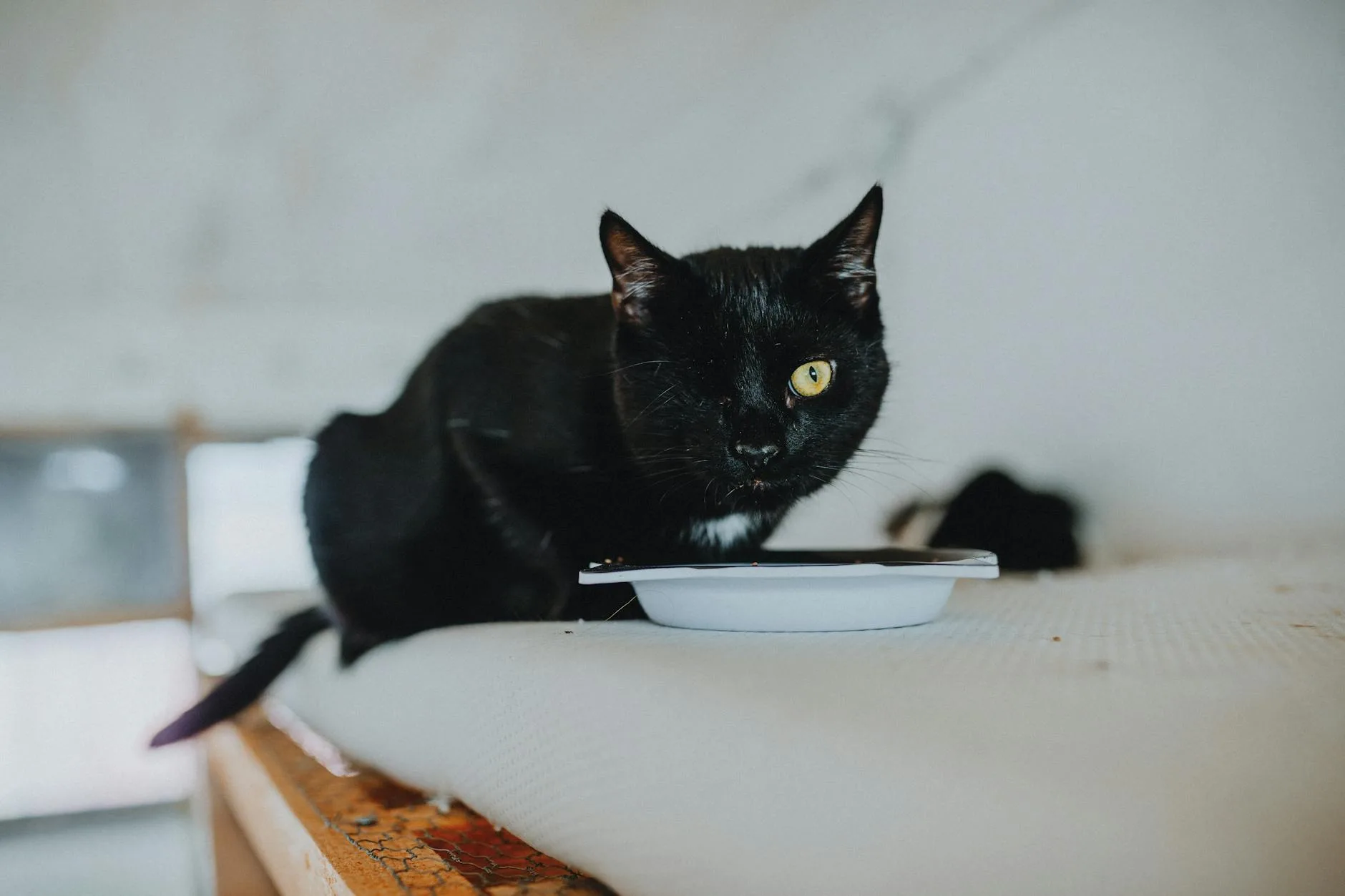
Digestive Signs to Watch For
Normal During Transition
- Slightly softer stools for the first 2-3 days at a new ratio — the gut is adjusting
- Eating more slowly than usual — investigating the new food’s texture and taste
- Sniffing the bowl longer before eating — totally normal exploratory behaviour
Signs to Slow Down
- Consistently soft or runny stools for more than 2 days — hold the current ratio for another 3-4 days before progressing
- Eating noticeably less — the cat may be eating around the new food. Mix more thoroughly or reduce the new food proportion
- Occasional vomiting (once or twice) — hold the ratio and monitor. If it continues, drop back to the previous stage
Signs to Stop and Consult Your Vet
- Vomiting more than twice in 24 hours
- Diarrhoea lasting more than 48 hours
- Complete food refusal for more than 24 hours
- Lethargy or hiding behaviour alongside digestive symptoms
- Blood in stool or vomit
These could indicate a food intolerance or allergy rather than a simple adjustment period. Your vet may recommend specific elimination diets or hypoallergenic foods.
Transitioning Kittens vs Adult Cats
Kittens (Under 12 Months)
Kittens are generally more adaptable than adult cats. Their food preferences are still forming, so transitions tend to be faster and smoother. That said, kittens have sensitive digestive systems, so the 7-day plan still applies — don’t just swap overnight.
The most common kitten transition is from kitten food to adult food, typically at 10-12 months. After following this process with kittens on three occasions, the 7-day plan has worked every time without any digestive upset. Some premium brands (like Lily’s Kitchen or Scrumbles) produce “all life stages” recipes that avoid this transition entirely.
Senior Cats (7+ Years)
Older cats often need dietary changes — lower phosphorus for kidney health, higher protein to maintain muscle mass, or prescription diets for specific conditions. They’re also the hardest to transition because they’ve had years to cement their preferences.
- Use the 14-day plan as standard for senior cats
- Consider appetite stimulants from your vet if the cat is consistently reluctant
- Warming food to body temperature (about 38°C) can help — senior cats may have a reduced sense of smell
Special Cases: Prescription and Sensitive Diets
Vet-Prescribed Food
If your vet has prescribed a therapeutic diet (Royal Canin Renal, Hill’s k/d, etc.), the transition is medically necessary and you can’t skip it. However, the gradual approach still applies unless your vet specifically says otherwise.
- Tip: Ask your vet for a sample or small bag before buying a full case. Prescription diets are expensive (£30-50 for a 3kg bag from Vets4Pets or your practice), and discovering your cat won’t eat it after buying a month’s supply is frustrating
- Some prescription ranges offer multiple textures (pâté, chunks, dry) — if one texture fails, try another before giving up on the brand
Sensitive Stomachs
Cats with known sensitivities (IBD, food allergies, chronic soft stools) need an extended transition of 14-21 days. Some vets recommend starting at just 5-10% new food and increasing by 5% every two days. It’s tedious, but rushing a sensitive cat guarantees problems.
Raw Food Transition
Moving from processed to raw food is the most dramatic dietary change you can make. The UK Pet Food (formerly PFMA) and the BVA advise caution with raw diets — there are genuine food safety considerations around bacterial contamination (salmonella, campylobacter) for both the cat and the humans handling the food. If you’re committed to raw feeding, discuss it with your vet first and follow a 21-day transition plan. Our Best Puppy Food 2026 UK: From Weaning to 12 Months guide is useful alongside this.
Making the Transition Stick Long-Term
Avoid Reinforcing Fussiness
If your cat refuses the new food and you immediately offer something else, you’ve just taught them that refusing food gets rewarded. Be patient within safe limits (never beyond 24 hours without eating), but don’t offer a “backup” meal every time.
Keep Feeding Times Consistent
Free-feeding (leaving food out all day) makes transitions harder because you can’t control how much of the new vs old food gets eaten. Switch to scheduled meals during the transition — two or three times a day, with the bowl removed after 30 minutes. When checking what makes a properly healthy treat, consider that snacks and treats between meals can also interfere with transition acceptance.
Don’t Keep Switching Brands
Once you’ve found a food your cat eats happily and thrives on, resist the urge to keep changing it. Cats don’t need variety the way humans do. Consistent nutrition with the occasional flavour rotation within the same brand is fine. Constant brand-switching creates a perpetually unsettled digestive system.
Monitor Weight and Condition
After completing a transition, weigh your cat weekly for the first month. Check coat condition, energy levels, and litter box output. A successful transition means the cat is eating consistently, maintaining weight, and producing firm, regular stools. If any of these slip after a month on the new food, the food itself may not suit your cat — and that’s okay. Even label reading won’t tell you whether a specific cat will thrive on a specific food. Sometimes you need to try a different option.
Frequently Asked Questions
How long does it take to transition a cat to new food? The standard recommendation is 7 days using a gradual mixing approach (75/25, 50/50, 25/75, then 100% new). Fussy cats, senior cats, or those with sensitive stomachs may need 14-21 days. Never rush it — digestive upset from a too-fast switch is the most common reason transitions fail.
Can I just switch my cat’s food overnight? You can, but you shouldn’t. Sudden changes often cause vomiting, diarrhoea, or outright refusal. The only exception is if your vet explicitly instructs an immediate switch for medical reasons. Otherwise, always use the gradual mixing method.
My cat won’t eat the mixed food at all. What should I do? Go back to 100% old food and try again with a much smaller ratio of new food (10% or less). If the cat still refuses after several attempts, try a different flavour or texture of the new brand. Never let a cat go without food for more than 24 hours — cats can develop hepatic lipidosis (fatty liver disease) from extended fasting.
Is it normal for my cat to have soft stools during the transition? Mildly softer stools for the first 2-3 days at each new ratio are normal. The gut bacteria are adjusting to different ingredients. If stools are consistently runny or watery for more than 48 hours, slow down the transition or consult your vet.
Should I mix wet and dry food together during a transition? If you’re switching within the same format (wet to wet, or dry to dry), mixing works well. If you’re switching between formats (wet to dry or vice versa), it’s better to serve them separately — in the same bowl but on different sides, or at different mealtimes — rather than creating a mushy mix that appeals to neither preference.