You’ve just watched someone else’s dog bound across the park, loop back on command, and trot alongside its owner without a care — meanwhile yours is yanking your arm off chasing a squirrel on a six-foot lead. Teaching off-lead walking feels like magic when you see it done well, but it’s actually a stack of small skills built in the right order. Get those foundations solid and your dog will choose to stay close, not because it has to, but because it wants to.
In This Article
- Why Off-Lead Walking Matters
- Before You Start: The Honest Checklist
- Essential Kit for Off-Lead Training
- Step 1: Nail the Recall Indoors First
- Step 2: Move to a Secure Outdoor Space
- Step 3: The Long Line Transition
- Step 4: First Proper Off-Lead Sessions
- Common Mistakes That Wreck Off-Lead Progress
- Breed and Age Considerations
- What to Do When Your Dog Ignores You
- UK Law and Where You Can Let Your Dog Off Lead
- Frequently Asked Questions
Why Off-Lead Walking Matters
Off-lead time isn’t a luxury — it’s how dogs are meant to move. Sniffing at their own pace, changing direction when something catches their nose, trotting ahead and circling back. It’s mentally exhausting in the best way, which means a calmer dog at home.
Physical and Mental Benefits
A dog that gets regular off-lead exercise uses muscles differently to one plodding along a pavement on a lead. They sprint, stop, twist, and dig. That variety strengthens joints and burns far more energy than a flat-paced walk. Mentally, the freedom to investigate scents and explore terrain satisfies instincts that no amount of lead-walking can replicate.
Building the Relationship
Here’s what surprised me most about off-lead training: it changed how my dog related to me. Once she learned that staying near me meant good things happened — treats, play, praise — she actively chose to check in every thirty seconds or so. That voluntary attention is worth more than any amount of lead pressure.
Before You Start: The Honest Checklist
Not every dog is ready for off-lead freedom, and that’s fine. Rushing this creates problems that take months to undo.
Recall Reliability
Your dog needs to come back when called at least 8 times out of 10, even with mild distractions. If you’re hovering around 5 out of 10, stay on the long line for now. There’s no shame in it — plenty of experienced owners train for months before unclipping.
Temperament Assessment
Some dogs have prey drives that make off-lead walking genuinely risky — sighthounds being the classic example. A whippet spotting a rabbit at 200 metres is going to chase it, full stop. That doesn’t mean off-lead is impossible, but it means choosing locations carefully and accepting limitations.
Lead Walking First
If your dog pulls badly on a standard lead, off-lead training will be harder. The dog that lunges ahead on-lead hasn’t learned to pay attention to you yet. Get loose-lead walking reasonably solid first — it teaches the engagement that recall depends on.
Essential Kit for Off-Lead Training
Long Line
A 10-metre or 15-metre long line is your best friend during the transition phase. It gives your dog the feeling of freedom while you maintain a safety net. Biothane lines are brilliant — they don’t tangle, don’t absorb mud, and rinse clean under a tap. Expect to pay about £15-25 for a good one. We’ve reviewed the best long lines for recall training separately if you want specific picks.
Treat Pouch and High-Value Treats
You need treats that beat whatever the environment is offering. Dried sprats, liver cake, or chunks of cheese work well. A belt-clip treat pouch means you’re not fumbling in pockets while your dog is already 50 metres away. About £8-15 from Amazon UK or Pets at Home.
Harness or Collar
A well-fitting harness or flat collar — whichever your dog walks best in. Never attach a long line to a slip lead or check chain. If the dog hits the end of a 10-metre line at speed, neck injuries are a real risk.
Whistle (Optional but Useful)
An Acme 211.5 whistle (about £5) carries further than your voice and always sounds the same — no frustration or panic creeping in. Dogs learn whistle recall faster than voice recall in my experience, because the sound is consistent.
Step 1: Nail the Recall Indoors First
This is where most people skip ahead and regret it. Indoors is boring, the distractions are minimal, and that’s exactly the point. You want your dog to learn the mechanics of “hear the cue, turn around, come back, get rewarded” before adding any complexity.
How to Teach the Basics
- Stand a few metres from your dog in a hallway or living room.
- Say your recall word clearly — one word, one time. “Come” or their name works. Don’t repeat it.
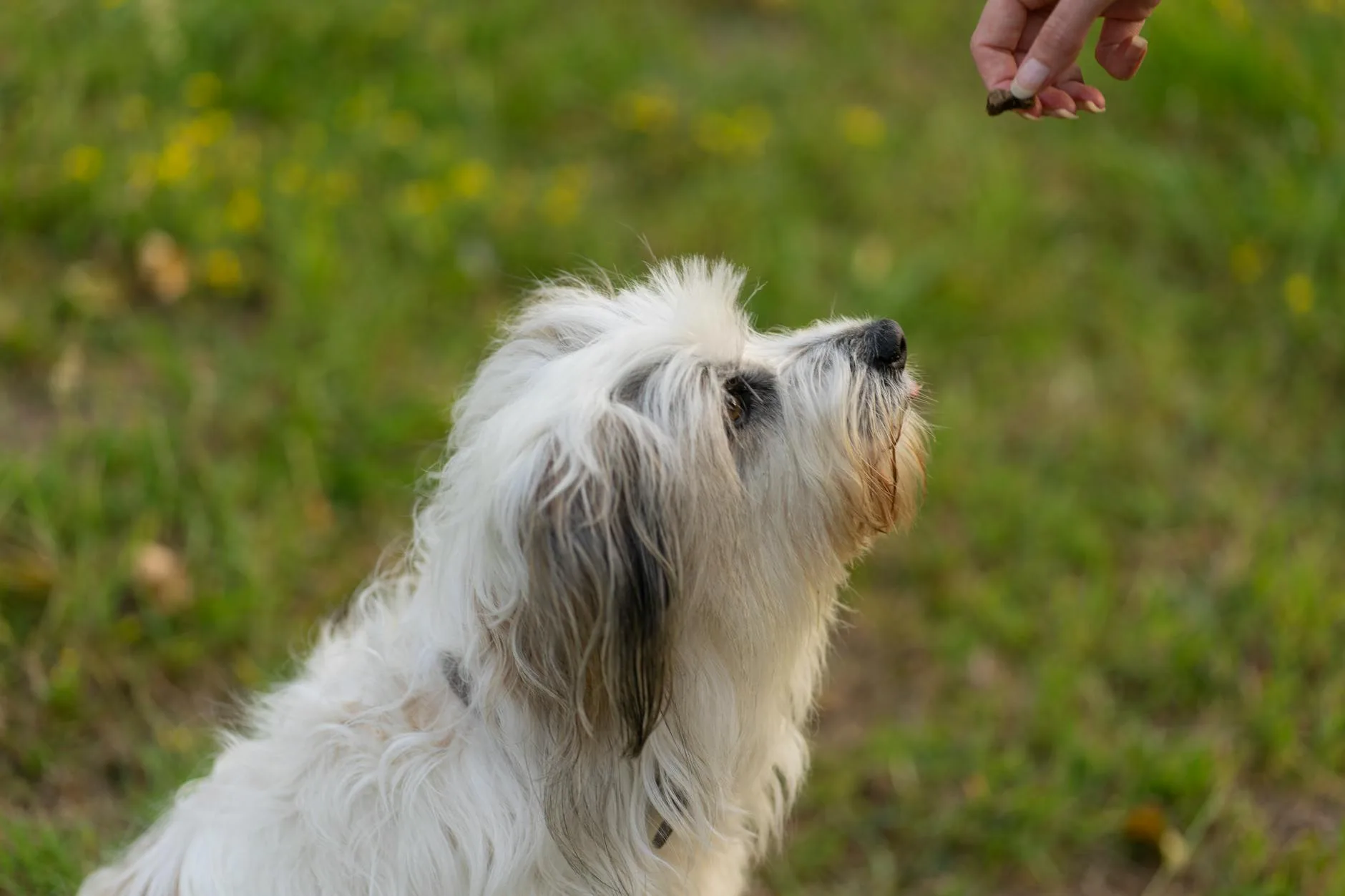
- The moment they move toward you, mark it with “yes” or a clicker and reward with a high-value treat.
- Gradually increase the distance within the house. Try calling from different rooms.
- Add mild distractions — a toy on the floor, another person in the room.
Session Length
Five minutes, three times a day. Short sessions with high success rates build confidence faster than marathon training attempts that end in frustration. If your dog gets it right 9 out of 10 times indoors, you’re ready to move outside.
Step 2: Move to a Secure Outdoor Space
A fenced garden is ideal. If you don’t have one, many UK dog training centres hire out secure fields by the hour — search “secure dog field near me” or check sites like Sniffspot. Prices typically run £5-15 per hour.
Garden Recall Drills
The garden adds smells, birds, squirrels, next door’s cat on the fence. Run the same recall exercises you did indoors. Let your dog explore for 30 seconds, then call. Reward generously when they come. If they don’t respond immediately, crouch down — it makes you more interesting — and use an excited tone. For a related angle, see our Dog Food for Sensitive Stomachs: What to Look For guide.
The Engagement Game
Between recall reps, play with your dog. Tug, fetch, whatever they love. The point is that being near you is the most fun place in the garden. If you just stand there calling them and handing over a treat, you become a vending machine. Play makes you a companion.
Step 3: The Long Line Transition
This is the bridge between secure spaces and genuine off-lead freedom. A long line lets your dog range out and make choices, while you can gently guide them back if their recall falls apart.
How to Use a Long Line Properly
Let the line trail along the ground — don’t hold it taut or reel them in like a fishing rod. The idea is that your dog doesn’t realise the line is doing anything. If they fail to recall, step on the line calmly, reel in gently, and reward them when they reach you. No yanking, no shouting.
Reading Your Dog’s Body Language
After a few sessions you’ll start spotting the moment your dog is about to take off after something. Ears forward, body tense, weight shifting onto the front legs. That’s when you call — before they’ve committed to the chase. Calling after they’re already sprinting is almost always too late.
Progression
Start in quiet fields with few distractions. Gradually introduce busier environments as your dog’s recall improves. The key metric: are they responding within 3 seconds of the cue? If yes, you’re progressing. If they’re taking 10+ seconds or ignoring you entirely, scale back to an easier location.
Step 4: First Proper Off-Lead Sessions
Choosing the Right Location
Pick somewhere enclosed or semi-enclosed — a field with natural boundaries, a quiet stretch of woodland, or a beach at low tide. Avoid anywhere near roads, livestock, or off-lead-restricted areas for your first sessions. Early morning is often best because fewer dogs and people means fewer distractions.
The Unclip Moment
Here’s the trick: make it unremarkable. Don’t build it up. Unclip the lead casually, let your dog wander, and call them back within 10 seconds. Reward heavily. Then let them go again. Repeat. Short intervals between recalls teach your dog that coming back doesn’t mean the fun is over — it means more fun. Our Best Puppy Food 2026 UK: From Weaning to 12 Months guide is useful alongside this.
Keep Moving
Don’t stand in one spot. Walk with purpose and change direction regularly. Dogs naturally want to keep track of their moving person. If you’re rooted to one spot staring at your phone, they’ll range further and further because there’s no reason to check back.
Common Mistakes That Wreck Off-Lead Progress
Only Calling at the End of the Walk
If the only time you recall your dog is to clip the lead on and go home, they learn that “come” means “fun is over.” Call them back multiple times during the walk, treat, then release them again. The lead going back on should be random, not predictable.
Repeating the Cue
“Fido come. Come! FIDO! Come here! COME!” If your dog hears the word five times before they need to respond, they’ve learned the first four don’t count. Say it once. If they don’t respond, go and get them calmly rather than shouting louder.
Chasing Your Dog
Running after a dog that won’t come back is the worst thing you can do. You just became a game. Instead, run the other way. Most dogs will immediately turn and chase you — then you reward that choice to follow.
Punishing After Recall
Your dog finally comes back after ten minutes of ignoring you. You’re furious. You shout at them or clip the lead on roughly. What did the dog just learn? Coming back to you is unpleasant. No matter how long it takes, reward the return. Always. Fuming internally is allowed — just don’t let the dog see it.
Breed and Age Considerations
Puppies
Puppies under six months naturally follow their humans closely — it’s a survival instinct. This is a golden window for recall training because they haven’t developed the confidence to range independently yet. Use it. By the time adolescence hits (around 6-18 months depending on breed), that natural stickiness fades, and you’ll need strong foundations already in place.
Adolescent Dogs
The teenage phase is brutal for recall. Hormones, confidence, and a burning desire to investigate everything conspire against you. Don’t be disheartened if a dog that had brilliant recall at four months suddenly acts deaf at eight months. Go back to the long line if needed. It’s not a step backwards — it’s preventing bad habits from setting in. We cover a similar decision in Best Pet Food 2026 UK: Vet-Recommended Brands for Dogs & Cats.
High Prey Drive Breeds
Sighthounds, terriers, and some spaniels have hardwired chase instincts that override training in certain situations. With these breeds, off-lead walking might always come with conditions — only in enclosed spaces, or only in areas without wildlife. That’s realistic, not defeatist. Knowing your dog’s limits keeps everyone safe.
What to Do When Your Dog Ignores You
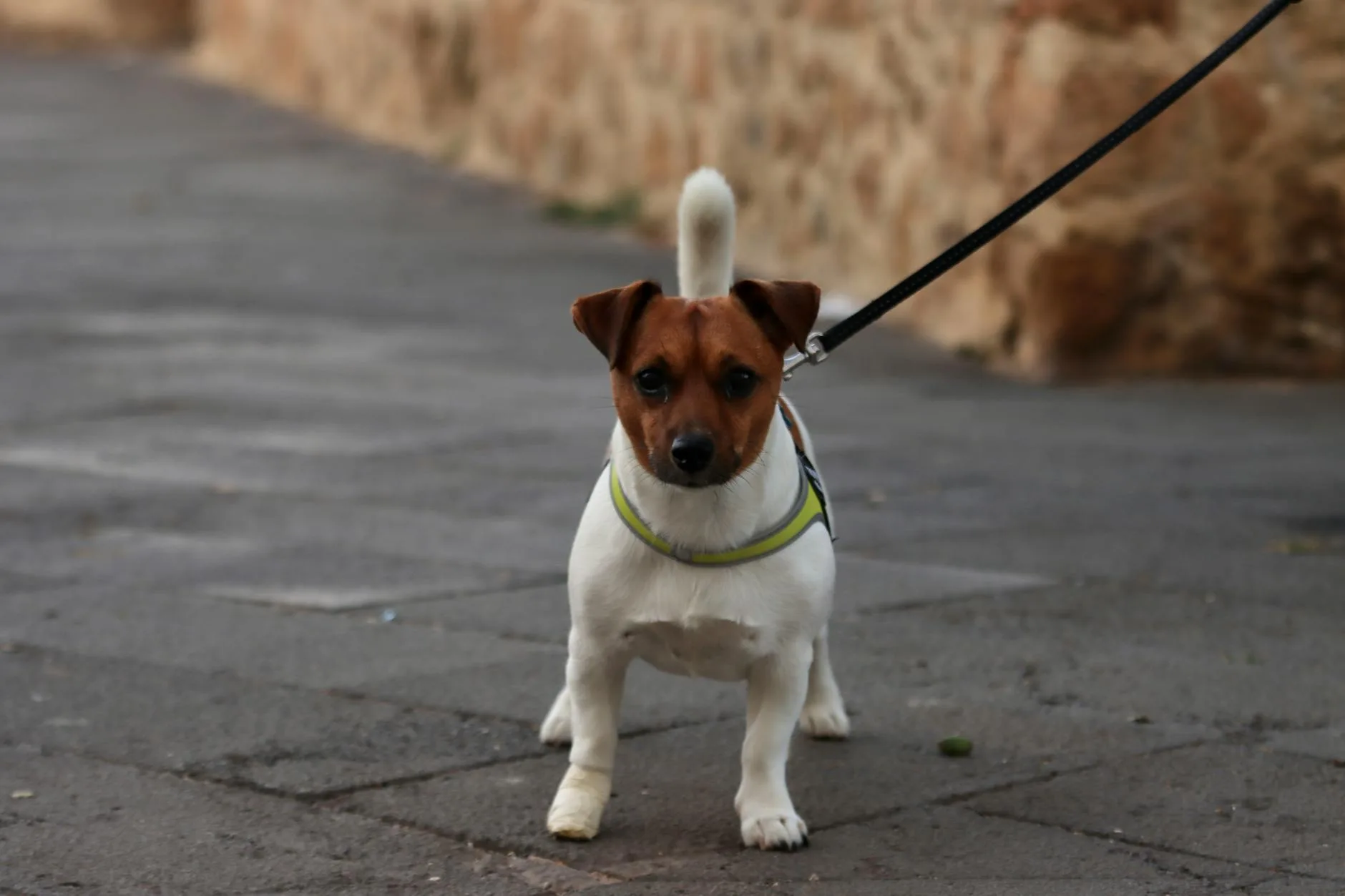
It will happen. Even dogs with excellent recall have off days. Here’s what works based on months of trial and error with my own terrier mix, who treats every walk as a potential adventure.
Emergency Recall
Train a separate “nuclear option” cue that you only use when it really matters. A unique whistle pattern or a word you never use in normal conversation (some trainers use “here” or “touch”). Load it with the absolute best reward — roast chicken, an entire dental stick, their favourite toy. Only use it in genuine emergencies so it never loses its power.
Body Language Tricks
- Drop to the ground — most dogs will rush over to investigate
- Pretend to eat something — crouching down and pretending to pick up food from the ground triggers curiosity
- Run away enthusiastically — triggers the chase instinct in reverse
- Squeak a toy — especially effective for dogs with strong play drive
When to Go Back to the Long Line
If your dog blows off recall three sessions in a row, it’s time to go back a stage. Not forever — just until the behaviour is reliable again. Pushing through and hoping it gets better usually makes it worse. We’ve seen this pattern repeatedly with dogs we’ve walked alongside in training classes.
UK Law and Where You Can Let Your Dog Off Lead
The Legal Position
There’s no blanket law in England and Wales requiring dogs to be on leads in public spaces, but there are plenty of situations where it’s required or advisable. The Animal Welfare Act 2006 requires owners to ensure their dog doesn’t cause harm or suffering, which includes controlling them around livestock and other dogs.
Public Spaces Protection Orders (PSPOs)
Many local councils use PSPOs to designate areas where dogs must be on leads — typically playgrounds, sports pitches, cemeteries, and some parks. Check your council’s website for the specific rules in your area. Fines typically range from £100 fixed penalty.
Countryside and Livestock
The Countryside Code is clear: keep dogs on a short lead around livestock, especially during lambing season (March-May). A farmer has the legal right to shoot a dog worrying livestock. It happens every year and it’s entirely preventable. Even if your dog has never shown interest in sheep before, the first time might be the one that matters.
Where Off-Lead Works Best
- Designated dog parks — purpose-built, usually fenced
- Common land — check local bylaws first
- Beaches — many UK beaches are dog-friendly year-round, some restrict access May-September
- Woodland trails — Forestry England sites are generally dog-friendly with off-lead allowed on most paths
- Secure hire fields — growing network across the UK, bookable by the hour
Frequently Asked Questions
How long does it take to train a dog to walk off-lead? Most dogs need 4-12 weeks of consistent daily practice to reach reliable off-lead recall. Puppies often pick it up faster than adult dogs with established habits. The key variable is how consistently you train, not how many hours you put in at once.
Can any dog learn to walk off-lead? Nearly all dogs can improve their recall, but some breeds — particularly sighthounds and terriers with strong prey drives — may always need restrictions in certain environments. Off-lead in a secure field is very different from off-lead next to a busy road. Know your dog’s limits.
What age should I start off-lead training? As early as possible. Puppies from 8-12 weeks naturally follow their owners, making it the ideal window to build recall foundations. If you’re starting with an older dog, the process takes longer but the method is the same — just begin with indoor recall and work outward.
What if my dog runs up to other dogs? If your dog’s recall falls apart around other dogs, they’re not ready for fully off-lead walking in areas where encounters are likely. Use a long line in busier parks and only unclip in quieter spots. Practise recalls at increasing distances from other dogs over time.
Is a whistle better than voice for recall? Whistles carry further, sound consistent regardless of your mood, and cut through background noise better than a human voice. Many professional trainers prefer them. The Acme 211.5 is the UK standard for dog training and costs about £5.