You’ve probably got a drawer, basket, or corner of the living room that’s evolved into a dog toy graveyard. A deflated tennis ball. A rope toy that’s more loose threads than rope. A rubber chew that’s been gnawed into something that no longer resembles its original shape. Your dog still loves them all, which makes the question harder: when does a favourite toy stop being fun and start being dangerous?
The short answer is: sooner than most people think. Dog toys don’t come with expiry dates, but they do wear out — and a toy that’s falling apart can cause choking, intestinal blockages, and dental injuries. Here’s how to know when it’s time to retire a toy and what to check for.
In This Article
- Why Worn-Out Toys Are a Risk
- Signs a Toy Needs Replacing
- Replacement Timelines by Toy Type
- How to Make Toys Last Longer
- The Weekly Toy Check
- Choosing Longer-Lasting Replacements
- Frequently Asked Questions
Why Worn-Out Toys Are a Risk
Choking Hazards
The most serious risk. When rubber toys crack or split, small pieces can break off during chewing. When plush toys lose their seams, stuffing and squeakers become accessible. When rope toys fray, individual threads get swallowed. All of these can lodge in a dog’s throat or — worse — pass into the digestive system and cause a blockage that requires emergency surgery.
According to veterinary data, foreign body ingestion is one of the most common reasons for emergency surgery in dogs, and toy fragments are among the top culprits. A £5 replacement toy is considerably cheaper than a £3,000 surgical bill.
Intestinal Blockages
Dogs don’t chew neatly. They tear, rip, and swallow. Small fragments from deteriorating rubber or plastic toys can accumulate in the gut over time, even if individual pieces seem too small to cause problems. Rope fibres are particularly dangerous — they can tangle in the intestines and create linear foreign bodies that are difficult to diagnose and dangerous to remove.
Dental Damage
A toy that was soft when new becomes hard and brittle with age. Rubber loses elasticity. Nylon gets surface-hardened from repeated chewing. These aged surfaces can crack teeth — particularly the upper premolars that dogs use for heavy chewing. If you can’t indent the toy with your thumbnail, it’s too hard for safe chewing.
Bacterial Growth
Toys that go in mouths, land in mud, sit in saliva, and never get properly cleaned develop bacteria colonies. A study from the National Sanitation Foundation ranked pet toys as the seventh germiest item in the average household. While dogs have robust digestive systems, chronically dirty toys can contribute to mouth infections and digestive upsets, particularly in puppies and older dogs with weaker immune systems.
Signs a Toy Needs Replacing
Rubber and Chew Toys
- Cracks or splits in the surface — bacteria harbour in cracks, and the toy is structurally weakened
- Chunks missing — if you can see where your dog has removed material, the rest is compromised
- Can’t bounce it back — squeeze a rubber toy. If it doesn’t return to shape within a second, the rubber has degraded
- Discolouration — significant colour change (usually darkening) indicates material breakdown
- Smell — a persistent foul smell despite washing means bacteria have penetrated the material
Check against our toy safety guide for more detailed inspection criteria.
Plush and Soft Toys
- Exposed stuffing — even a small hole means a determined dog can extract filling within minutes
- Loose or missing eyes — button or plastic eyes are a choking hazard. If one is loose, remove both
- Squeaker accessible — if you can feel the squeaker through thinned fabric, it’s about to become a choking hazard
- Seams separating — even if stuffing isn’t visible yet, weakened seams will fail during the next enthusiastic shake
- Matted or stiff fabric — dried saliva hardens fabric, making it uncomfortable and less fun
Rope Toys
- Fraying ends — loose threads longer than a few centimetres are swallowing risks
- Thinning sections — where the rope diameter has noticeably reduced from chewing
- Threads coming loose from the main body — the rope is losing structural integrity
- Soggy and won’t dry — waterlogged rope grows mould inside where you can’t see it
Balls
- Cracks or splits — a cracked ball can compress around a dog’s tongue or jaw
- Lost bounce — a flat ball isn’t dangerous but isn’t much fun either
- Surface roughness — tennis-style felt covers wear down to a rough layer that acts like sandpaper on teeth over time
- Too small — as the ball erodes, it can become small enough to lodge in your dog’s throat. If the ball fits entirely inside your dog’s mouth, it’s too small
Replacement Timelines by Toy Type
These are general guidelines for an average chewer. Power chewers (staffies, labradors, german shepherds) will go through toys faster. Light chewers (greyhounds, whippets, many small breeds) may get more life from each toy.
Rubber Chew Toys (Kong, West Paw, etc.)
- Light chewer: 6–12 months
- Moderate chewer: 3–6 months
- Power chewer: 1–3 months
- Replace immediately if: cracked, chunks missing, or can’t pass the thumbnail indent test
Our tough toy comparison covers which brands hold up best against heavy chewing.
Plush Toys
- Light chewer: 2–4 months
- Moderate chewer: 2–6 weeks
- Power chewer: days (if at all — many power chewers shouldn’t have plush toys unsupervised)
- Replace immediately if: stuffing visible, squeaker exposed, or eyes missing
Rope Toys
- Light chewer: 3–6 months
- Moderate chewer: 1–3 months
- Power chewer: 2–4 weeks
- Replace immediately if: significant fraying, threads separating from the body, or won’t dry after washing
Tennis Balls and Fetch Toys
- Used for fetch only (not chewing): 2–4 months
- Used for fetch and chewing: 1–4 weeks
- Replace immediately if: cracked, split, small enough to fit entirely in your dog’s mouth, or felt covering worn through
Nylon Bones
- Light chewer: 6–12 months
- Moderate chewer: 2–4 months
- Power chewer: 1–2 months
- Replace immediately if: sharp edges, splintering, or small enough to swallow
How to Make Toys Last Longer
Rotate Toys
Keep 3–4 toys out at a time and swap them weekly. Dogs find “new” toys more exciting, so a toy that’s been in the cupboard for a week gets enthusiastic attention when it reappears. Rotation also reduces the daily wear on each individual toy, extending its useful life. This is especially helpful for outdoor toys that take extra punishment from the elements. For independent guidance, check PDSA pet advice.
Match Toy to Behaviour
Don’t give a power chewer a plush toy and expect it to survive. Match the toy’s durability to your dog’s chewing style:
- Light chewers and comfort-seekers: plush toys, soft rubber, fabric
- Moderate chewers: standard rubber, braided rope, medium-density nylon
- Power chewers: heavy-duty rubber (Kong Extreme, West Paw Zogoflex), solid nylon, thick braided rope
Supervise High-Intensity Play
Toys get the most damage during excited play — tug of war, enthusiastic fetch, and dedicated chewing sessions. Supervising doesn’t mean hovering — it means being in the room and checking the toy condition before and after the play session.
Clean Regularly
Wash rubber toys with warm soapy water weekly. Machine wash plush toys (if the label allows) fortnightly. Soak rope toys in dilute pet-safe disinfectant monthly. Clean toys last longer because saliva, mud, and bacteria degrade materials faster than chewing alone.
Store Properly
Don’t leave toys in the garden overnight where dew, rain, frost, and UV light deteriorate them. Bring outdoor toys inside after use. UV exposure is the biggest environmental cause of rubber degradation — a rubber toy left in the sun loses elasticity faster than one stored indoors.
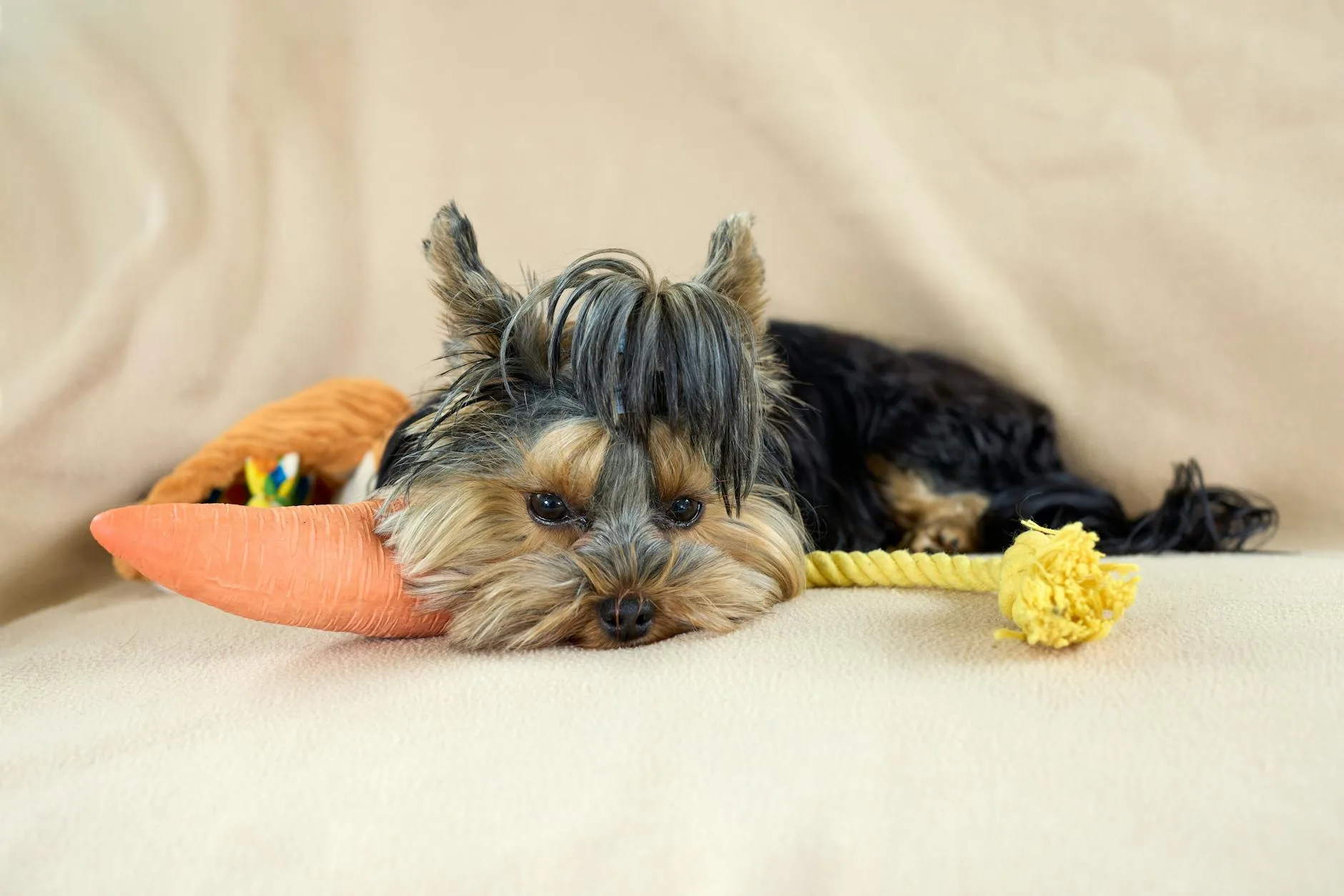
The Weekly Toy Check
Build a 2-minute habit: once a week, go through your dog’s toy collection.
- Pick up each toy. Squeeze rubber toys, tug rope toys, shake plush toys
- Look for damage. Cracks, tears, fraying, missing pieces, exposed innards
- Smell test. A bad smell despite recent washing means it’s time to go
- Size check. Has the toy worn down enough to become a choking hazard?
- Replace or retire. Damaged toys go in the bin. Slightly worn toys move to supervised-play-only status
This takes less time than making a cup of tea and could prevent a veterinary emergency. Keep it simple — if you’re wondering whether a toy is still safe, it probably isn’t.
Multi-Dog Households
If you have more than one dog, toys wear out faster because they’re being used by multiple mouths with different chewing styles. A toy that one dog plays with gently might get destroyed by the other in a single session. In multi-dog homes, provide enough toys that dogs don’t need to compete (resource guarding over a favourite toy is a common trigger for conflict), and check all toys more frequently — twice weekly rather than once. When introducing a new puppy to an older dog, separate toy collections initially until you know how each dog treats shared resources.
Seasonal Considerations
Toys behave differently across seasons. In winter, rubber hardens in cold temperatures and becomes more brittle — a toy that’s flexible indoors may crack if left in a cold garden overnight. In summer, UV exposure and heat soften rubber and accelerate degradation. Rope toys absorb more moisture in wet weather and take longer to dry, increasing mould risk. Adjust your inspection routine to account for seasonal wear — toys left outdoors in British weather need checking more often than indoor-only toys.
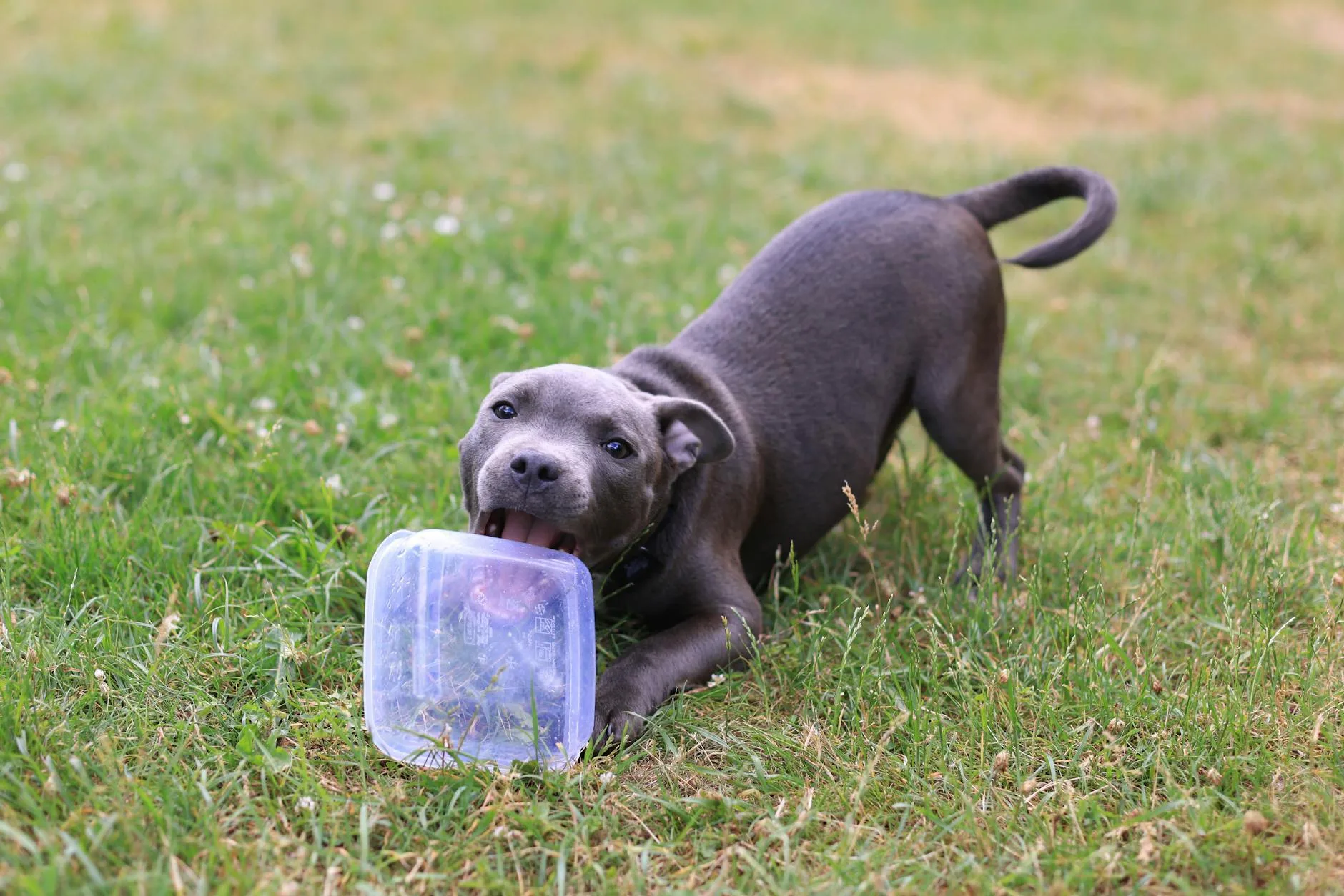
Choosing Longer-Lasting Replacements
When it’s time to buy new toys, think durability:
- Natural rubber outlasts synthetic rubber. Brands like Kong and West Paw use proprietary natural rubber compounds designed for dog chewing
- Double-stitched seams on plush toys last longer than single stitching. Look for reinforced seams specifically marketed for dogs rather than human soft toys repurposed as dog toys
- Size up. A toy slightly larger than necessary is harder to destroy and carries less choking risk. The toy should be large enough that your dog can’t fit the whole thing in their mouth
- Avoid thin appendages. Plush toys with long skinny legs, tails, or ears lose those parts first. Choose compact shapes for determined chewers
For puppies under 6 months, softer toys are appropriate for developing teeth and jaws — but they’ll need replacing more often as puppy teeth are sharp and destructive despite being small.
Eco-Friendly Options
If replacing toys every few months feels wasteful, look for brands using recycled materials or natural rubber that biodegrades faster than synthetic alternatives. Some companies (Beco Pets, Green & Wilds) make toys from recycled plastic bottles, hemp, or sustainably sourced rubber. They cost slightly more but the environmental footprint per toy is lower. Natural material toys also tend to be safer if ingested in small quantities — natural rubber passes through the gut more easily than synthetic plastic fragments.
Building a Toy Budget
For an average-chewing medium-sized dog, budget roughly £8–15 per month on toy replacement. That covers 2–3 new toys monthly with a mix of durable rubber, a plush or two, and a rope toy. Power chewers may need £15–25 per month. It sounds like a lot until you compare it to a single vet visit for a swallowed toy fragment — prevention is always the cheaper option.
Buying in bulk helps. Many online pet retailers offer multi-packs or variety boxes at a 20–30% discount over individual purchases. Set a calendar reminder to order monthly and you’ll always have fresh toys in rotation. For puppies in their first weeks, expect higher turnover as they explore everything with their mouths.
Frequently Asked Questions
How often should I replace my dog’s toys? Check all toys weekly and replace any showing signs of damage. As a general rule, rubber chew toys last 3–6 months for average chewers, plush toys last 2–6 weeks, and rope toys last 1–3 months. Power chewers go through toys faster.
Can I repair a damaged dog toy instead of replacing it? It’s not recommended. Stitching a plush toy closed creates a weak point that will fail again quickly, and your dog now has thread to swallow. Gluing rubber creates a chemical risk. At the price of most dog toys, replacement is safer and more practical than repair.
My dog only plays gently with their toys — do I still need to check them? Yes. Even gentle play wears materials over time, and environmental factors (sunlight, moisture, temperature changes) degrade toys regardless of how they’re used. A rubber toy left in the garden degrades faster than one chewed daily but stored indoors.
Are expensive toys worth the cost? Generally yes for heavy chewers. A £15 Kong that lasts 6 months is cheaper per day than a £3 supermarket toy that lasts a week. For light chewers, budget toys are fine since they won’t be stressed to their limits.
What should I do if my dog swallows part of a toy? Contact your vet promptly. Small soft fragments may pass through without problems, but rigid pieces, stuffing clumps, and rope fibres can cause blockages. Don’t wait for symptoms — early intervention is safer and cheaper than emergency surgery.