Raw feeding for dogs has exploded in popularity in the UK over the past few years, with dedicated raw food companies, supermarket raw ranges, and passionate online communities all contributing to its growth. But if you’re considering switching your dog to a raw diet, the sheer volume of conflicting information can be overwhelming. Some advocates treat raw feeding as a near-magical solution to every canine health issue, while critics warn of nutritional deficiencies and bacterial risks. The truth, as usual, is somewhere in the middle. This guide cuts through the noise with practical, balanced advice for UK dog owners who want to understand what raw feeding actually involves, whether it’s right for their dog, and how to do it safely.
What Is Raw Feeding?
Raw feeding means giving your dog a diet based on uncooked meat, bones, organs, and sometimes vegetables, fruit, and supplements. The concept is rooted in the idea that dogs evolved eating raw prey and that their digestive systems are better suited to raw food than the cooked, processed kibble that dominates the modern pet food market.
There are several approaches to raw feeding, and understanding the differences matters:
- BARF (Biologically Appropriate Raw Food) — typically 70-80% raw meat and bone, with 20-30% vegetables, fruit, and supplements. This is the most popular approach in the UK and the one most commercial raw food companies follow
- Prey model raw (PMR) — aims to replicate a whole prey animal: approximately 80% muscle meat, 10% raw edible bone, and 10% organ meat (half of which should be liver). No vegetables or fruit. More restrictive but simpler
- Complete commercial raw — pre-made raw meals from companies like Nutriment, Natures Menu, or Bella & Duke that are formulated to be nutritionally complete. The easiest entry point for beginners
- DIY raw — sourcing and preparing raw meals yourself from butchers, supermarkets, and raw feeding suppliers. More work but more control over ingredients and often cheaper at scale
The Honest Case For Raw Feeding
Let’s be upfront: the scientific evidence for raw feeding is limited. There are very few large-scale, controlled studies comparing raw diets to commercial kibble in dogs. Most of the claimed benefits come from owner observations rather than clinical trials. That said, many veterinary professionals acknowledge that a well-formulated raw diet can be a perfectly healthy option for most dogs.
The benefits most commonly reported by UK raw feeders include:
- Improved coat condition — shinier, softer coats are one of the most consistently reported benefits, likely due to higher natural fat content in raw diets
- Better dental health — chewing raw meaty bones helps clean teeth mechanically (though it’s no replacement for regular tooth brushing). This is one of the better-evidenced benefits, though it comes with caveats about bone safety
- Smaller, firmer stools — raw-fed dogs typically produce less waste because there’s less filler and indigestible material. Stools are often firmer and less smelly
- Improved energy levels — many owners report their dogs seem more energetic and alert on raw food
- Reduced allergic symptoms — for dogs with food sensitivities, raw feeding allows precise control over ingredients, making it easier to identify and eliminate triggers
From our research into raw-fed dogs across a range of UK breeds, we want to be honest here: some of these improvements might be partially explained by switching from a low-quality kibble to any higher-quality diet, rather than specifically by the food being raw. A dog moving from a budget supermarket kibble to a premium raw diet is changing many variables at once.
The Honest Risks and Concerns
Raw feeding isn’t without genuine risks, and responsible raw feeders acknowledge and manage these:
- Bacterial contamination — raw meat can carry Salmonella, Campylobacter, E. coli, and other pathogens. Dogs are generally more resistant to these bacteria than humans, but they can still become carriers and shed bacteria in their faeces. This is a genuine concern for households with young children, elderly family members, or immunocompromised individuals
- Nutritional imbalance — this is the biggest risk with DIY raw feeding. Getting the balance of calcium, phosphorus, vitamins, and minerals right requires knowledge and consistency. An unbalanced raw diet can cause serious health problems over time, particularly in growing puppies
- Bone hazards — raw bones are generally safer than cooked bones (which can splinter), but they can still cause broken teeth, intestinal blockages, or perforations. Weight-bearing bones from large animals (like marrow bones) are particularly risky for aggressive chewers
- Cost — raw feeding is typically more expensive than standard kibble, though the gap narrows if you compare it to premium dry foods. Budget around £2-5 per day for a medium-sized dog on a commercial raw diet
- Freezer space — raw food needs to be stored frozen and thawed before use. You’ll need dedicated freezer space, which can be challenging in smaller UK kitchens
Getting Started: The Easiest Approach for Beginners
If you’re new to raw feeding, we strongly recommend starting with a complete commercial raw food rather than going straight to DIY. Complete raw meals are formulated by animal nutritionists to meet all of your dog’s nutritional needs, removing the guesswork and the risk of nutritional imbalance.
The UK has an excellent range of complete raw food companies:
- Nutriment — one of the most established UK raw brands, offering a wide range of complete meals in frozen tubs and rolls. Available from pet shops and online. Their “Complete Raw” range is genuinely balanced and well-formulated
- Natures Menu — widely available in UK pet shops and some supermarkets. Their “Country Hunter” nuggets are particularly convenient for portion control. A good entry-level brand with reasonable pricing
- Bella & Duke — a subscription-based raw food delivery service that sends pre-portioned meals to your door. More expensive but extremely convenient, and their formulations are well-regarded. They also provide feeding plans based on your dog’s weight and activity level
- Paleo Ridge — a premium UK raw brand with an emphasis on high-welfare, free-range meat sources. More expensive but excellent quality. Popular with owners who want to know exactly where the meat comes from
- Durham Animal Feeds (DAF) — a budget-friendly option that offers raw mince, bones, and complete meals at lower prices than premium brands. Quality is decent and they’re widely available from independent pet shops across the UK
How to Transition Your Dog to Raw
Switching to raw should be done gradually to avoid digestive upset. There are two main approaches to transitioning:
The cold turkey approach: Fast your dog for 12-24 hours (healthy adults only — not puppies, seniors, or dogs with medical conditions), then offer their first raw meal. Some raw feeders prefer this method, arguing that mixing raw and kibble in the same meal can cause digestive issues because they digest at different rates. The evidence for this claim is limited, but many dogs do transition well with this approach.
The gradual approach: Over 7-14 days, gradually replace kibble with raw food. Start with 25% raw / 75% kibble, and shift the ratio every few days until you’re fully raw. This is the safer, more conservative approach and the one we’d recommend for most dogs, especially those with sensitive stomachs.
During the transition, expect some digestive variation. Slightly loose stools, changes in stool colour and consistency, and occasional mucus in the stool are all normal as your dog’s gut bacteria adjust. If diarrhoea persists for more than a few days or your dog shows signs of illness (lethargy, vomiting, loss of appetite), slow down the transition or consult your vet.
Start with a single, easily digestible protein source — chicken is the most common recommendation because it’s mild, inexpensive, and well-tolerated by most dogs. Once your dog is settled on chicken, introduce other proteins (beef, lamb, turkey, fish) one at a time, leaving at least a week between new proteins so you can identify any sensitivities.
Understanding the Raw Feeding Ratios
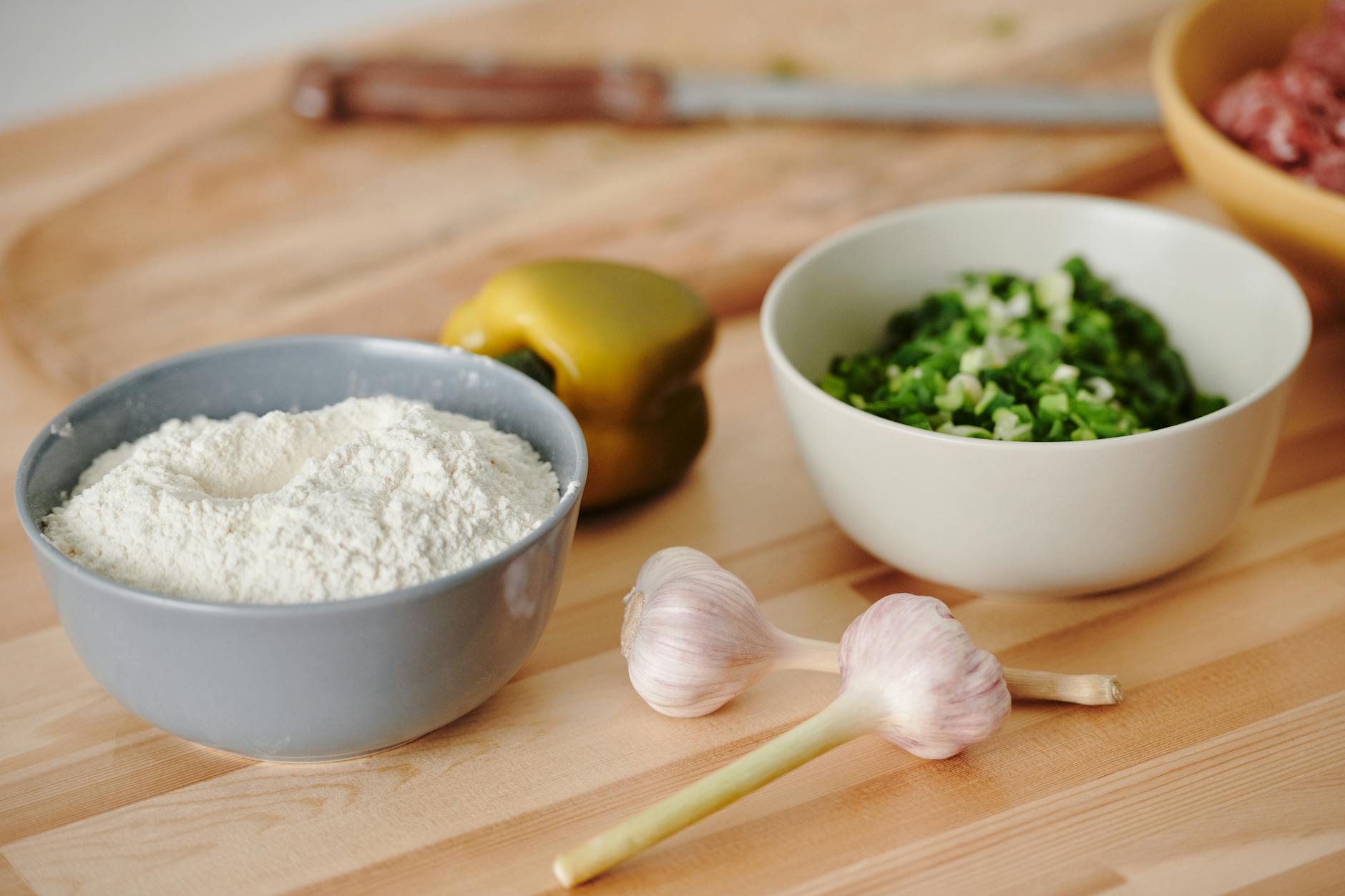
If you’re using a complete commercial raw food, the manufacturer has already balanced these ratios for you. But if you’re moving towards DIY raw feeding, understanding the basic ratios is essential: For a related angle, see our Best Cat Food 2026 UK: Complete Wet & Dry Brands guide.
The standard BARF ratio for an adult dog is:
- 70% muscle meat — this includes heart (technically an organ but nutritionally closer to muscle meat). Vary the protein sources for nutritional breadth: chicken, beef, lamb, turkey, pork, venison, rabbit, and fish all provide different nutrient profiles
- 10% raw edible bone — chicken carcasses, chicken wings, duck necks, and lamb ribs are common choices. Edible bone means bone that your dog can fully chew and consume — not weight-bearing bones from large animals that are too hard to eat
- 10% organ meat (5% liver, 5% other organs) — liver is the most nutrient-dense food you can give your dog, but too much causes vitamin A toxicity. Kidney, spleen, brain, and pancreas make up the other organ component
- 10% vegetables and fruit — leafy greens, broccoli, carrots, sweet potato, blueberries, and apples are popular choices. These should be blended or lightly steamed to improve digestibility, as dogs can’t break down intact plant cell walls as effectively as humans
A critical point for beginners: these ratios should be achieved over time (across a week or two), not necessarily in every single meal. One meal might be heavier on bone, another might include more organ meat. The balance works out over the course of a week.
How Much to Feed
The standard guideline for adult dogs is 2-3% of their ideal body weight per day. For example, a 25kg dog would eat 500-750g of raw food daily, split across two meals. Active dogs, working dogs, and lactating females need more (up to 4-5%), while sedentary or overweight dogs need less (closer to 2%).
Puppies need notably more relative to their body weight — typically 5-8% of their current weight, decreasing as they grow. Feeding a growing puppy correctly is complex and is the area where nutritional mistakes carry the most risk, particularly for large breed puppies where calcium and phosphorus ratios directly affect skeletal development. If you want to raw feed a puppy, we’d strongly recommend working with a qualified canine nutritionist or using a complete puppy-specific raw food. Our How to House Train a Puppy: The Complete Guide guide is useful alongside this.
Monitor your dog’s body condition rather than rigidly following percentage guidelines. You should be able to feel (but not prominently see) their ribs, and they should have a visible waist when viewed from above. Adjust portions based on what you see and feel, not just what the calculator says.
Food Safety and Hygiene
Handling raw meat for your dog requires the same hygiene standards as preparing raw meat for your family — arguably more so, because pet raw meat isn’t held to the same processing standards as human-grade meat. Here are the essential practices:
- Thaw food in the fridge, not on the counter — slow thawing in the fridge minimises bacterial growth. Remove the next day’s portion from the freezer the night before
- Use separate bowls and preparation surfaces — don’t prepare your dog’s raw food on the same chopping board you use for family meals. Stainless steel bowls are easiest to clean and sanitise
- Clean bowls after every meal — hot water and washing-up liquid at minimum. A dishwasher cycle provides the best sanitisation
- Wash your hands thoroughly — after handling raw food and after picking up your dog’s faeces (which may contain higher bacterial loads than kibble-fed dogs)
- Clean the feeding area — wipe down any surfaces the raw food has touched. If your dog carries food away from their bowl (many do), consider feeding on an easy-to-clean surface or outdoors
- Store raw food properly — frozen food keeps for 3-6 months in a standard freezer. Thawed food should be used within 2-3 days and kept refrigerated
The bacterial risk to humans in the household is real and shouldn’t be dismissed. The British Veterinary Association (BVA) advises caution with raw feeding partly for this reason. Households with babies, toddlers, elderly residents, or anyone with a compromised immune system should discuss raw feeding with their vet before starting, or consider lightly cooked alternatives that retain many of the benefits with lower bacterial risk. We cover a similar decision in Positive Reinforcement Training: A Beginner’s Guide.
Bones: The Most Controversial Aspect
Bones are both one of the main benefits of raw feeding (dental health, mental stimulation, calcium source) and the biggest safety concern. Here’s a practical guide to feeding bones safely:
Safe bone choices:
- Chicken carcasses and wings — soft, easily chewed, and appropriate for most dogs. The most commonly fed raw bone in the UK
- Duck and turkey necks — slightly firmer than chicken, good for medium to large dogs
- Lamb ribs — relatively soft and bendy, suitable for medium to large dogs
- Sprats and whole small fish — the softest “bone” option, with whole edible bones. Excellent for small dogs and puppies
Bones to avoid or use with extreme caution:
- Weight-bearing bones from large animals — beef and lamb leg bones are too hard and commonly cause tooth fractures, especially in eager chewers
- Any cooked bones — cooking changes the structure of bone, making it brittle and prone to splintering. Never feed cooked bones of any kind
- Cut or sawn bones — the cut edges can be sharp. Whole bones are safer than butcher-cut pieces
Always supervise your dog when they’re eating bones, particularly when first starting. Remove any bone pieces that become small enough to swallow whole. Signs of bone-related problems include straining to defecate, very pale or chalky stools (indicating too much bone), vomiting, or loss of appetite — see your vet immediately if you observe these.
Cost: What to Really Expect in the UK
Raw feeding costs vary considerably depending on the approach and brand:
- Premium commercial raw (Bella & Duke, Paleo Ridge) — approximately £3-5 per day for a medium dog (20-25kg)
- Mid-range commercial raw (Nutriment, Natures Menu) — approximately £2-3.50 per day for a medium dog
- Budget commercial raw (DAF, Raw Factory) — approximately £1.50-2.50 per day for a medium dog
- DIY raw (sourcing your own) — approximately £1-2 per day for a medium dog, but requires more time and knowledge
For comparison, a decent quality dry kibble (not premium, not budget) costs roughly £1-1.50 per day for the same dog. So raw feeding typically costs 50-200% more than kibble, depending on the approach. Whether that’s worth it is a personal decision based on your budget and priorities.
Money-saving tips for UK raw feeders: buy in bulk from online raw food suppliers who offer free delivery over certain thresholds (typically £30-50), ask your local butcher for offcuts and organs (often sold cheaply or given away), and consider buying whole chickens from supermarkets when on offer — they’re often cheaper per kilo than pre-prepared raw dog food. For independent guidance, check PDSA dog diet advice.
Talk to Your Vet
Many UK vets are cautious about raw feeding, and some are openly against it. This can be frustrating for raw feeders, but it’s worth understanding the veterinary perspective: vets see the dogs where raw feeding has gone wrong — nutritional deficiencies, bone obstructions, and bacterial infections — rather than the majority of raw-fed dogs doing perfectly well. Their caution comes from genuine clinical experience.
We’d recommend telling your vet that you’re raw feeding (don’t hide it) and being open to their input. If your vet is strongly opposed and you want to proceed, consider consulting a qualified canine nutritionist (look for certifications from the Animal Nutrition Association or similar bodies) who can help ensure your dog’s diet is balanced and complete.
Regular vet check-ups become even more important for raw-fed dogs. Annual blood panels can identify nutritional deficiencies before they cause visible symptoms, giving you time to adjust the diet.
Frequently Asked Questions
How long does the transition to raw feeding typically take? Most dogs transition successfully within 7-14 days using a gradual approach. Start by replacing 25% of their kibble with raw food, then increase the proportion every few days. Some dogs with sensitive stomachs may need 2-3 weeks for a complete transition.
Is raw feeding more expensive than premium kibble? Raw feeding typically costs £2-5 per day for a medium dog, depending on whether you use commercial raw meals or source ingredients yourself. While more expensive than standard kibble, it is comparable to premium brands like Orijen or Acana.
Can I feed raw if I have young children in the house? Yes, but extra hygiene precautions are essential. Use separate preparation areas, wash hands thoroughly after handling raw meat, and ensure children cannot access your dog’s feeding area during meal times. The British Veterinary Association advises particular caution in households with vulnerable individuals.
What should I do if my dog gets diarrhoea during the transition? Temporary loose stools are normal during the first week as your dog’s digestive system adjusts. If diarrhoea persists beyond 3-4 days, slow down the transition or return to their previous food temporarily. Introduce bone content gradually, as too much too quickly often causes digestive upset.
How do I know if my dog is getting proper nutrition on a raw diet? Monitor your dog’s body condition, coat quality, energy levels, and stool consistency over 2-3 months. Annual blood work through your vet can check organ function and nutritional status. Most dogs show improvements in coat shine, dental health, and energy within 4-6 weeks of switching to a well-balanced raw diet.
The Bottom Line
Raw feeding can be a healthy, enjoyable way to feed your dog, but it requires more knowledge, effort, and cost than kibble. If you’re a beginner, start with a reputable complete commercial raw food like Nutriment or Bella & Duke — this minimises the risk of nutritional mistakes while you learn. Transition gradually, practise strict food hygiene, and keep your vet informed.
Don’t let anyone — on either side of the debate — bully you into a feeding choice that doesn’t work for your household. A well-formulated raw diet is a valid option. A well-formulated kibble diet is also a valid option. The best diet for your dog is one that’s nutritionally complete, that your dog thrives on, and that you can consistently provide. For more practical dog ownership advice, see our guide on choosing the right harness or collar. For some families, that’s raw. For others, it’s not. Both are fine.