Picture this: it’s a rainy afternoon, and your furry friend is bouncing off the walls, eager for a new toy to chew on. You want to keep them entertained, but have you ever paused to consider what makes a toy safe for your pup? With so many options out there, it’s easy to feel overwhelmed. But don’t worry, you’re not alone in wanting the best for your dog’s playtime. Let’s dive into the essentials that will ensure your canine companion can have fun while staying safe.
In This Article
- Why Dog Toy Safety Matters More Than You Think
- Size and Choking Hazards: The Number One Risk
- Materials: What to Look For and What to Avoid
- Toy Types and Their Specific Risks
- When to Replace a Dog Toy
- Supervision Guidelines: When to Watch and When to Walk Away
- Age and Breed Considerations
- Buying from the Right Places
- Frequently Asked Questions
Why Dog Toy Safety Matters More Than You Think
Your dog just ripped the squeaker out of a plush toy in under four minutes. There are bits of stuffing on the carpet, a small plastic disc that used to make the noise, and a dog who looks extremely pleased with himself. Funny — until you realise that plastic disc is exactly the right size to lodge in a small dog’s throat.
I’ve seen the aftermath of toy-related vet visits more times than I’d like. A Labrador who swallowed a chunk of tennis ball that blocked his intestine. A terrier who choked on a rubber piece from a cheap squeaky toy. These aren’t freak accidents — the Royal Veterinary College regularly sees cases of foreign body ingestion from dog toys. Most are entirely preventable with a bit of common sense about what you give your dog to chew on.
The Real Cost of a Cheap Toy
A toy from a pound shop costs £1. An emergency vet visit for a blockage costs £2,000-5,000 and can be fatal if not caught quickly. Every toy you buy is a risk calculation, and understanding what makes a toy safe — or dangerous — is the most useful ten minutes you’ll spend as a dog owner.
Size and Choking Hazards: The Number One Risk
The most common toy-related emergency is choking or intestinal blockage from swallowing pieces. The rule is simple: if a toy or any part of it can fit entirely inside your dog’s mouth, it’s too small.
The Toilet Roll Test
A practical way to check: if the toy passes through a toilet roll tube, it’s too small for a medium or large dog. For small breeds, use a smaller reference — roughly the width of two fingers. This sounds crude but it works. I use this test with every new toy I buy, and it’s caught a few that looked fine on the shelf but were clearly too small once I checked.
Parts That Come Off
Squeakers, button eyes, ribbons, rope fringes, and plastic noses are all potential choking hazards. Before giving any toy to your dog:
- Tug the squeaker — if you can feel it moving freely inside, it’ll come out eventually
- Pull any attached parts — eyes, tags, ribbons. If they come off with moderate force, they’ll come off with dog force
- Check seam quality — run your finger along all stitched seams. Weak stitching means the toy will split open, exposing stuffing and internal parts
- Remove all packaging — plastic tags, cable ties, cardboard inserts. Dogs don’t differentiate between toy and packaging
Ball Size Matters
Tennis balls are fine for most medium-to-large dogs. But standard tennis balls are a choking hazard for dogs with large jaws — Labradors, German Shepherds, Rottweilers. These dogs can compress a tennis ball flat, and if it springs back open at the back of the throat, it creates a perfect seal that blocks the airway. For larger breeds, use balls specifically designed for big dogs — at least 7.5cm diameter.
Materials: What to Look For and What to Avoid
Not all dog toys are created equal, and the materials matter more than the brand name or the price tag.
Safe Materials
- Natural rubber — durable, non-toxic, and slightly flexible. Kong and West Paw use high-quality natural rubber. It’s the gold standard for chew toys
- Tough nylon — brands like Nylabone use food-grade nylon for chew toys. Hard-wearing and designed to be gnawed without breaking into sharp pieces
- Cotton rope — good for tug toys and gentle chewers. 100% cotton is safest because small ingested fibres pass through the digestive system more easily than synthetic ones
- Thermoplastic rubber (TPR) — used in many fetch toys. Bouncy, durable, and generally safe. Look for BPA-free and phthalate-free labelling
- Recycled ocean plastic — brands like Beco Pets use this. Safe, eco-friendly, and increasingly common in UK pet shops
Materials to Avoid
- Cheap PVC or vinyl — often contains phthalates and lead, especially in unbranded imports. If the toy has a strong chemical smell, bin it
- Polystyrene filling — the small white beads that some cheap plush toys use. Extremely dangerous if swallowed in quantity
- Rawhide — technically a chew, not a toy, but worth mentioning. Rawhide swells in the stomach and is a common cause of blockages. Our guide to healthy dog treats covers safer alternatives
- Thin plastic — anything that splinters into sharp shards when broken. Test by bending — if it cracks rather than flexing, keep it away from your dog
The Smell Test
If a new toy smells strongly of chemicals, don’t give it to your dog. Off-gassing from cheap manufacturing means the toy contains volatile compounds you don’t want your dog mouthing for hours. Quality toys from reputable brands have minimal smell out of the packaging. For a related angle, see our Dog Car Safety: Crates, Harnesses & Boot Guards Explained guide.
Toy Types and Their Specific Risks
Plush and Stuffed Toys
Fine for gentle dogs who carry toys around. Dangerous for dogs who rip and shred — the stuffing, squeakers, and stitching all become hazards once the toy is opened up. If your dog destroys plush toys within minutes, stop buying them. It’s not a challenge they need to win.
Rope Toys
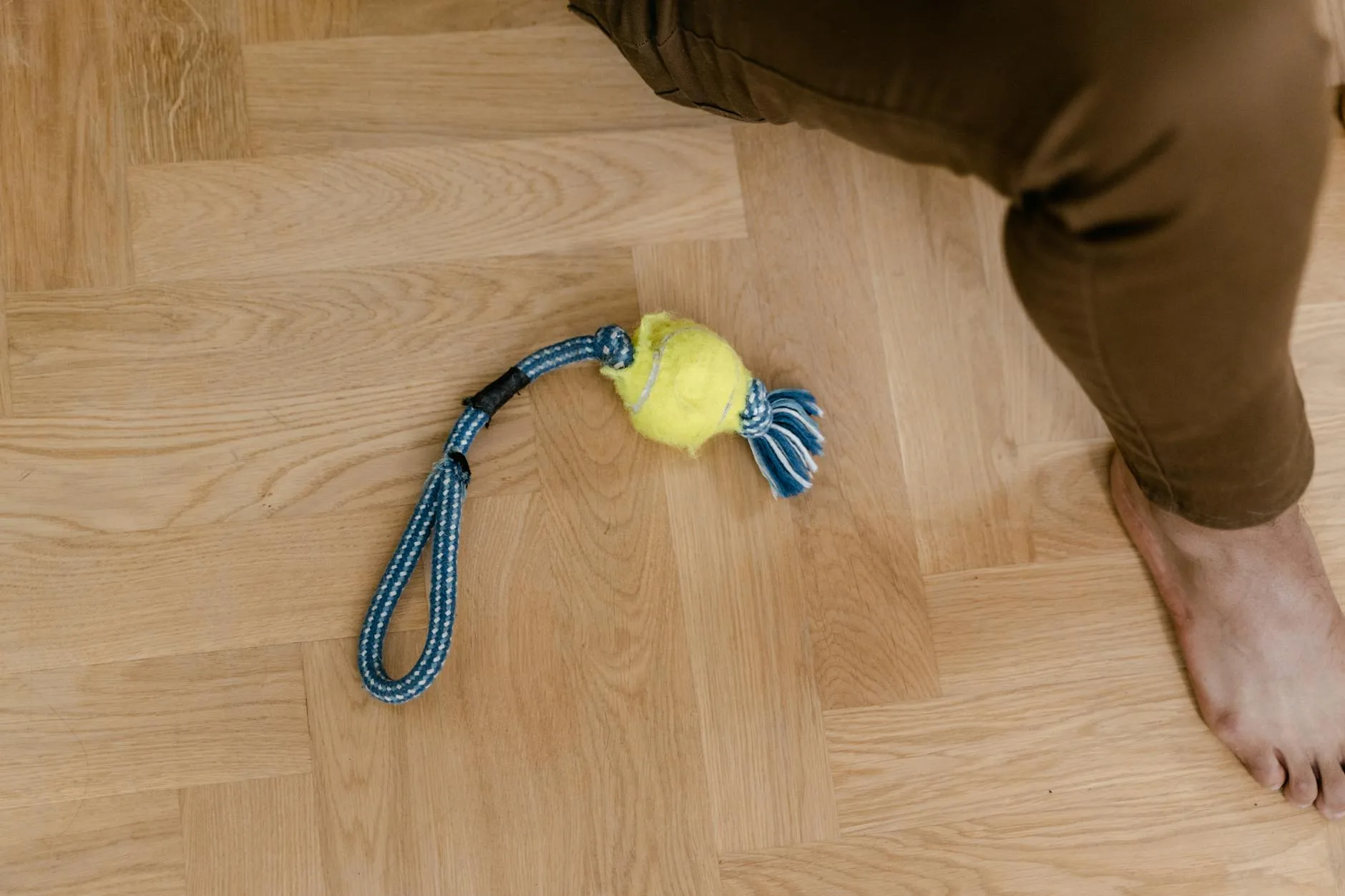
Great for tug-of-war and dental health (the fibres act like floss). The risk: dogs who chew rope toys rather than tug them can ingest long fibres that wrap around intestinal loops. This is called a linear foreign body and it’s a surgical emergency. Use rope toys for supervised tug play only, and inspect them after each session.
Rubber Chew Toys
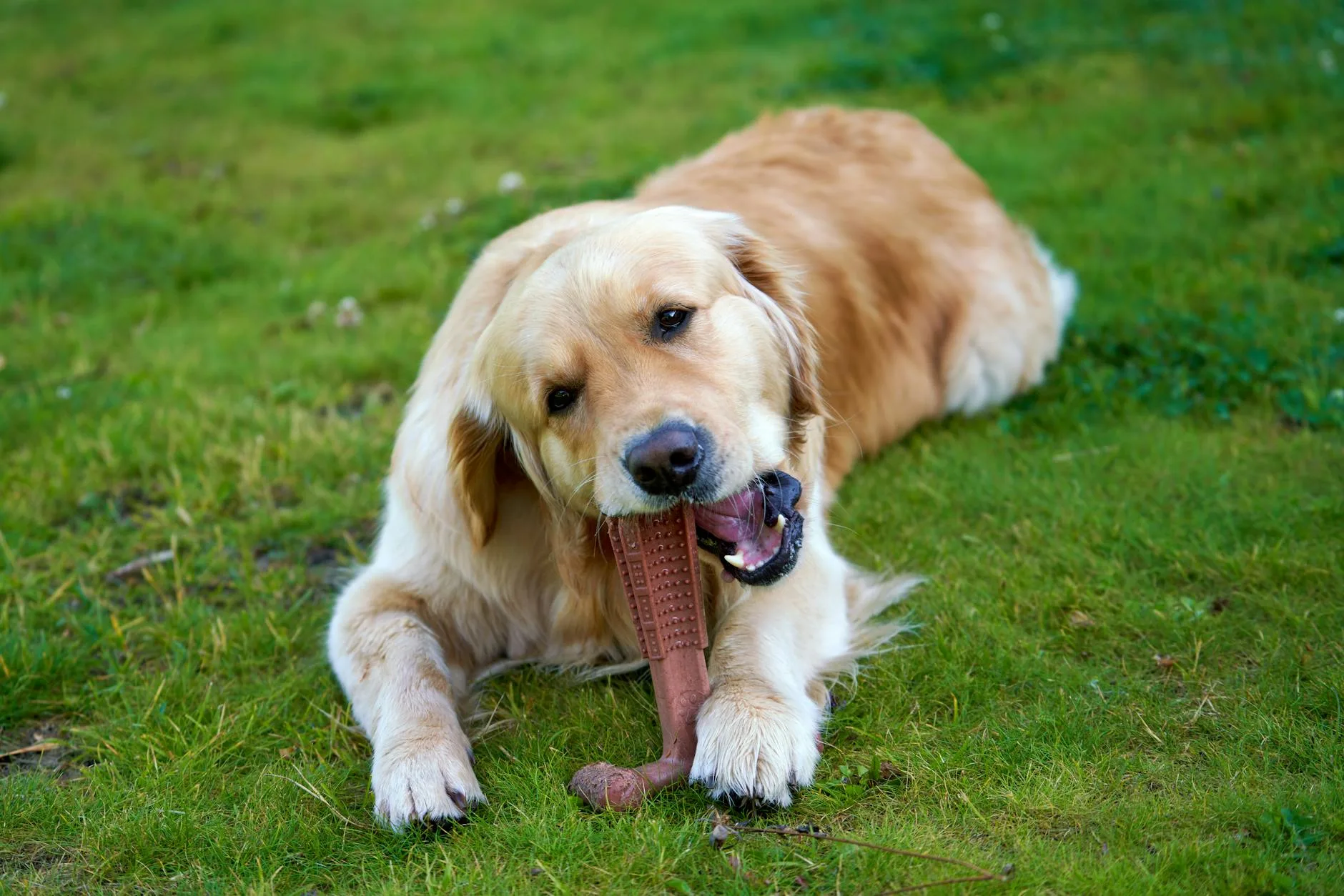
The safest category overall. Kong, West Paw, and Nylabone make toys specifically designed to withstand aggressive chewing. Match the toy to your dog’s chew strength — Kong makes three levels (Classic red for average chewers, Extreme black for power chewers, and Puppy pink/blue for gentler jaws). Our Dog Food for Sensitive Stomachs: What to Look For guide is useful alongside this.
Fetch Toys and Balls
Avoid sticks — they cause more injuries than any other “toy.” Splinters, impalement injuries, and mouth lacerations are common. Use a proper ball or a rubber fetch toy instead. Chuck-it balls are widely available in the UK and come in multiple sizes.
Interactive and Puzzle Toys
Generally very safe because they’re designed for supervised use. The main risk is small removable parts on cheaper versions. Stick to brands like Kong, Nina Ottosson, or Lickimat. I’ve used Nina Ottosson puzzles with three different dogs and never had a safety concern — they’re well designed.
When to Replace a Dog Toy
No toy lasts forever, and a worn toy is more dangerous than no toy at all.
Replacement Triggers
- Visible damage — tears, cracks, missing chunks, exposed stuffing
- Size reduction — a chew toy that’s been gnawed down to a size that fits in the mouth
- Broken squeakers — the squeaker mechanism can be swallowed
- Frayed rope — loose fibres longer than a few centimetres are an ingestion risk
- Colour fading or surface degradation — UV damage weakens materials, making them more likely to crack or shred
- Smell — a persistent bad smell despite washing usually means bacterial buildup in damaged material
Weekly Inspection Habit
Get into the habit of checking every toy once a week. Pick it up, squeeze it, tug any parts, and look for wear. Takes two minutes and catches problems before your dog does. I do this every Sunday when I clean the toy box — it’s become second nature. We cover a similar decision in Best Long Lines for Dogs 2026 UK: Recall Training.
Supervision Guidelines: When to Watch and When to Walk Away
Toys That Need Supervision
- Rope toys — always. The linear foreign body risk is real
- Plush toys for heavy chewers — they’ll rip them open
- New toys you haven’t tested — watch how your dog interacts with it for the first 15-20 minutes
- Tug toys during multi-dog play — resource guarding can escalate
Toys That Are Safe Unsupervised
- Appropriately sized Kong toys — designed for unsupervised chewing, especially when stuffed
- Nylabone chews matched to your dog’s size and chew strength
- West Paw Zogoflex toys — guaranteed against dog damage, BPA-free, dishwasher safe
- Lickimats — flat silicone mats with no detachable parts
The general rule: if the toy can’t be destroyed by your dog, it’s probably safe unsupervised. If there’s any doubt, supervise or remove it.
Age and Breed Considerations
Puppies
Puppy teeth are needle-sharp but weak. Use soft rubber toys and puppy-specific ranges (Kong Puppy, Nylabone Puppy). Avoid hard nylon chews — they can crack baby teeth. Puppies also explore by mouthing everything, so size up rather than down. A toy that’s slightly too big is always safer than one that’s slightly too small.
Senior Dogs
Older dogs often have weakened teeth and gums. Hard chew toys that were fine at age three can crack a tooth at age ten. Switch to softer options — Kong Senior or softer rubber toys that give when squeezed. Watch for signs of dental pain: dropping toys, chewing on one side, or suddenly avoiding toys they used to love.
Power Chewers
Staffies, Pit Bull types, Rottweilers, and other strong-jawed breeds need heavy-duty toys. Standard dog toys last minutes with these dogs. Stick to:
- Kong Extreme (black) — the toughest mainstream option
- West Paw Tux or Toppl — virtually indestructible
- Goughnuts — designed specifically for power chewers. The outer layer reveals a red inner layer when the toy is chewed through, telling you it’s time to replace
Small Breeds
The biggest risk for small dogs is toy size. A toy designed for a Labrador could block a Chihuahua’s entire mouth. Always check the size recommendation on the packaging, and when in doubt, go smaller. Mini versions of popular toys (Kong XS, Nylabone Petite) exist for a reason.
Buying from the Right Places
Where to Buy Safely
- Pets at Home — UK’s largest pet retailer. Their own-brand toys meet UK safety standards, and you can physically inspect before buying
- Amazon UK — convenient but check the seller. Stick to fulfilled-by-Amazon from recognised brands. Third-party marketplace sellers sometimes stock unregulated imports
- Specialist retailers — PetPlanet, Fetch, Zooplus UK. Generally reliable quality
- Vets — some vet practices sell toys. Usually premium brands at premium prices, but guaranteed safe
Red Flags When Shopping Online
- No brand name — just a generic “dog toy” listing with no manufacturer details
- Suspiciously cheap — a rope toy for 99p probably uses dyed synthetic fibres
- No safety information — no mention of materials, no age/size recommendations
- Stock photos only — the product might look nothing like the listing
- Reviews mention chemical smell — see the smell test above
Frequently Asked Questions
Are tennis balls safe for dogs? Standard tennis balls are safe for most medium dogs for fetch. They’re not safe as unsupervised chew toys — the felt covering can be stripped and swallowed, and the rubber can be compressed and lodged in the throat of larger breeds. For big dogs (Labradors and above), use larger balls designed specifically for dogs. Never use balls small enough to fit entirely in your dog’s mouth.
How often should I replace dog toys? Inspect weekly and replace whenever you see damage — tears, cracks, missing pieces, frayed rope, or the toy has been chewed down to a smaller size. Rubber chew toys like Kongs last months to years. Plush toys for heavy chewers might last a single session. There’s no fixed schedule — replace based on condition, not time.
Are squeaky toys safe? Squeaky toys are safe for dogs who carry them and squeak them without trying to destroy them. For dogs who rip toys apart to find the squeaker, they’re a choking hazard. The squeaker itself is typically a small plastic disc that’s the perfect size to block a small dog’s airway. If your dog is a destroyer, skip squeaky toys entirely or use squeaker-free alternatives.
What’s the safest type of dog toy? Appropriately sized natural rubber chew toys from established brands (Kong, West Paw, Nylabone) are the safest overall. They’re designed to withstand chewing without breaking into dangerous pieces, they’re non-toxic, and they come in sizes matched to your dog’s breed and chew strength. Kong Classics stuffed with treats are the closest thing to a universally safe dog toy.
Can dogs be allergic to toy materials? Yes, though it’s uncommon. Latex allergies are the most frequent — some rubber toys contain latex that causes contact dermatitis around the mouth and paws. Synthetic dyes can also trigger reactions. Signs include redness around the mouth, excessive drooling, or reluctance to pick up a specific toy. Switch to undyed natural rubber if you suspect an allergy.