It’s 28°C and climbing. Your Labrador is lying flat on the kitchen tiles, panting like a steam engine, refusing to move. The walk you planned for lunch is looking increasingly reckless, and you’re genuinely unsure whether pouring water on your dog’s back actually helps or just makes everything wetter. Welcome to British summer with a dog — it happens fast, it catches people off guard, and every year vets treat hundreds of dogs for heatstroke that could have been prevented.
Dogs don’t sweat the way we do. Their primary cooling mechanism is panting, which becomes less effective as humidity rises. In the UK, where our summers are getting hotter and more humid, this means even a short walk at the wrong time of day can push a dog into dangerous territory. The good news is that keeping your dog cool isn’t complicated — it just requires adjusting your routine and knowing which signs to watch for.
Why Dogs Overheat Faster Than You Think
Humans have sweat glands across our entire body. Dogs have them only on their paw pads. Everything else relies on panting — rapidly circulating air over the moist surfaces of their tongue, mouth, and upper airways to evaporate moisture and release heat. It’s effective, but it has limits.
Several factors make some dogs more vulnerable than others:
- Brachycephalic breeds (flat-faced dogs like Bulldogs, Pugs, French Bulldogs, and Shih Tzus) — their shortened airways make panting less efficient. These breeds overheat fastest and are massively overrepresented in heatstroke cases
- Double-coated breeds (Huskies, Samoyeds, Malamutes, German Shepherds) — their thick undercoats trap heat. Never shave a double-coated breed in summer — the undercoat actually provides some insulation from heat and protects against sunburn. Brush out loose undercoat instead
- Overweight dogs — excess fat acts as insulation and makes it harder for the body to dissipate heat. One more reason to keep your dog at a healthy weight
- Very young and very old dogs — puppies and seniors regulate temperature less efficiently
- Dark-coated dogs — dark fur absorbs more solar radiation. A black Labrador in direct sun heats up noticeably faster than a yellow one
The dangerous range starts at around 25°C for most dogs, lower for brachycephalic breeds. At 30°C+, which is becoming more common in UK summers, outdoor activity should be severely restricted for all dogs.
Adjusting Your Walking Routine
The single most impactful thing you can do is change when you walk your dog. During hot weather:
Walk early or late. Before 8am and after 7pm are the safest windows during a heatwave. The air temperature drops, but more importantly, pavement and tarmac have had time to cool. A midday walk on a 30°C day isn’t just hot — the tarmac can reach 55-60°C, which burns paw pads on contact.
Use the five-second tarmac test. Press the back of your hand flat against the pavement for five seconds. If it’s too hot for your hand, it’s too hot for your dog’s paws. This applies to tarmac, concrete, artificial grass, and sand. Stick to shaded routes, grass, or earth paths.
Shorten your walks. Your dog doesn’t need a 90-minute hike on a hot day. A 20-minute gentle walk in the shade, plus some mental stimulation at home with appropriate toys, is more than enough. Dogs would rather be comfortable than exercised.
Carry water. Always bring a collapsible bowl and fresh water on walks. Offer it regularly, even if your dog doesn’t seem thirsty. Don’t let them drink from puddles or standing water in hot weather — it can harbour bacteria that thrive in warm conditions. For a related angle, see our Dog Food Storage: How to Keep Kibble Fresh guide.
Watch for early signs of distress. Heavy panting, drooling, stumbling, red gums, or reluctance to continue walking — if you see any of these, stop immediately, move to shade, and offer water. If symptoms don’t improve within five minutes, contact your vet urgently.
Cooling Your Dog at Home
Your home is where your dog spends most of the day, and it’s where you have the most control over their comfort:
Create cool zones. Tile and stone floors are naturally cooler than carpet — most dogs will find these on their own. If your house is carpeted throughout, consider placing a cooling mat in your dog’s favourite spot. Gel-based cooling mats (about £15-30 from Pets at Home or Amazon UK) activate with pressure and stay cool for several hours without refrigeration.
Improve air circulation. A fan pointed at floor level near your dog’s bed makes a big difference. Dogs lying on the floor are below the warm air that rises, so a fan at their level pushes cooler air across them. Don’t rely on a fan alone in extreme heat — it moves air but doesn’t actually lower the temperature. Our Best Cat Litter 2026 UK: Clumping, Crystal & Wood Pellet guide is useful alongside this.
Offer frozen treats. Freeze Kong toys stuffed with peanut butter, banana, or dog-safe broth. Frozen carrot sticks, ice cubes with treats frozen inside, and frozen watermelon chunks (seedless, no rind) all give your dog something to work on while cooling from the inside. Avoid giving huge amounts of ice-cold water at once — small amounts frequently is better.
Damp towels — with a caveat. A damp, cool towel draped over your dog can help initially. But towels insulate as they warm up, so remove them after 10-15 minutes. A better approach is to wet your dog’s paw pads, belly, and inner thighs with cool (not ice-cold) water. These are areas where blood vessels run close to the surface, so cooling them brings down core temperature more efficiently.
Paddling pools. A cheap children’s paddling pool in the garden (rigid plastic, about £10-15 from Argos) gives dogs a way to self-regulate. Many dogs love standing in cool water, and even reluctant paddlers will often lie down in an inch of water. Empty and refill daily to prevent algae and mosquito breeding. For independent guidance, check PDSA pet advice.
Never leave dogs in cars. This is worth repeating every summer because people still do it. A car at 22°C outside reaches 47°C inside within an hour. Even with windows cracked, the temperature rises fatally fast. Dogs die in hot cars every year in the UK. If you see a dog in distress in a car, call 999 — the RSPCA recommends this as an emergency.
Recognising Heatstroke: The Signs That Matter
Heatstroke in dogs escalates quickly. Knowing the progression can save your dog’s life:
Early signs (act now):
- Excessive panting — faster and heavier than normal
- Drooling more than usual, saliva may be thick or sticky
- Bright red gums and tongue
- Restlessness or pacing
- Seeking shade or cool surfaces urgently
Moderate signs (veterinary attention needed):
- Vomiting or diarrhoea
- Stumbling or uncoordinated movement
- Glazed eyes
- Rapid heartbeat you can feel through the chest
- Lethargy or confusion — not responding to their name
Severe signs (emergency — go to the vet immediately):
- Collapse
- Seizures
- Blue or grey gums (this means oxygen deprivation)
- Loss of consciousness
What to do while getting to the vet:
- Move your dog to shade or a cool room immediately
- Apply cool (not cold or iced) water to their body, focusing on paw pads, groin, and armpits
- Place damp towels on them but replace every few minutes as they warm up
- Offer small sips of cool water if they’re conscious and willing to drink
- Do NOT pour ice water on them or immerse them in cold water — this causes blood vessels to constrict, trapping heat inside and making things worse
- Drive to the vet with windows down and air conditioning on
The UK Kennel Club reports that flat-faced breeds account for a disproportionate number of heatstroke fatalities. If you own a Bulldog, Pug, or French Bulldog, your threshold for concern should be lower — start precautions from about 20°C rather than 25°C.
Summer Products Worth Considering
A few products really help, while others are more gimmick than substance:
Worth buying:
- Cooling mats — pressure-activated gel mats from brands like Pecute or Arf Pets work well. Around £15-30 from Amazon UK or Pets at Home. No freezing or electricity needed
- Portable water bottles with bowls — the ones with an integrated trough cost about £8-12 and mean you always have water available on walks. Trixie and Petkit make good ones
- Elevated dog beds — raised mesh beds (about £20-40) allow air to circulate underneath your dog. Coolaroo and Amazon basics both make decent versions. Much cooler than lying on a flat bed or carpet
- Sun cream for dogs — yes, this exists. Dogs with pink skin, white fur, or thin coats (especially on noses and ear tips) can sunburn. Use a pet-specific sun cream — human sunscreen contains zinc oxide which is toxic to dogs
Not worth the hype:
- Cooling vests — they work but need constant re-wetting to be effective. Most owners find them more hassle than they’re worth
- Dog ice cream — fine as an occasional treat but expensive for what it is. A frozen Kong with banana and peanut butter does the same job for a fraction of the cost
- Misting systems — unless you live somewhere consistently hot (unlikely in the UK), these are overkill and most dogs find the mist annoying
Garden Safety in Hot Weather
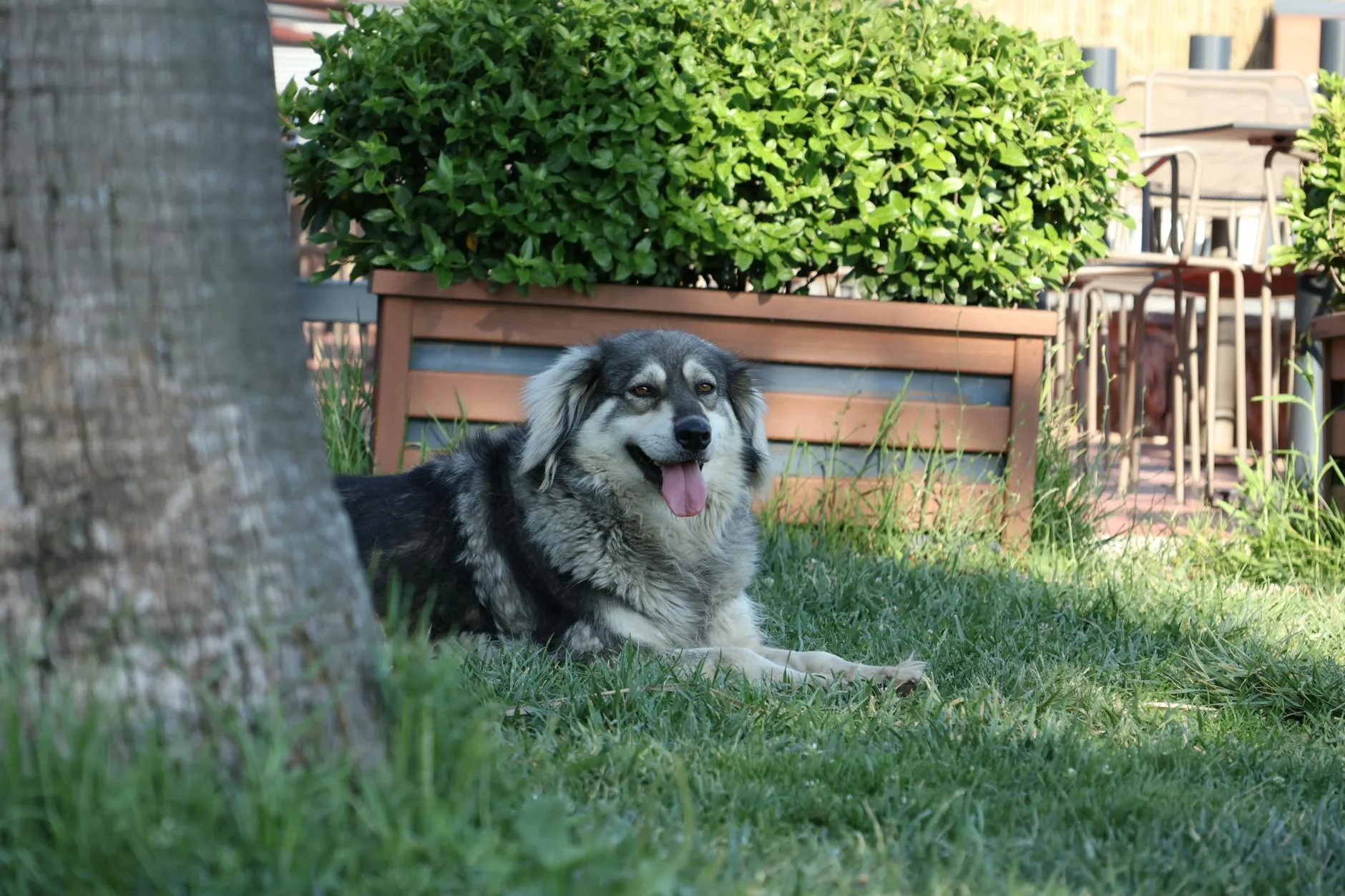
Your garden needs a summer audit if your dog spends time outside:
- Check fencing — dogs escape more in summer, whether chasing wildlife, seeking shade elsewhere, or just being restless. Walk the perimeter and fix any gaps
- Provide shade — not all gardens have natural shade. A pop-up gazebo or shade sail (£25-50 from B&Q or Amazon UK) provides relief if your garden is sun-exposed
- Fresh water available at all times — place multiple water bowls around the garden and refresh them regularly. Water in direct sun gets warm quickly, so position bowls in shade
- Watch for toxic plants — many common UK garden plants are toxic to dogs, including foxgloves, rhododendrons, yew, and lilies. Hot weather doesn’t change this, but dogs exploring the garden more in summer increases the risk
- Avoid slug pellets — metaldehyde-based slug pellets are extremely toxic to dogs. If you need slug control, use pet-safe alternatives (ferric phosphate based) or beer traps
- BBQ safety — cooked bones, corn cobs, skewers, and fatty scraps are all common emergency vet visits during summer BBQ season. Keep your dog away from the grill area and brief any guests about not feeding the dog from their plates
Swimming Safety
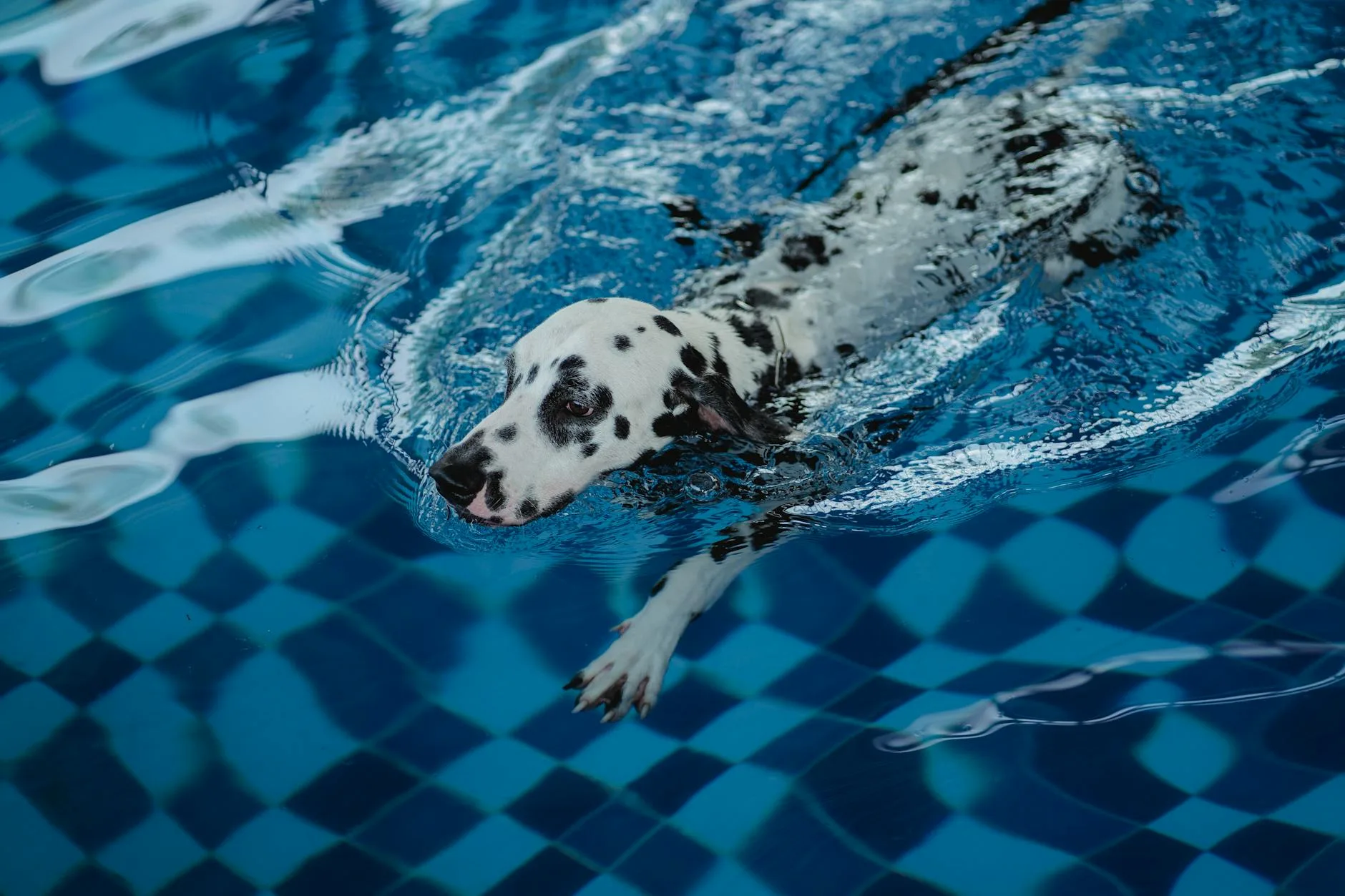
Many dogs love swimming, and it’s an excellent way to cool down. But a few precautions keep it safe:
- Not all dogs can swim — breeds with heavy chests, short legs, or flat faces (Bulldogs, Dachshunds, Basset Hounds) are poor swimmers. Never assume your dog can swim without testing in shallow water first
- River and canal safety — currents are deceptive. Blue-green algae (cyanobacteria) is a real risk in UK waterways during summer and can be fatal to dogs within hours of exposure. Avoid stagnant or green-tinged water entirely
- Sea swimming — saltwater ingestion causes vomiting, diarrhoea, and dehydration. Limit beach sessions and rinse your dog with fresh water afterwards. Watch for strong currents and tides
- Pool safety — if you have a garden pool, ensure your dog can get out independently. Consider a life jacket for dogs if they’re around deep water frequently
- Dry ears after swimming — moisture trapped in ear canals leads to infections, especially in floppy-eared breeds. Gently dry the outer ear with a towel after any swim
Cooling off near water needs the same common sense as shade and hydration. If your dog swims, our guide to choosing a dog life jacket covers fit, buoyancy and when one is worth using.
Frequently Asked Questions
At what temperature should I stop walking my dog? Most dogs are comfortable up to about 25°C. Above 25°C, switch to early morning and evening walks only. Above 30°C, limit walks to essential toilet breaks and keep them short. Brachycephalic breeds (Bulldogs, Pugs, French Bulldogs) need caution from 20°C upwards. Always do the five-second pavement test before any walk.
Can I shave my dog’s coat in summer to keep them cool? For single-coated breeds (Poodles, Yorkshire Terriers, Maltese), a trim can help. For double-coated breeds (Huskies, German Shepherds, Golden Retrievers), never shave — the undercoat actually provides some insulation from heat and protects against sunburn. Instead, brush out loose undercoat regularly with a deshedding tool.
Is it safe to give my dog ice cubes? Yes. The myth that ice cubes cause bloat in dogs has been debunked by veterinary professionals. Ice cubes are a safe, cheap way to keep your dog cool. You can add them to their water bowl or offer them as treats. Just avoid giving a huge amount at once — small quantities are fine.
How do I know if the pavement is too hot for my dog? Place the back of your hand flat on the pavement and hold it for five seconds. If it’s too hot for your hand, it’s too hot for your dog’s paws. Tarmac can reach 55-60°C when the air temperature is only 30°C. Walk on grass, earth, or shaded paths instead.
What should I do if my dog has heatstroke? Move them to shade immediately. Apply cool (not cold) water to their body, focusing on paw pads, groin, and armpits. Offer small sips of water. Do not use ice or ice-cold water as this can worsen the situation. Get to a vet urgently — heatstroke can be fatal without professional treatment.